Principal Classifications
Special trucks are categorised in several overlapping ways.
By Structural Configuration (six major classes):
Box-type vehicles: Independent fully enclosed bodies for specialised cargo or equipment.
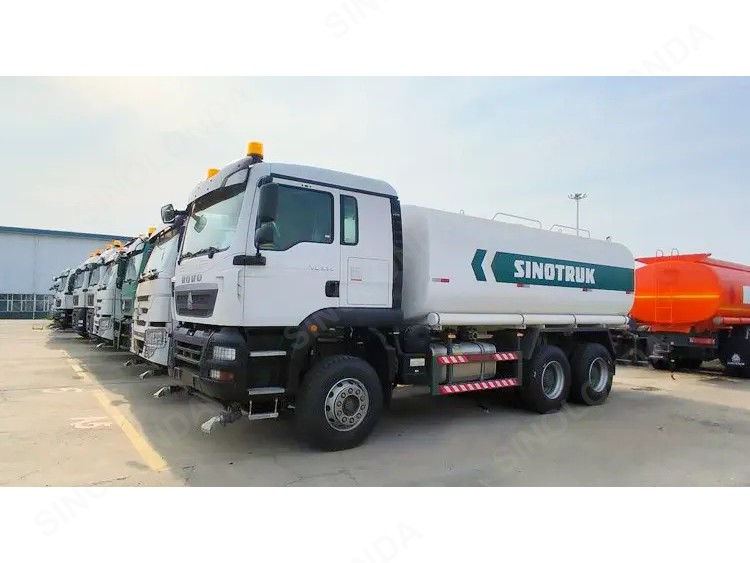
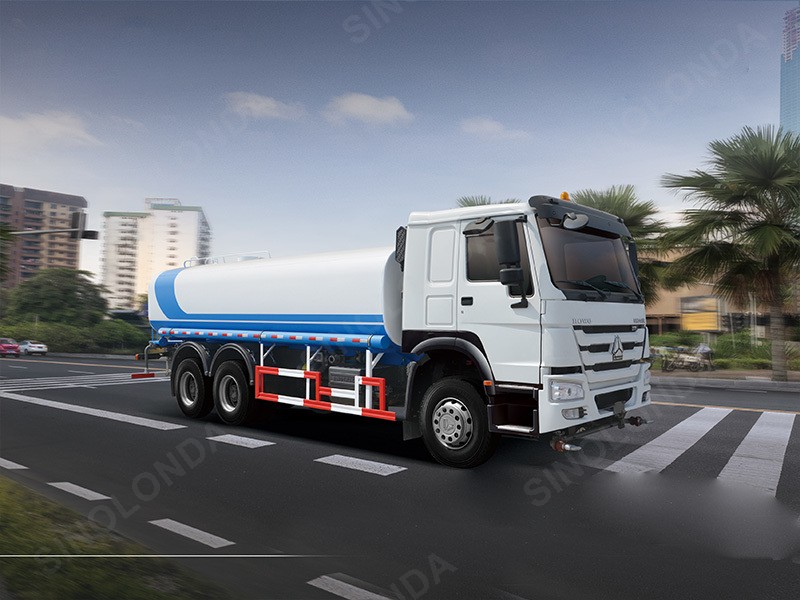
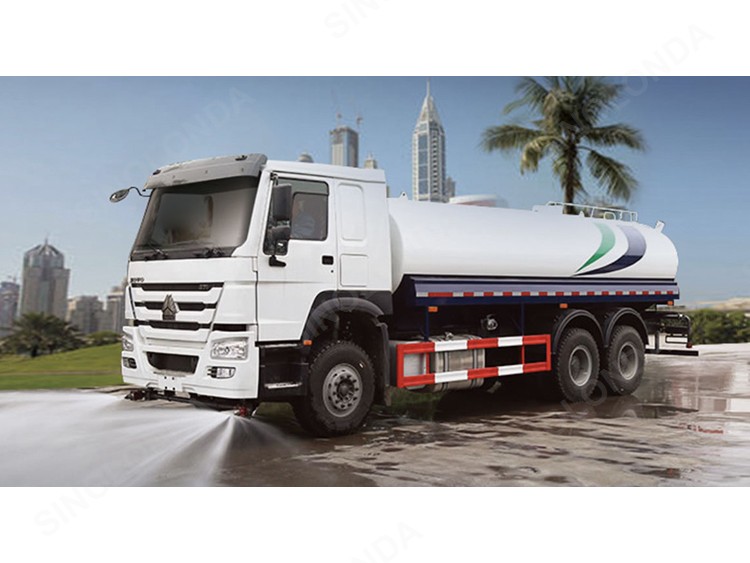
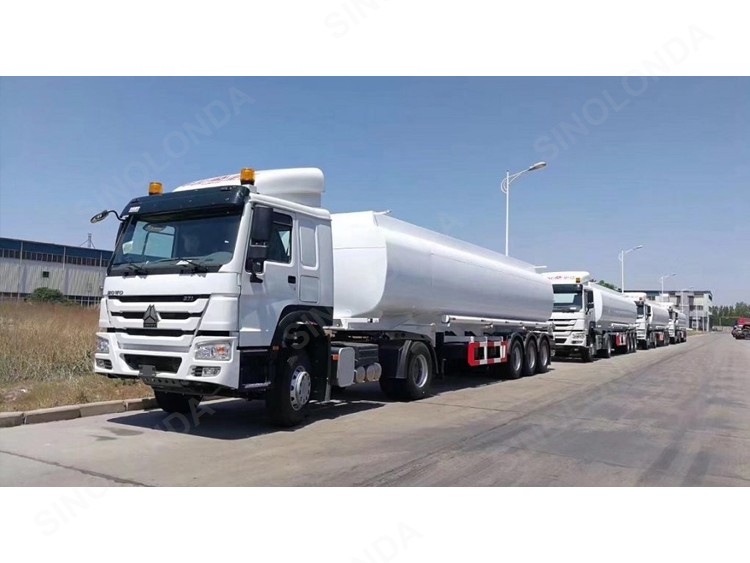
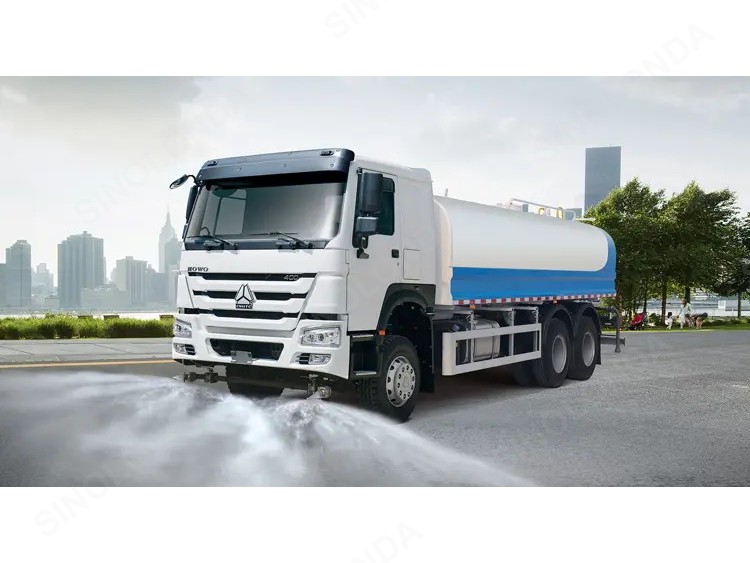
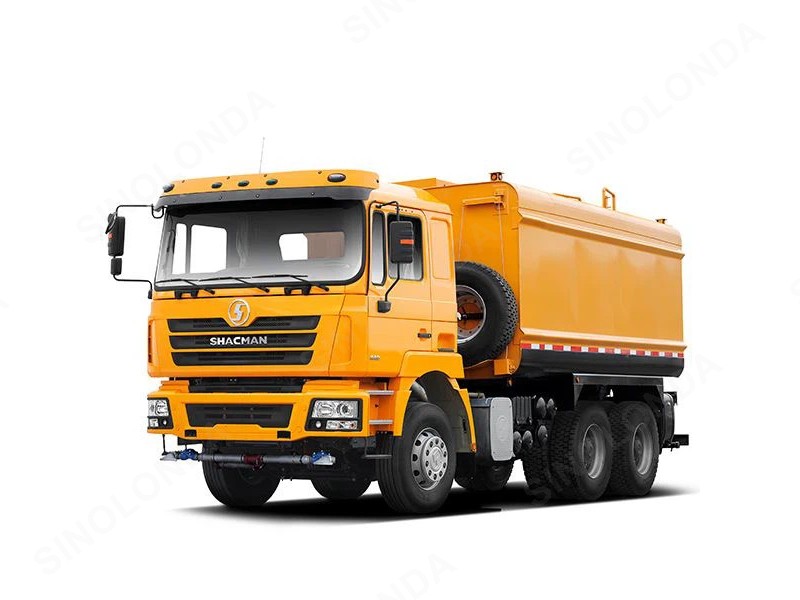
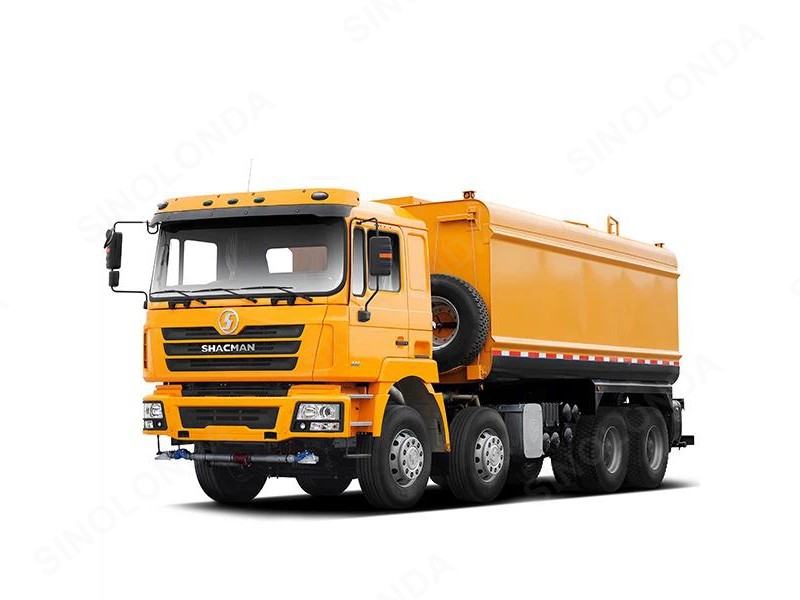
Tankers: Cylindrical or shaped vessels for liquids, gases, or powders.
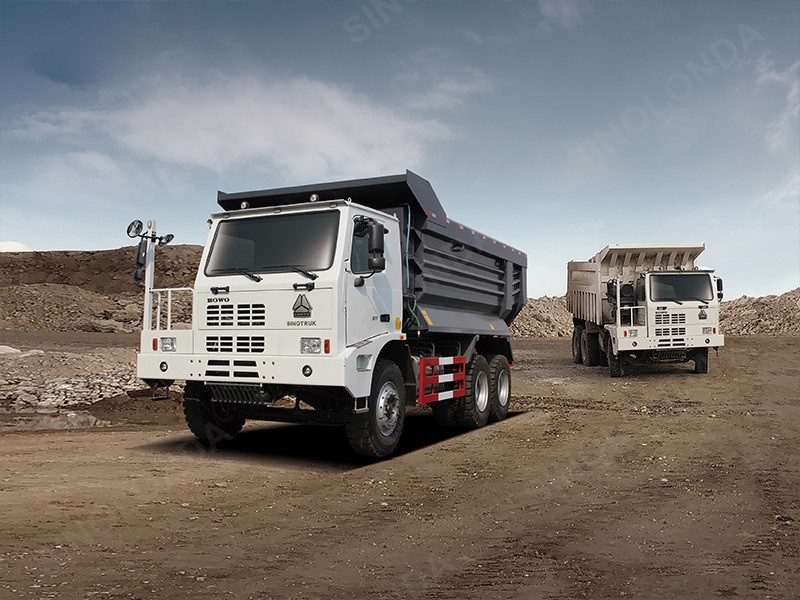
Specialised tippers/dump trucks: Equipped with hydraulic tipping systems for bulk materials.
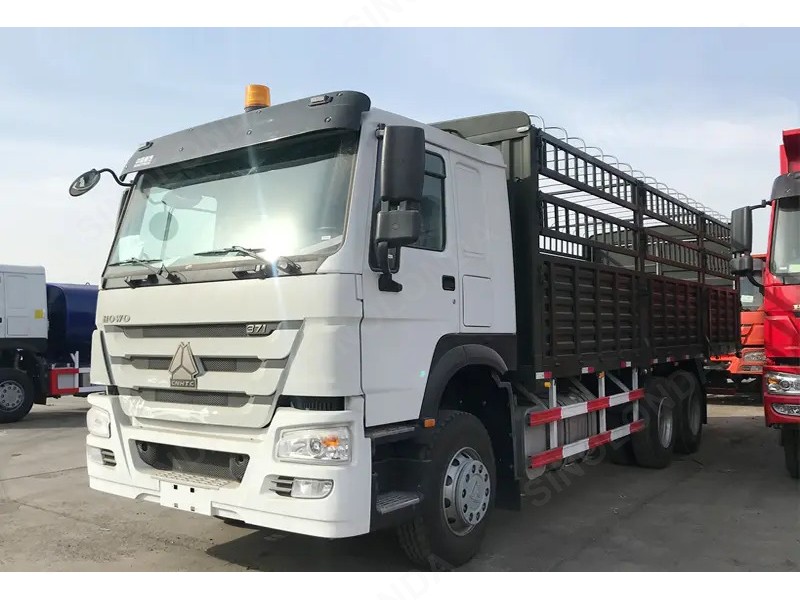
Stake trucks: Cage or slatted side-railed cargo beds.
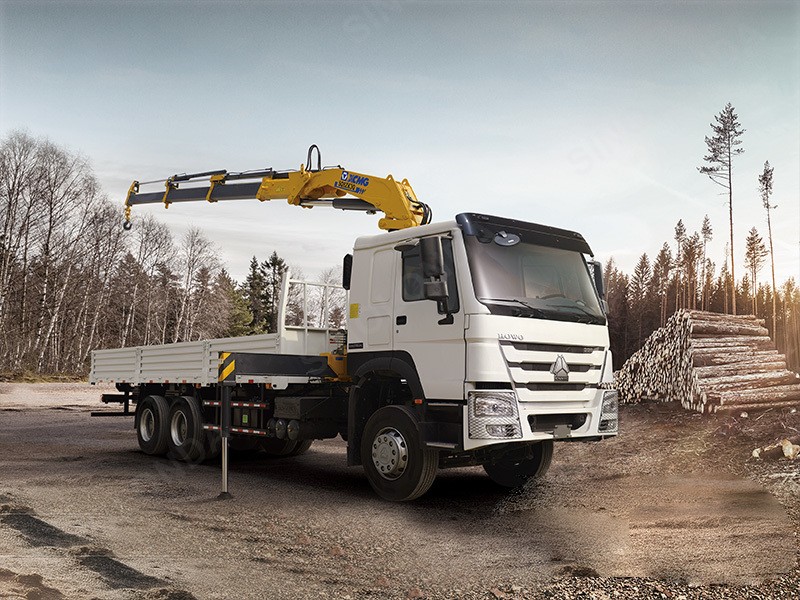
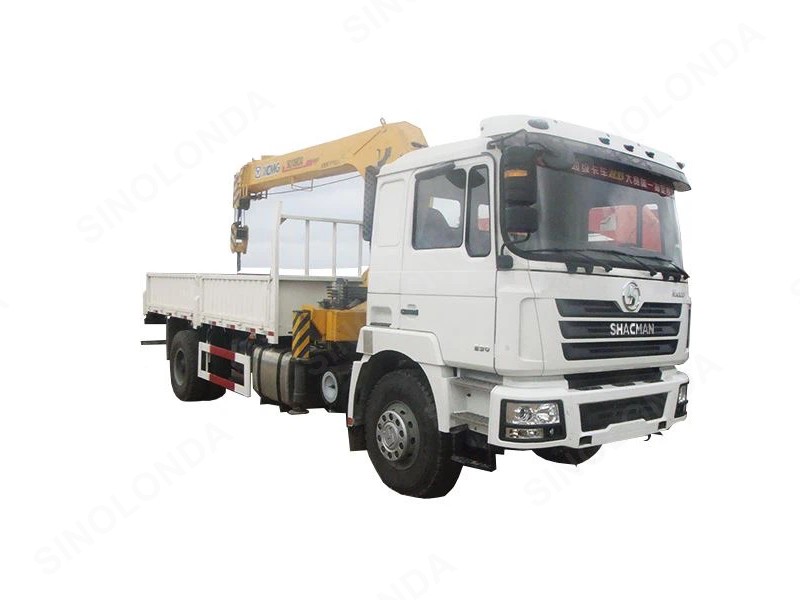
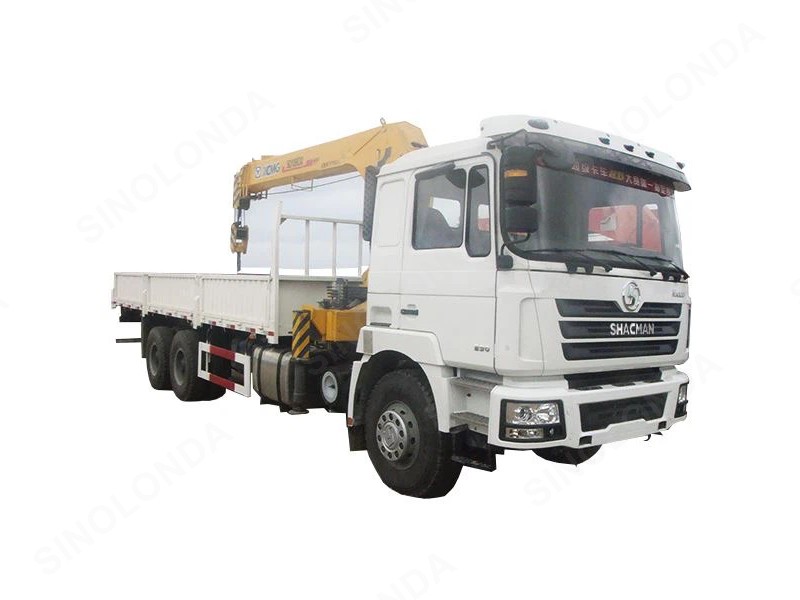
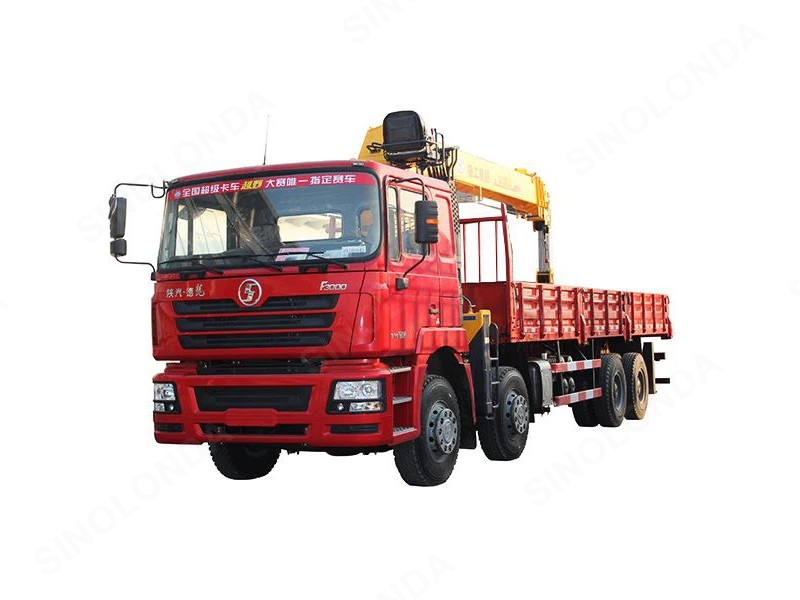
Hoisting and access platform vehicles: Crane booms or elevating work platforms (skylifts).
Special-structure vehicles: Bespoke frameworks such as truss or low-loader flatbed designs.
By Operational Application (common examples):
Recovery and towing: Tow trucks / wreckers for disabled or improperly parked vehicles.
Lifting: Crane trucks with permanently mounted lifting apparatus.
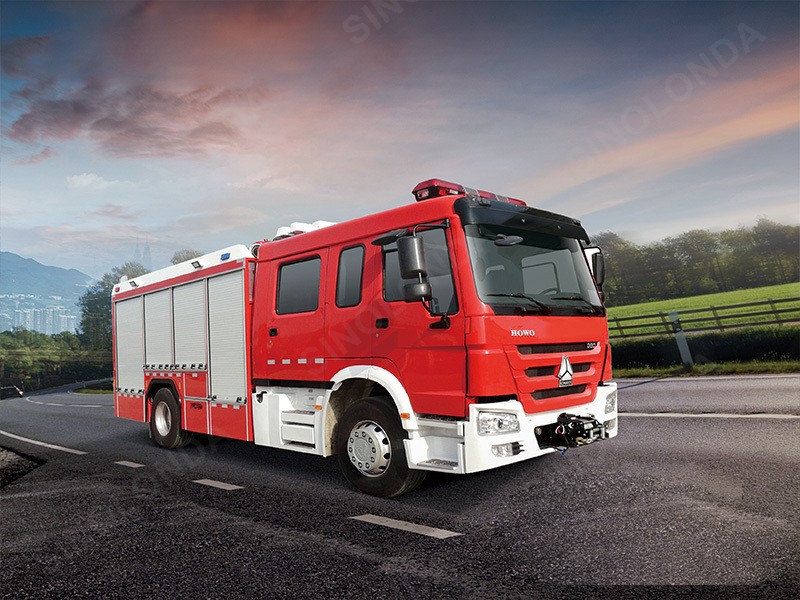
Emergency response: Fire fighting vehicles, including tank fire-fighting and aerial rescue platform variants.
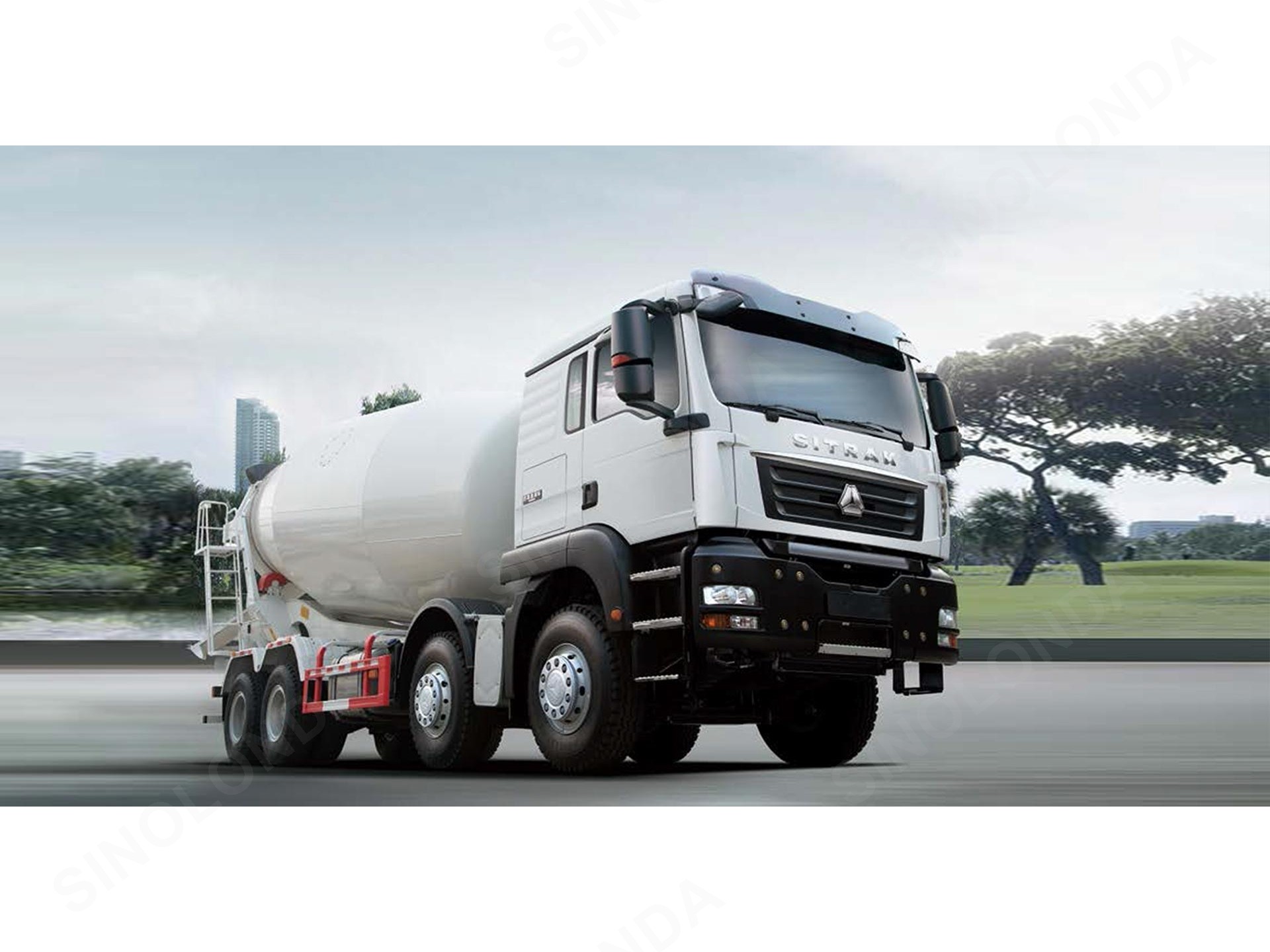
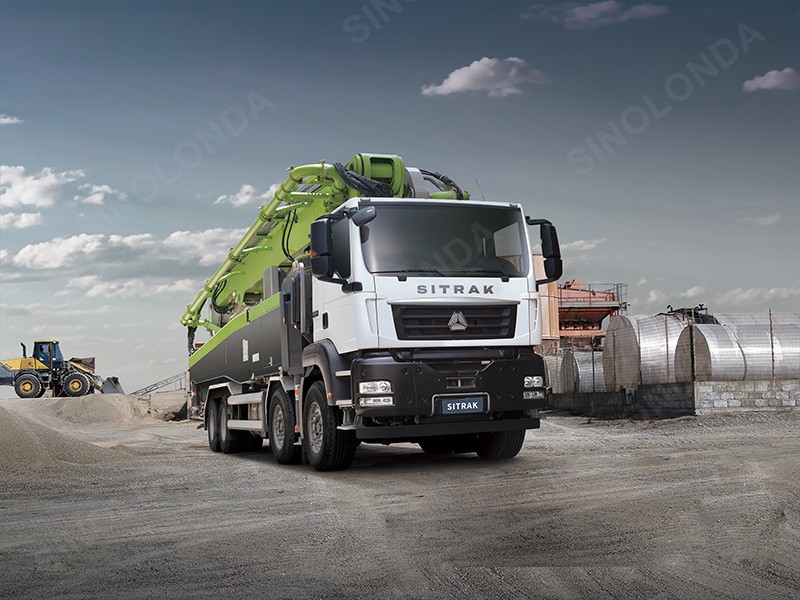
Construction: Concrete mixer trucks with rotating drum mixers; concrete pumps.
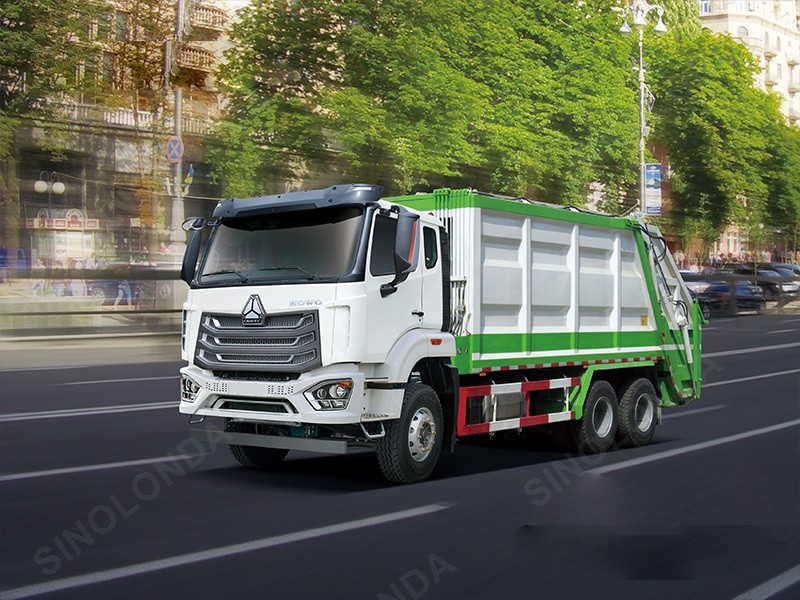
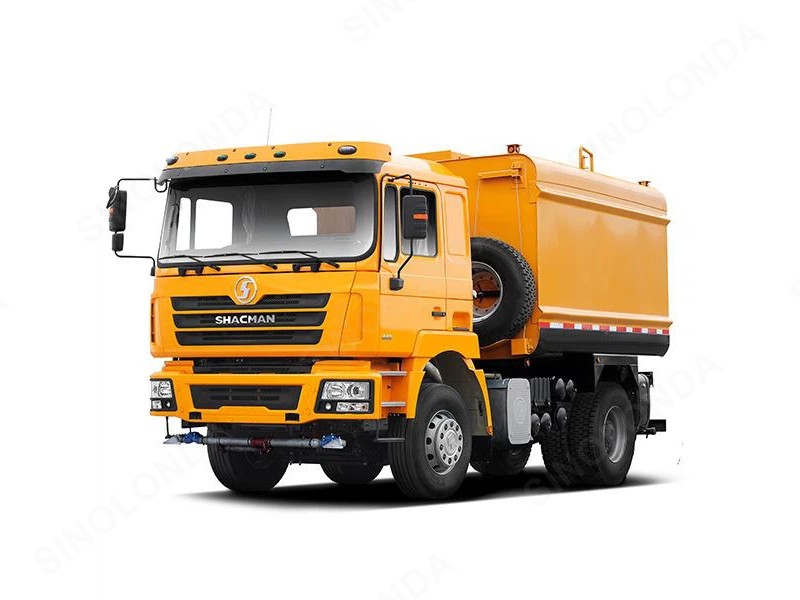
Municipal services: Road sweepers, snow blowers, and refuse collection vehicles.
Specialised transport & field support: Mobile workshops, medical complexes, and broadcasting vehicles.
Principal Application Domains
Special trucks are the enabling machinery of sectors that require mobility combined with a specific operational capability.
Construction and Infrastructure: Concrete mixers, pumps, and crane trucks form the mobile plant backbone of building and civil engineering projects.
Firefighting and Rescue: Beyond simple transport, these vehicles function as pumping stations, aerial ladders, and technical rescue platforms, often built on chassis capable of extreme off-road access.
Municipal Sanitation and Public Works: Sweepers, flushers, and snow-clearing equipment keep urban environments functional and safe.
Healthcare and Field Operations: Mobile clinics, medical complexes, and mobile laboratories extend diagnostic and treatment capability to remote or emergency locations.
Logistics Support and Recovery: Tow trucks and mobile workshops sustain the operational continuity of other vehicle fleets.
In essence, a special truck is defined not by what it carries, but by what it does—a purpose-engineered machine that brings industrial, emergency, or clinical capability directly to the point of need.