Core Structure And Working Features
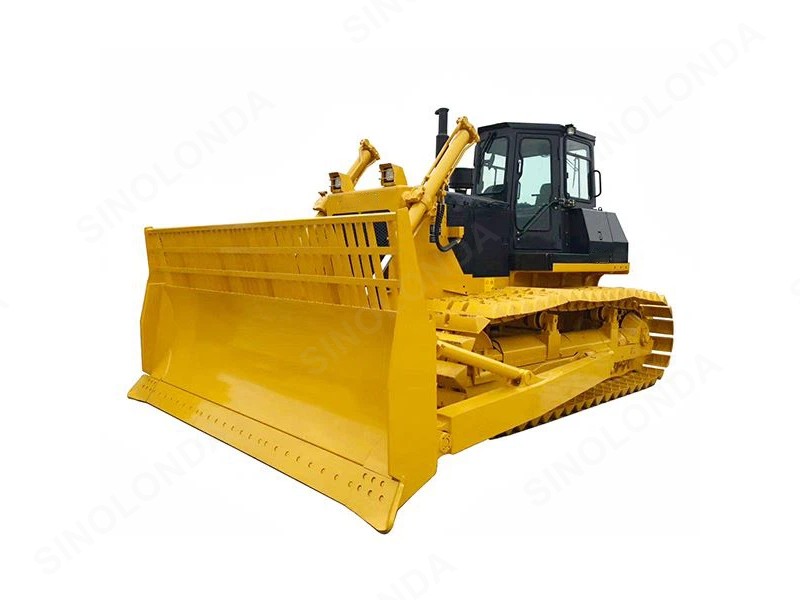
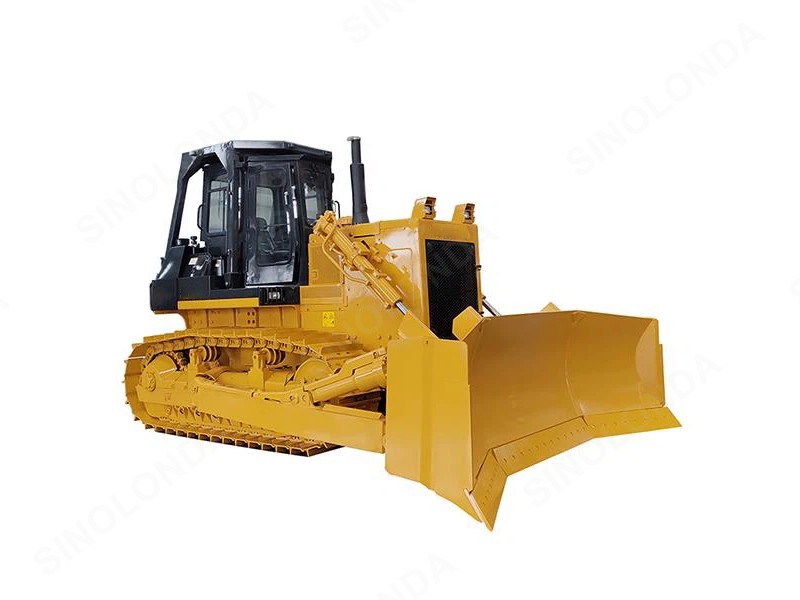
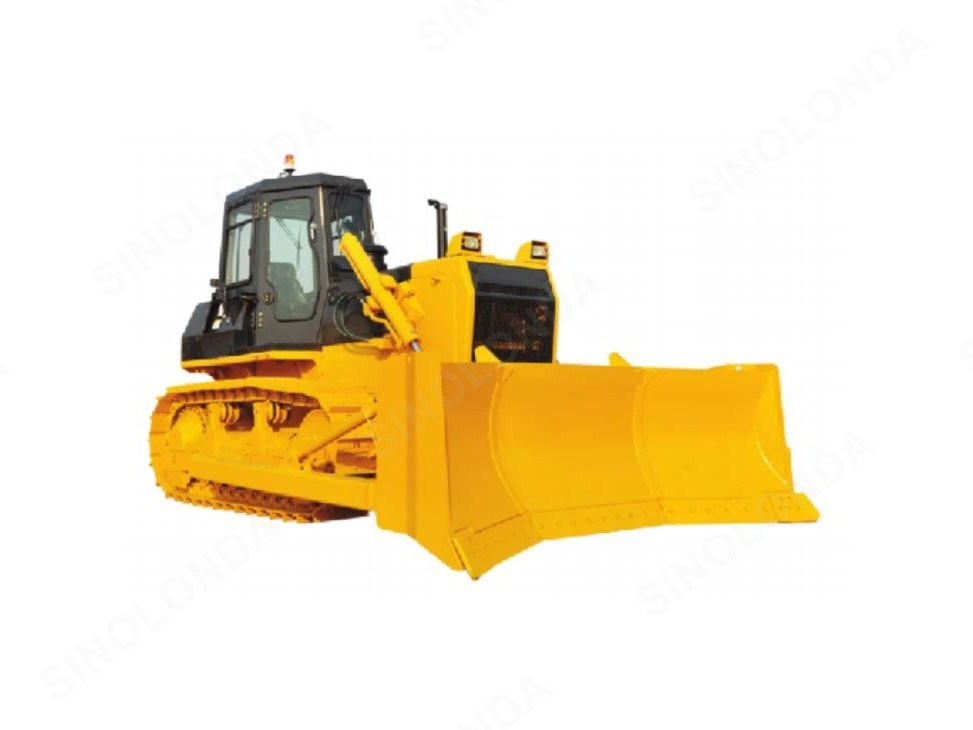
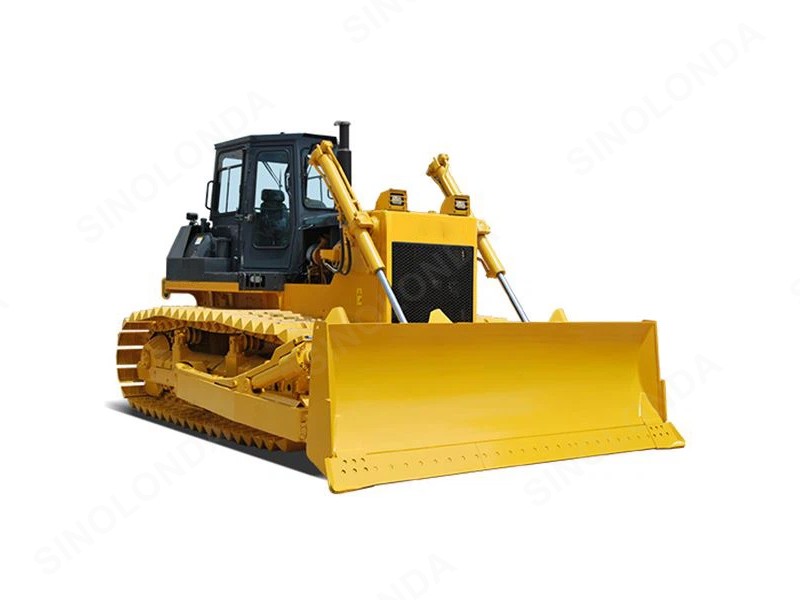
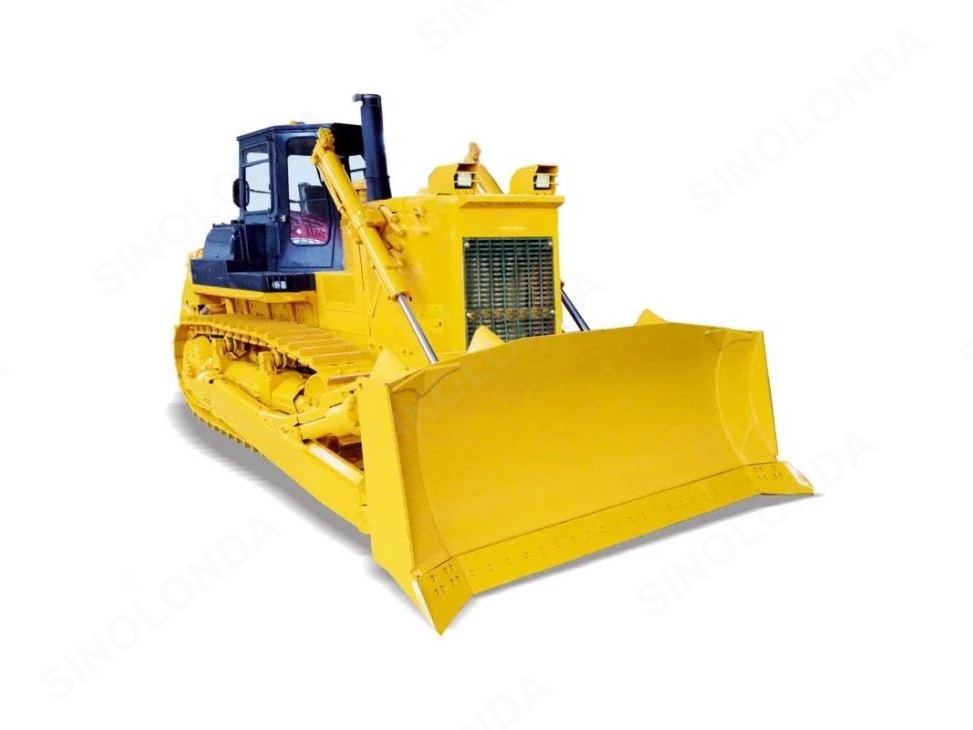
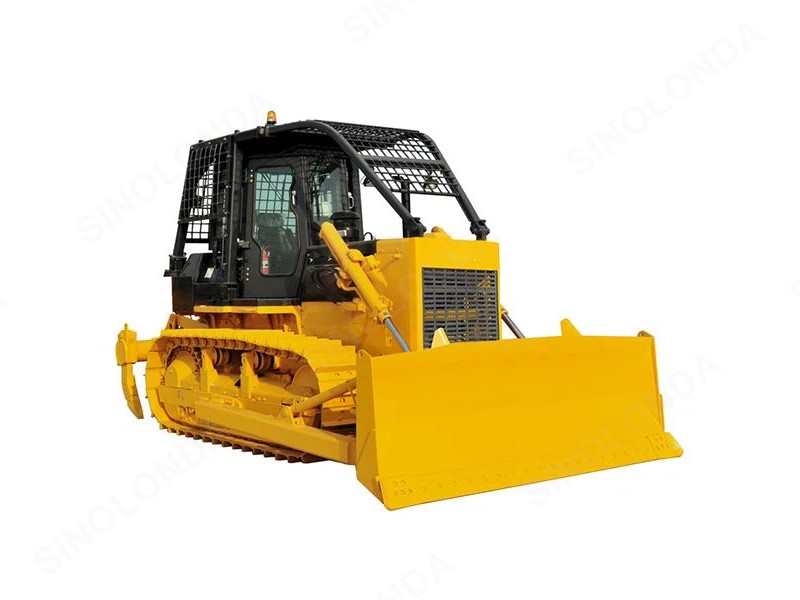
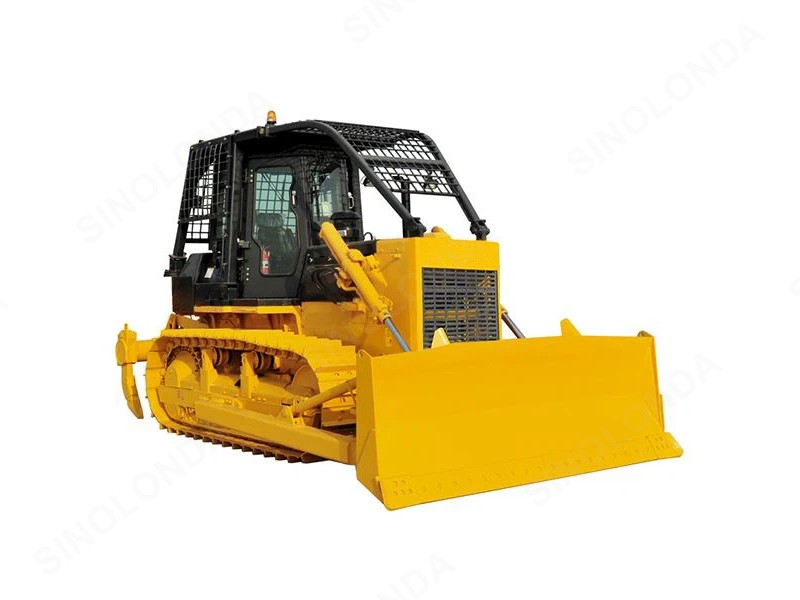
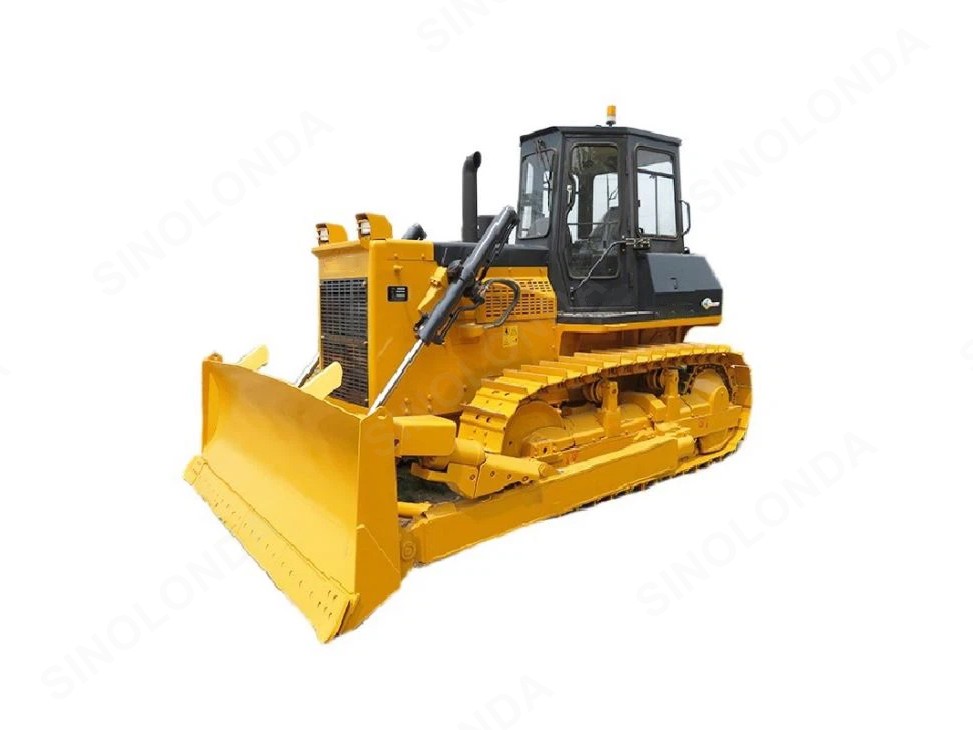
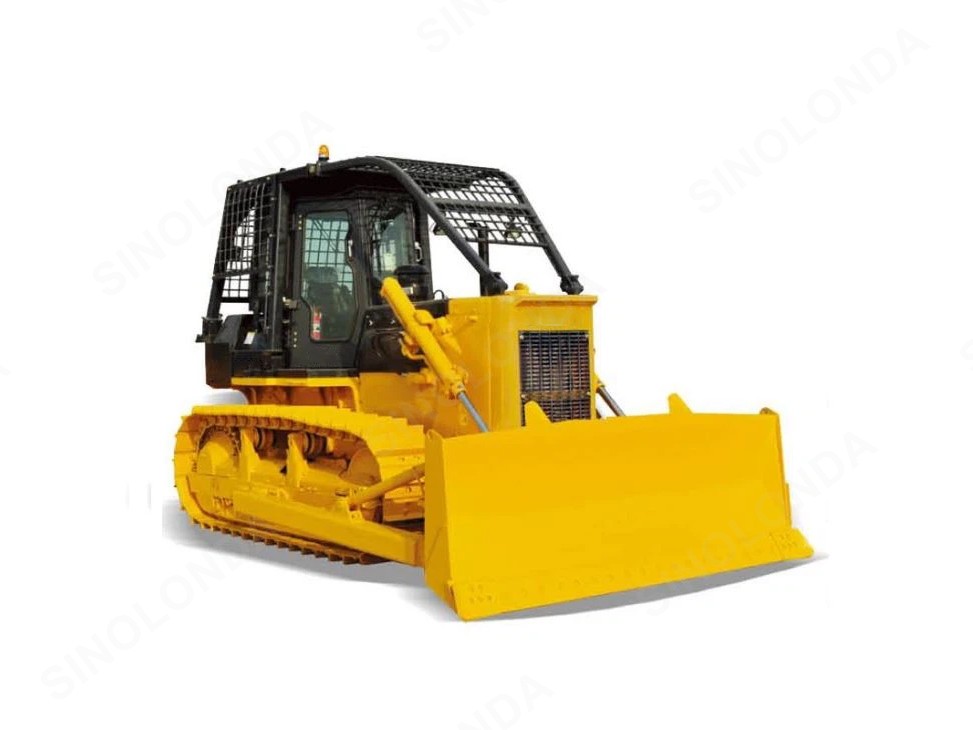
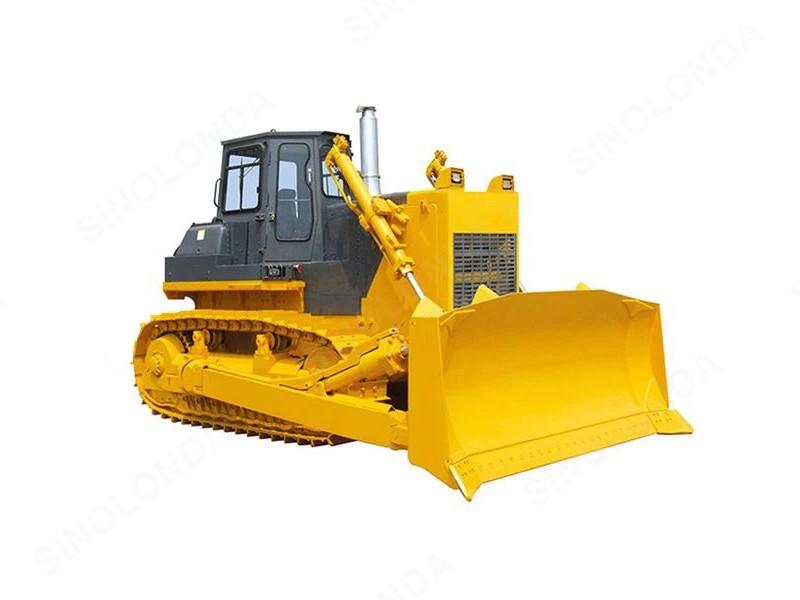
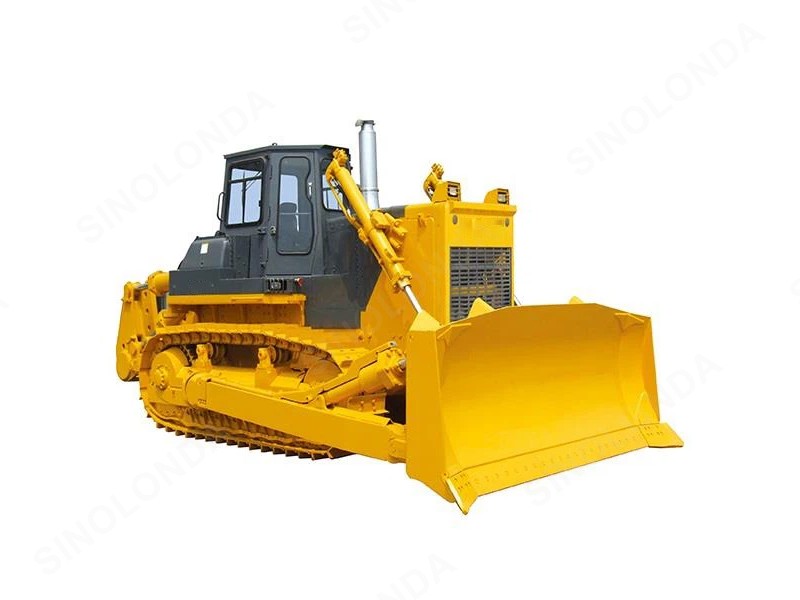
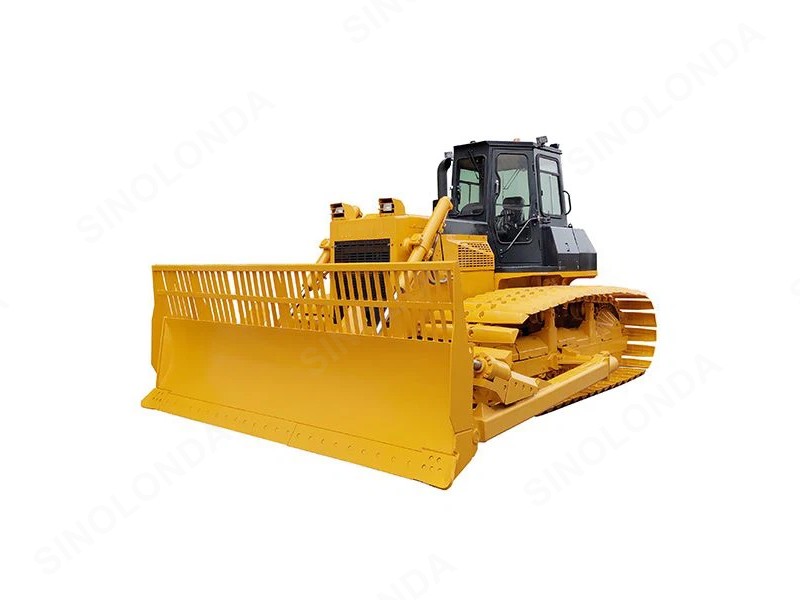
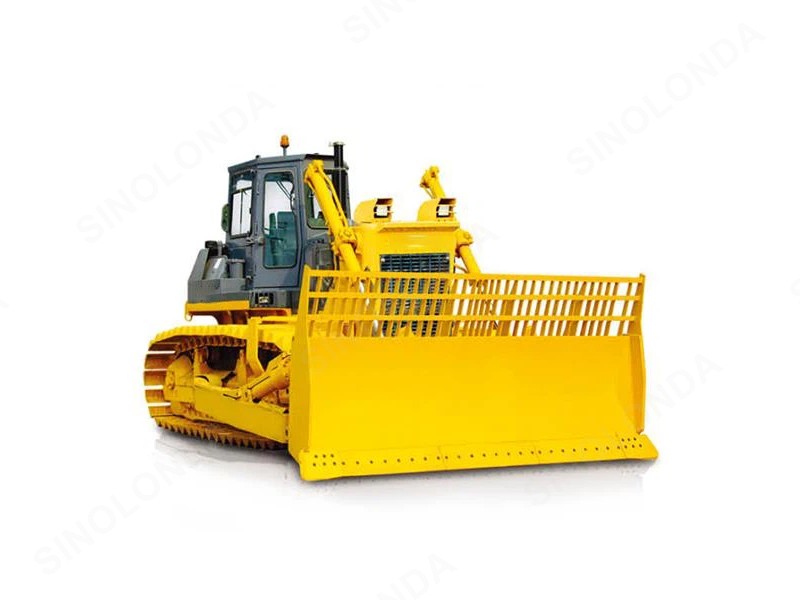
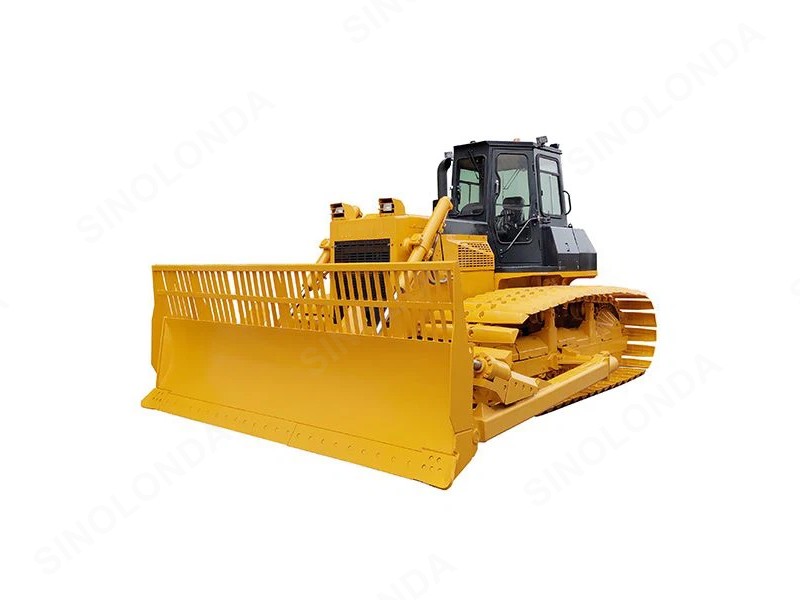
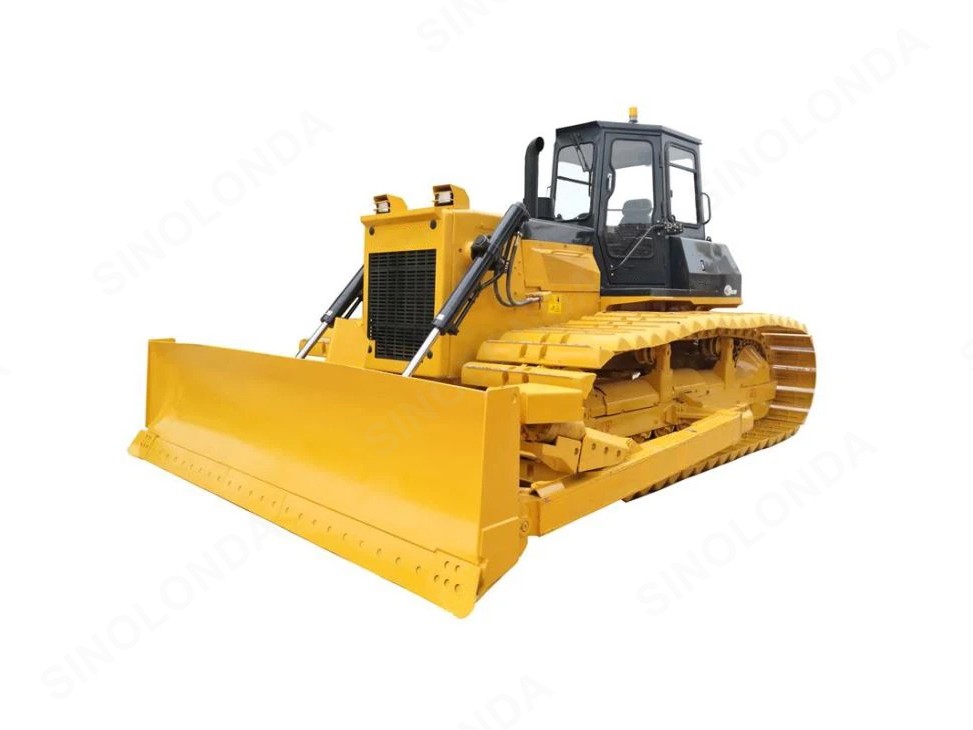
The most iconic component of a bulldozer is the large, curved, high-strength steel blade mounted at the front of the chassis, driven by robust hydraulic rams that allow precise control over lifting, lowering, and tilting. When the blade is held below ground level, the machine can perform shallow digging and ditching; at surface level, it pushes and transports loose soil, rock, and debris over short distances efficiently; and when raised above the ground, it spreads and levels dumped material evenly across the worksite. Most heavy-duty models use continuous metal crawler tracks instead of wheels, which distribute the machine's enormous weight across a larger contact area, preventing it from sinking into soft ground while delivering far greater traction than wheeled vehicles.
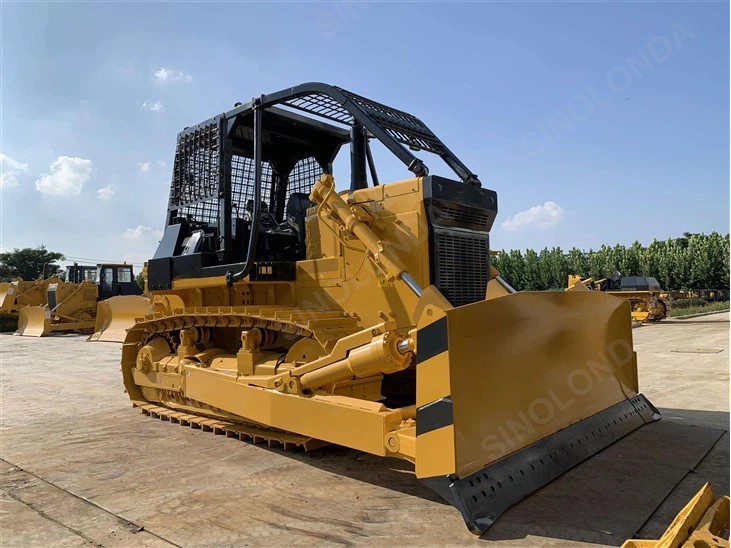
Modern generation bulldozers have evolved significantly in both intelligence and efficiency. Leading models feature advanced hydrostatic transmission systems, real-time load-sensing power distribution, and integrated GPS grade control that automatically adjusts blade height to achieve centimeter-level grading accuracy. This eliminates the need for repeated manual surveying, cuts overall operation time by more than 30%, and drastically reduces operator fatigue during long shifts. Many units also support modular attachment swaps, adding rear rippers for breaking hard rock and compacted soil, U-blades for pushing larger volumes of loose material, or winch systems for forestry land clearing.
Main Application Scenarios
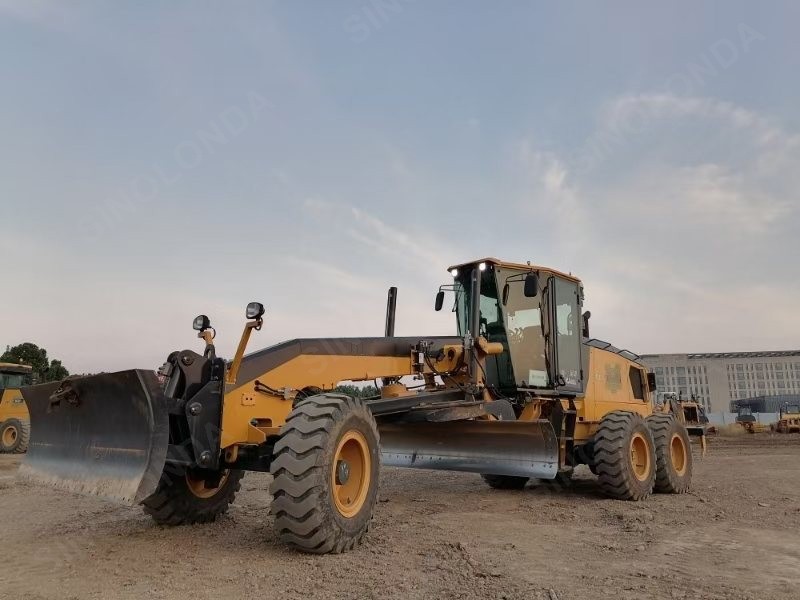
Bulldozers are indispensable across a wide range of heavy industrial operations. In open-pit mining and quarry sites, they push overburden, level working benches, and clear haul roads to maintain smooth mine operations. At large infrastructure projects such as road building, dam construction, and airport expansion, they perform rough grading, site clearing, and large-area earthmoving work that no other machine can match in speed and consistency. In extreme environments including tundra, desert, and high-altitude frozen zones, their reliable low-ground-pressure performance makes them the primary machine for opening access routes and preparing construction sites.