Core Structure And Working Principles
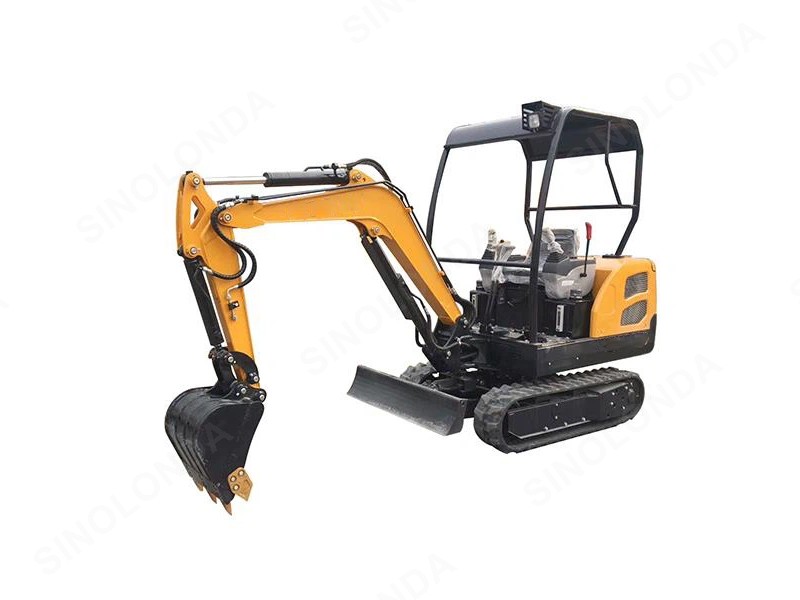
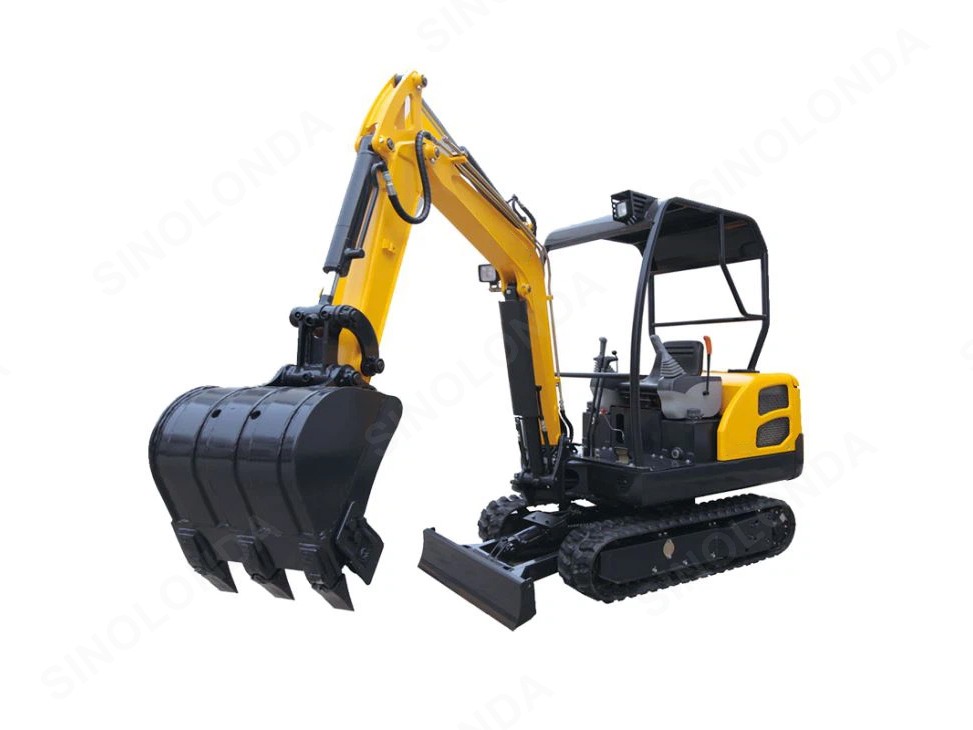
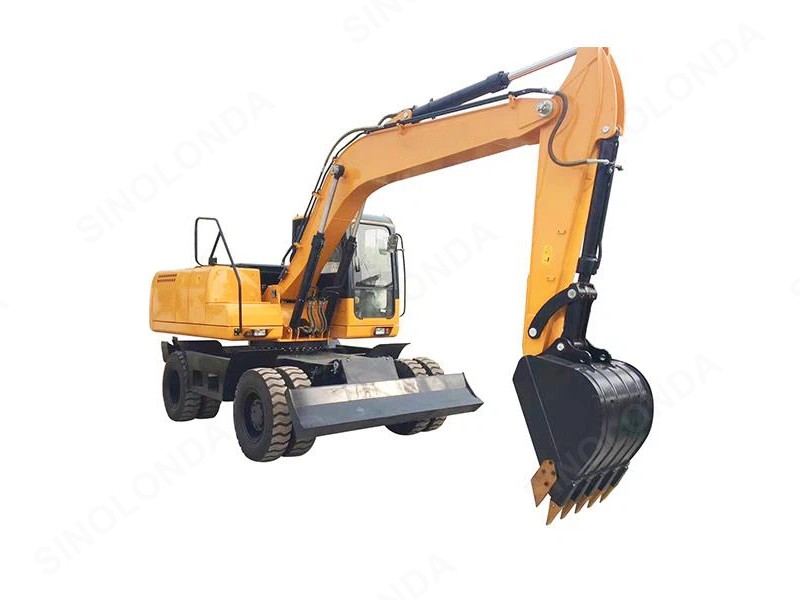
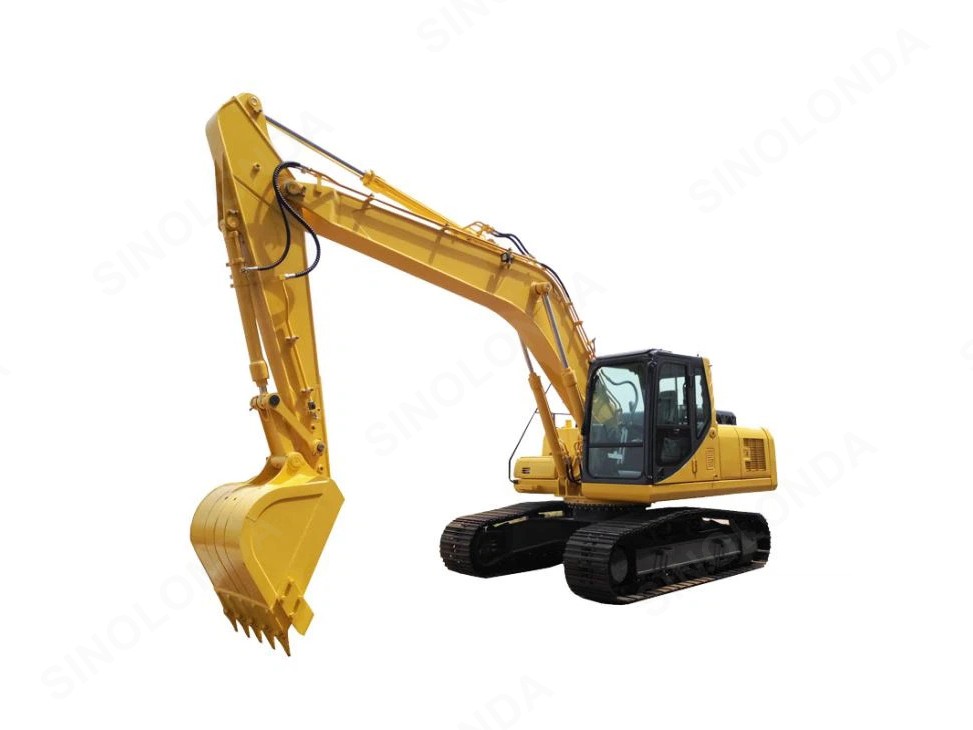
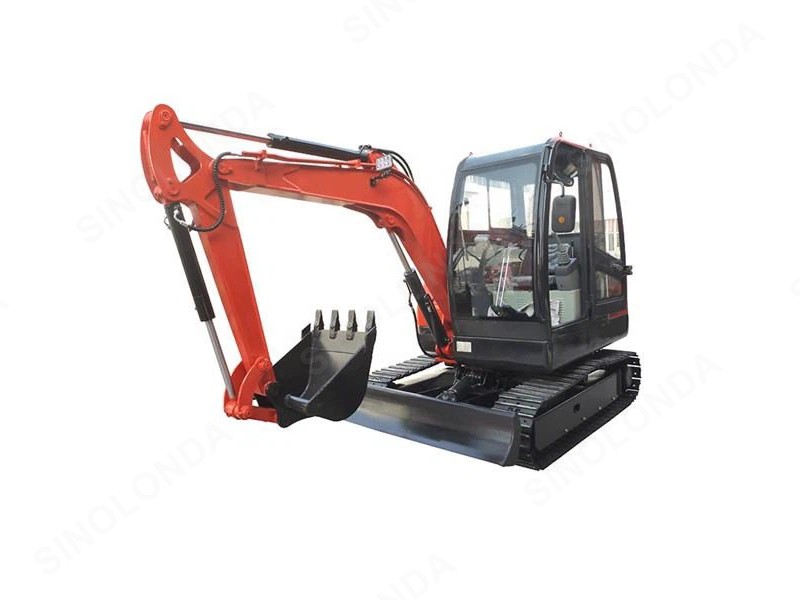
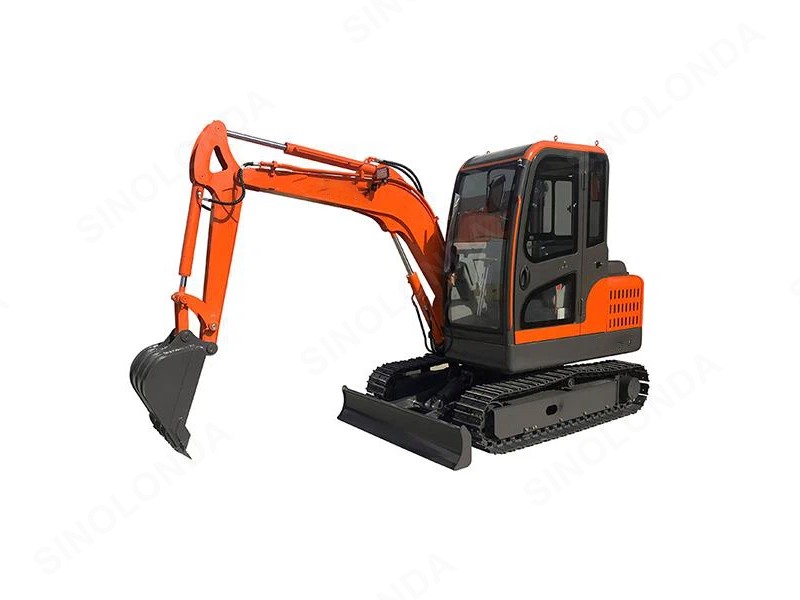
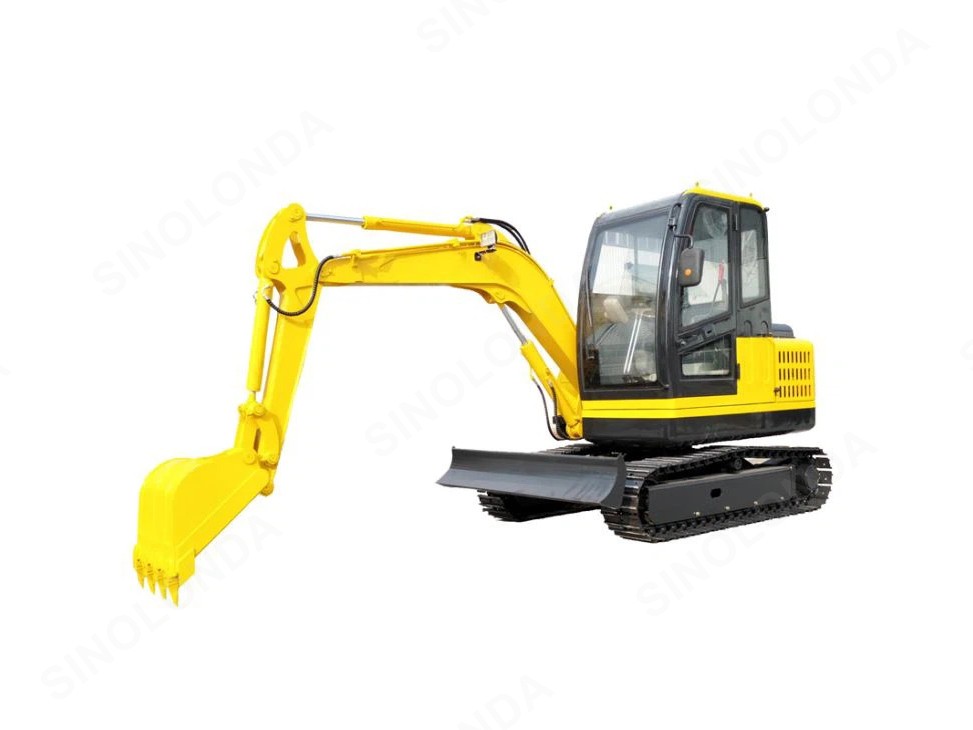
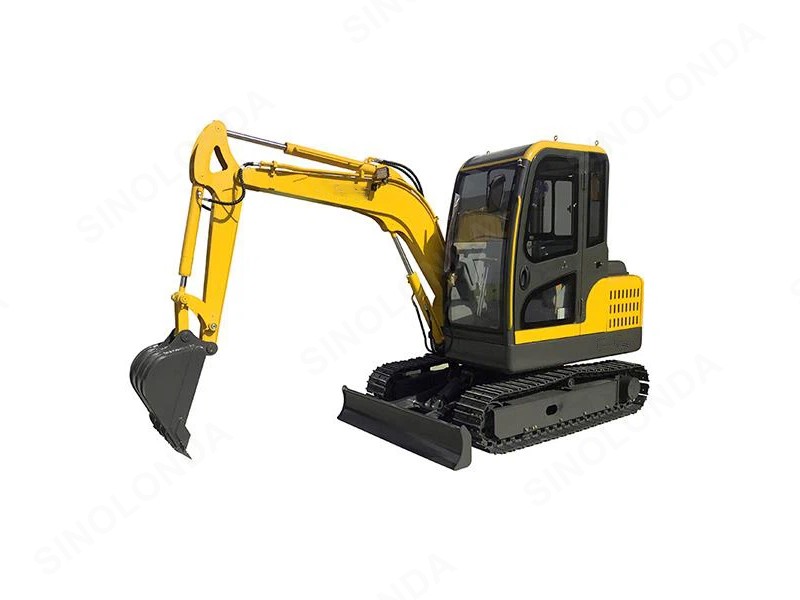
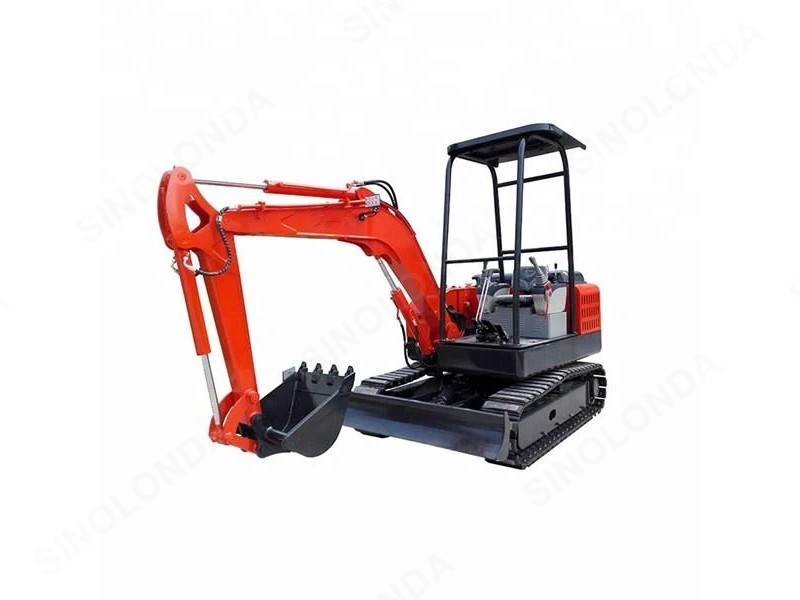
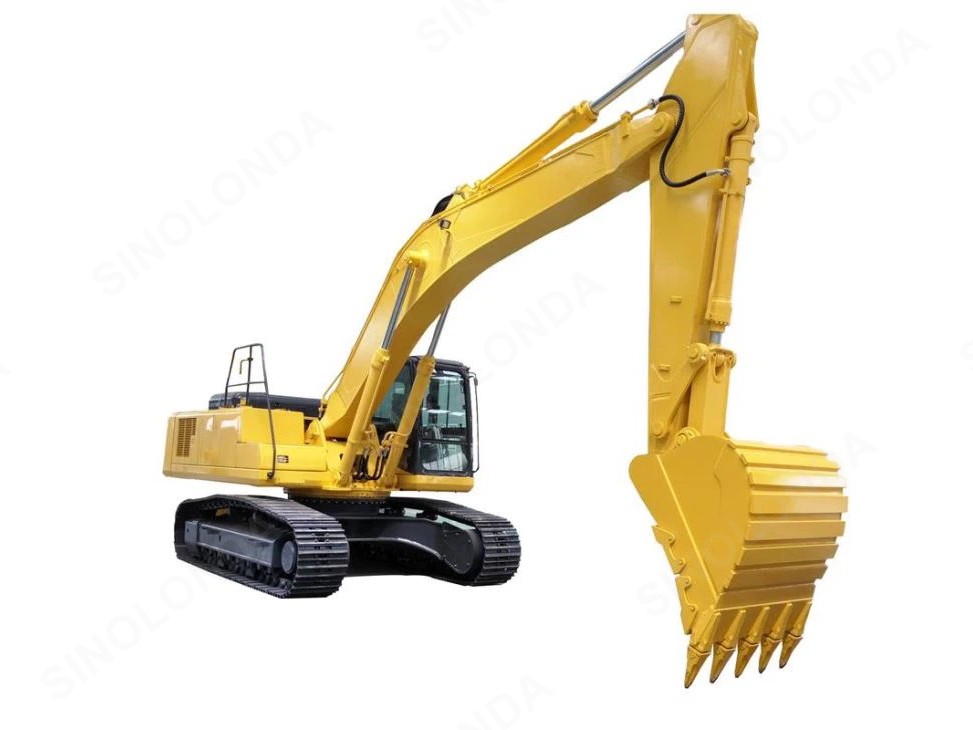
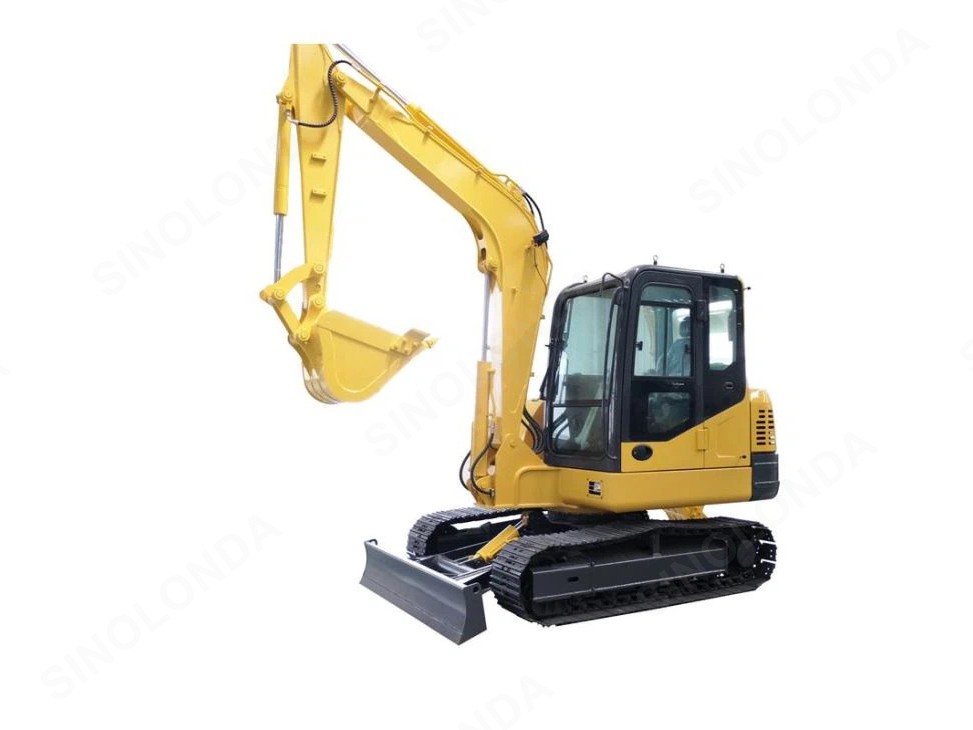
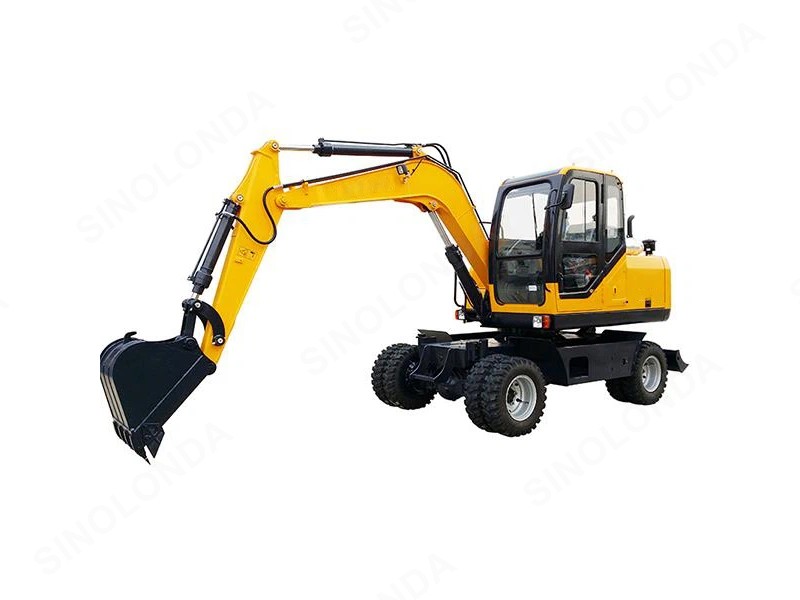
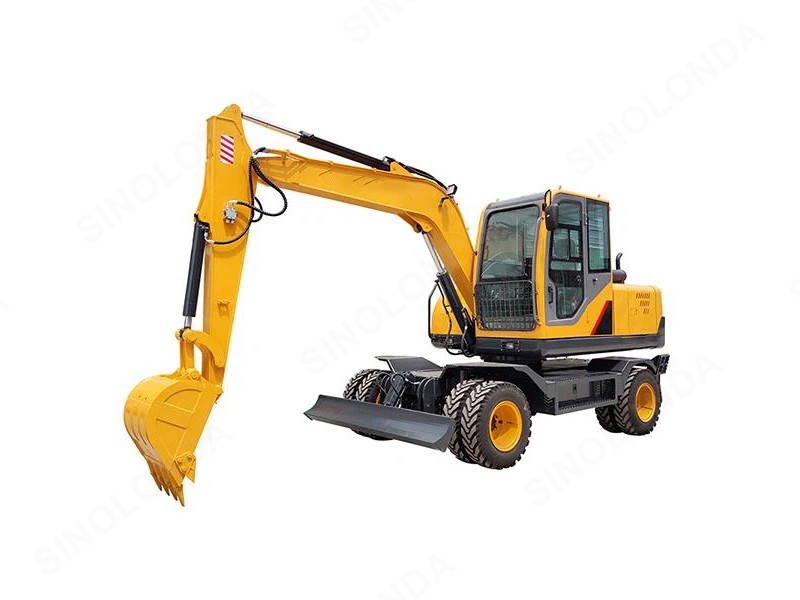
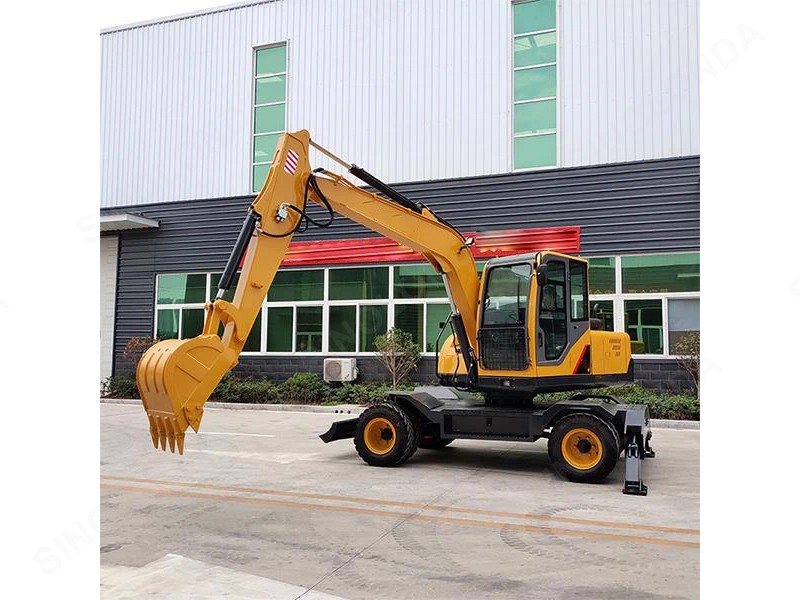
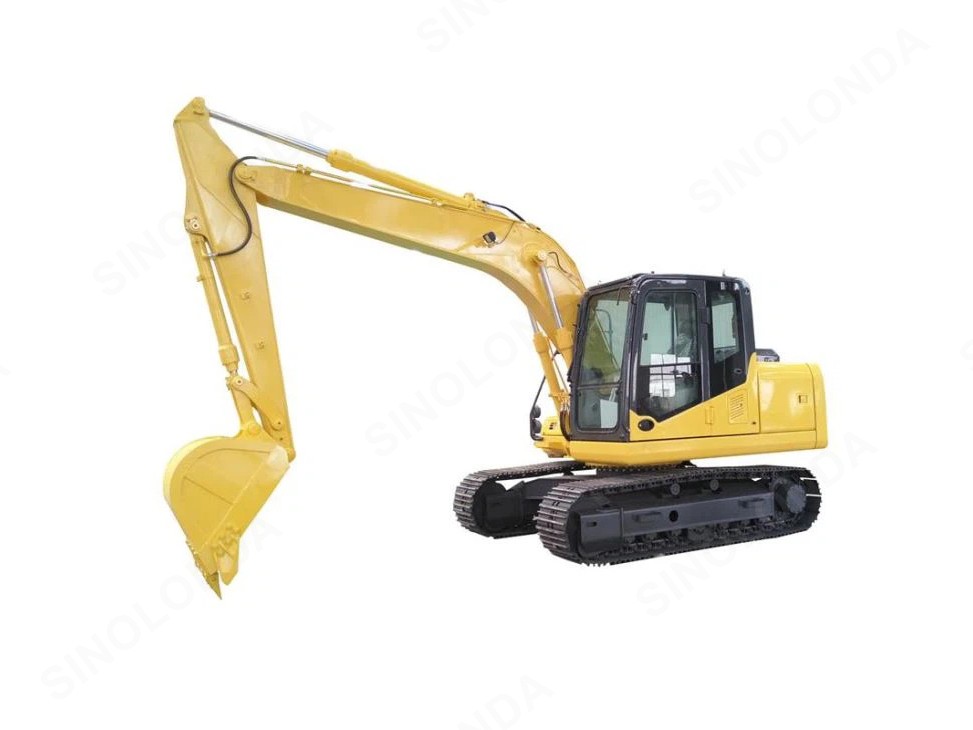
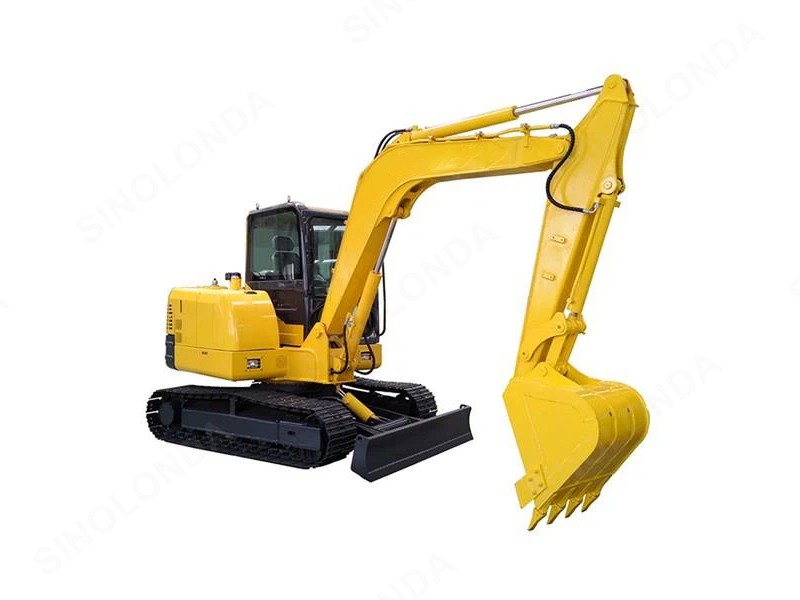
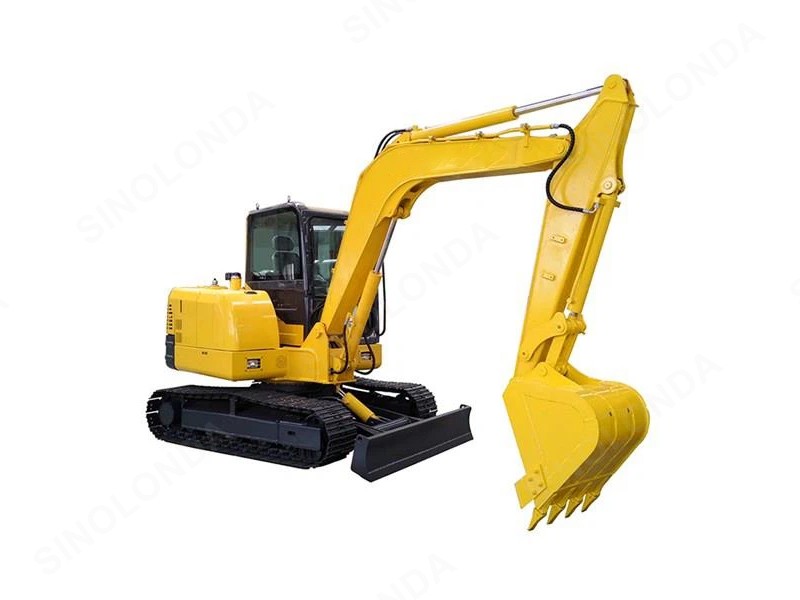
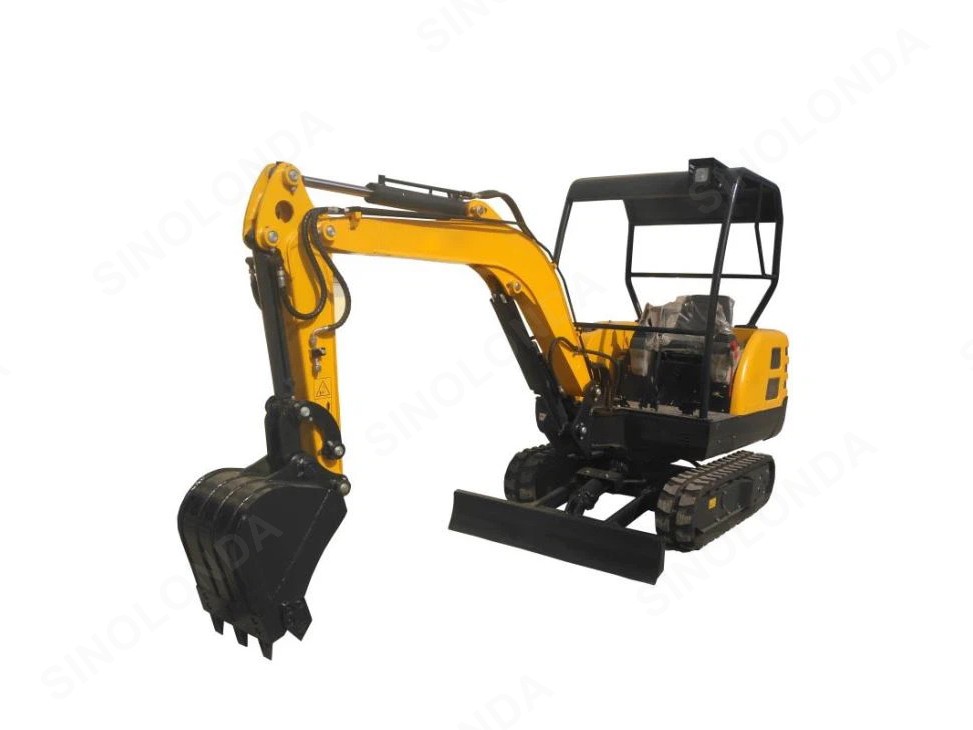
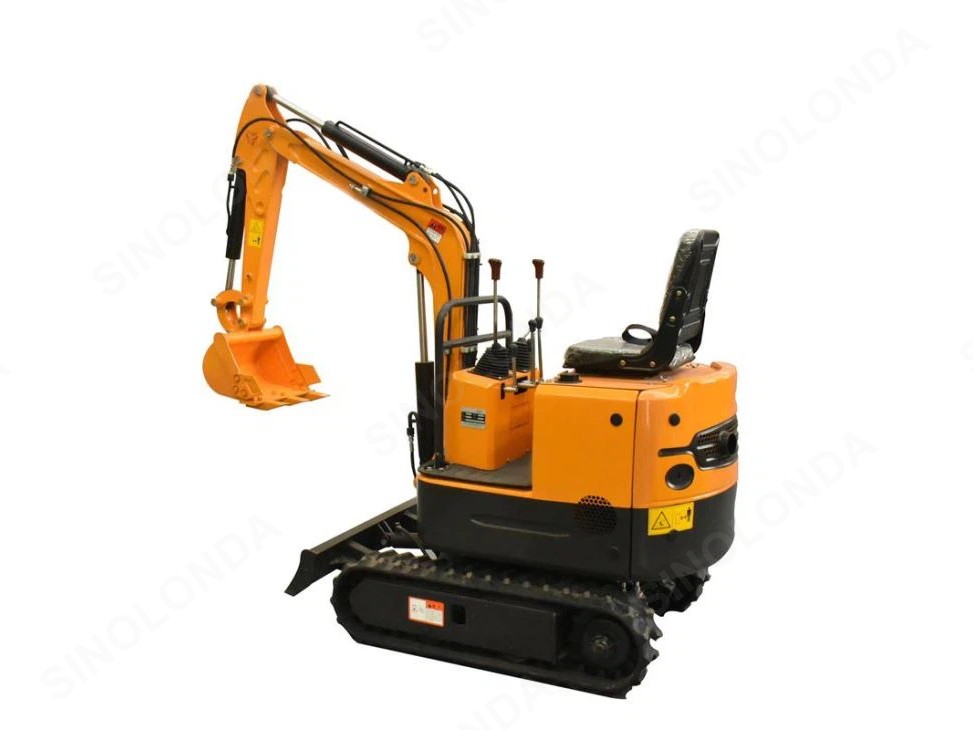
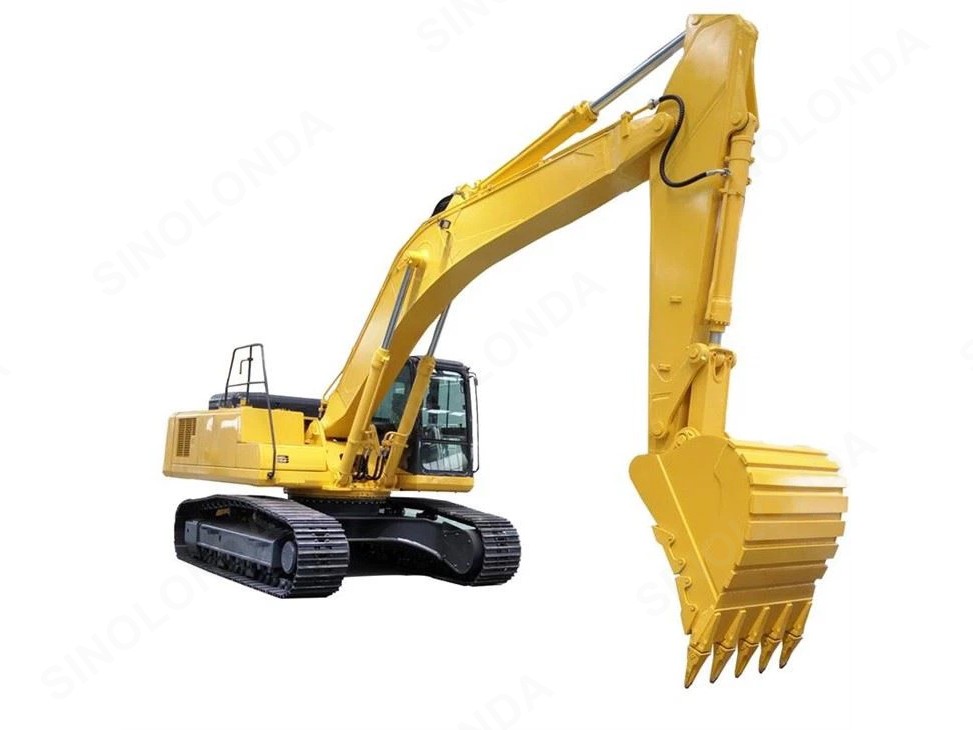
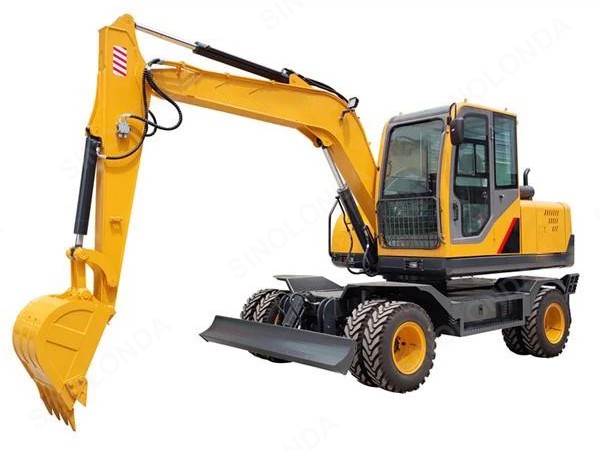
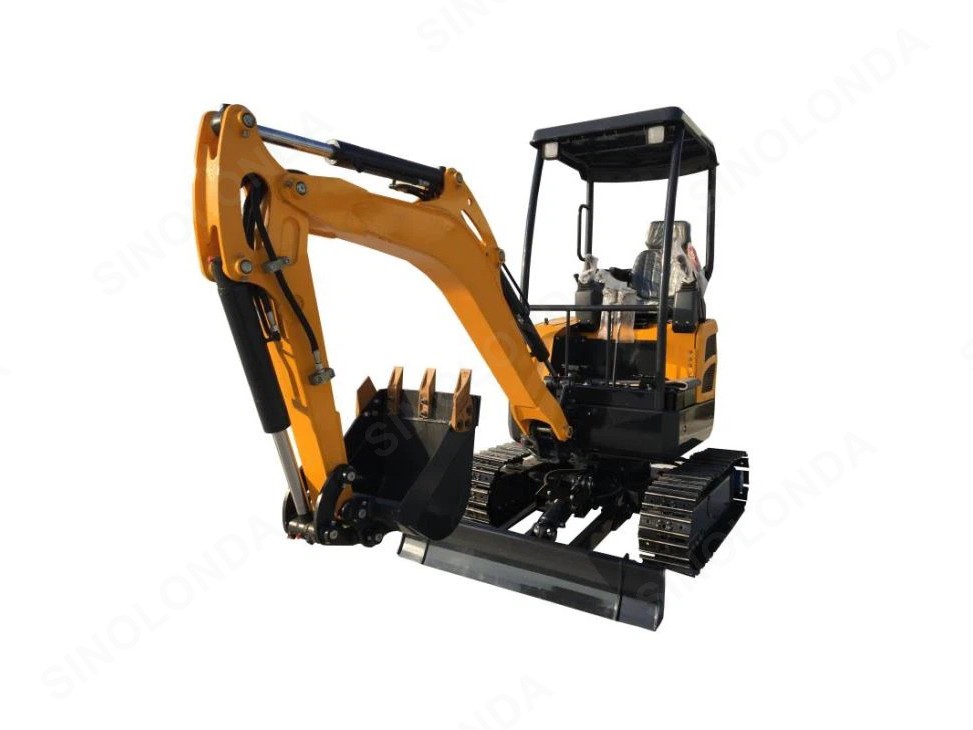
The vast majority of modern excavators are fully hydraulic-driven systems. Their standard working mechanism consists of three key components: the boom, stick, and bucket, which work in tandem to complete the full operational cycle of digging, slewing, and discharging material without moving the main chassis. The industry offers a complete product spectrum, ranging from 1-tonne compact mini excavators with zero-tail-swing design for tight urban spaces, to 800-tonne ultra-large mining excavators that can load a 400-tonne dump truck in just 3 to 4 passes.
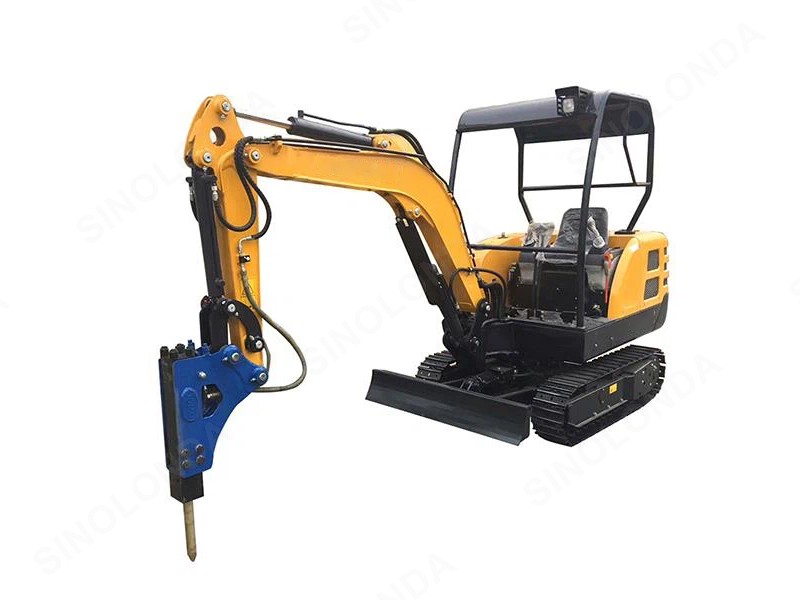
A defining advantage of modern excavators is their extreme attachment compatibility. The standard digging bucket can be swapped in minutes with breakers, grapples, augers, clamshells, or quick couplers, transforming the machine instantly for rock breaking, log handling, pile driving, or underwater dredging. Leading manufacturers including Caterpillar, Liebherr and local Chinese brands have also integrated intelligent energy management systems, which can cut fuel consumption by 15% to 20% while maintaining full digging force.
Main Application Scenarios
Excavators are irreplaceable across almost all heavy industrial sectors. In open-pit mines and quarries, large mining-class excavators handle high-volume ore and overburden stripping operations. At urban construction sites, compact and mid-size excavators perform foundation trenching, site grading, and demolition work with precise control. In emergency rescue scenarios, they are the first deployed machines for landslide clearance and disaster relief operations. The latest generation of electric and autonomous excavators further eliminates on-site emissions and supports 24-hour continuous operation, making them the core equipment driving the digital transformation of the global construction machinery industry.