Axle Configuration: The Most Consequential Specification
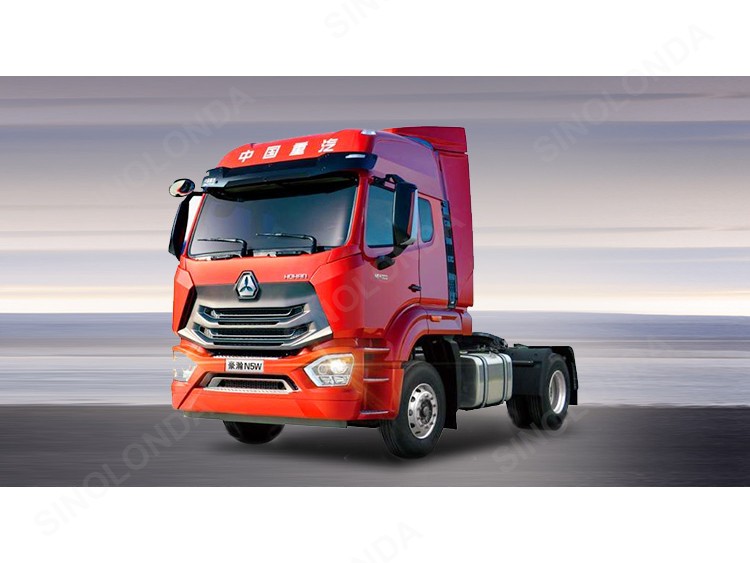
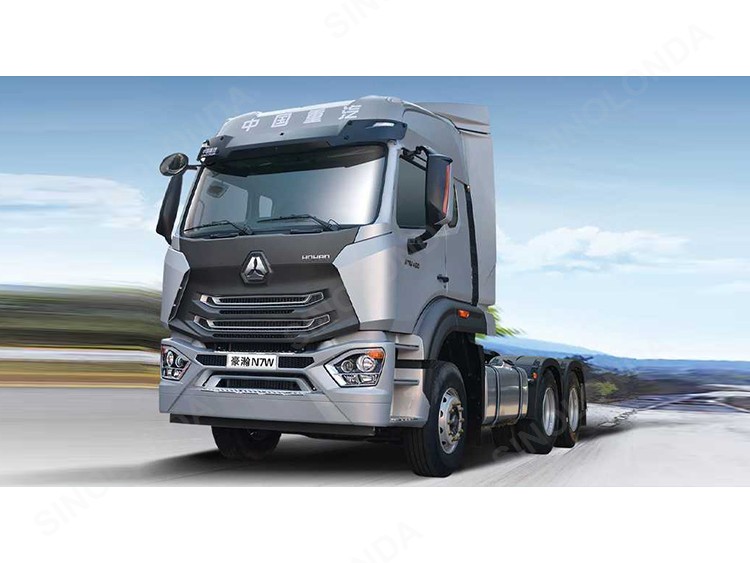
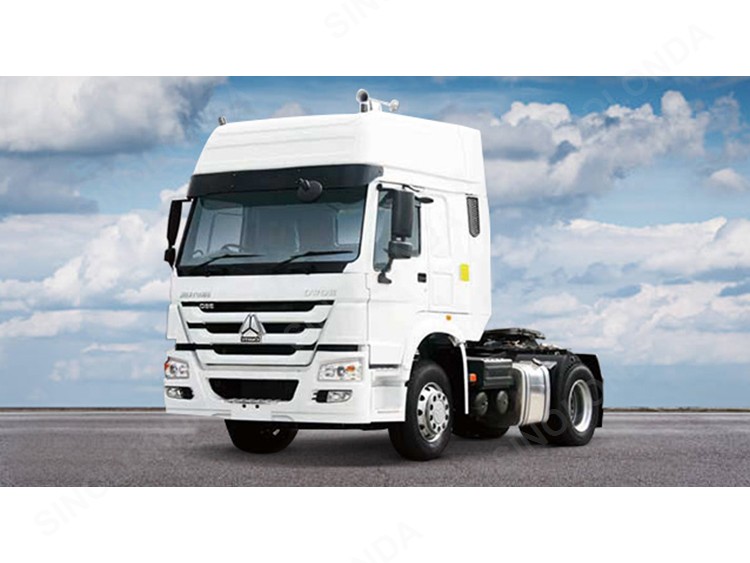
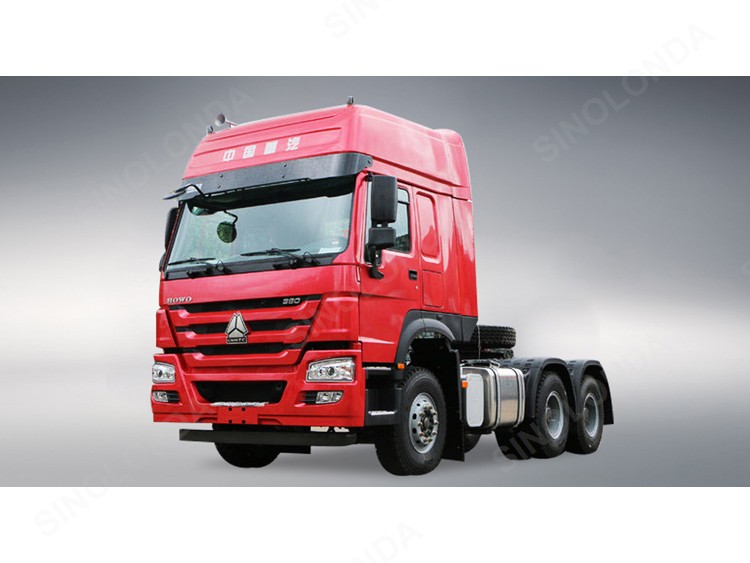
Axle layout determines traction, payload distribution, and fuel efficiency. The designation (e.g., 4×2) states the total number of wheel positions first, then how many are driven.
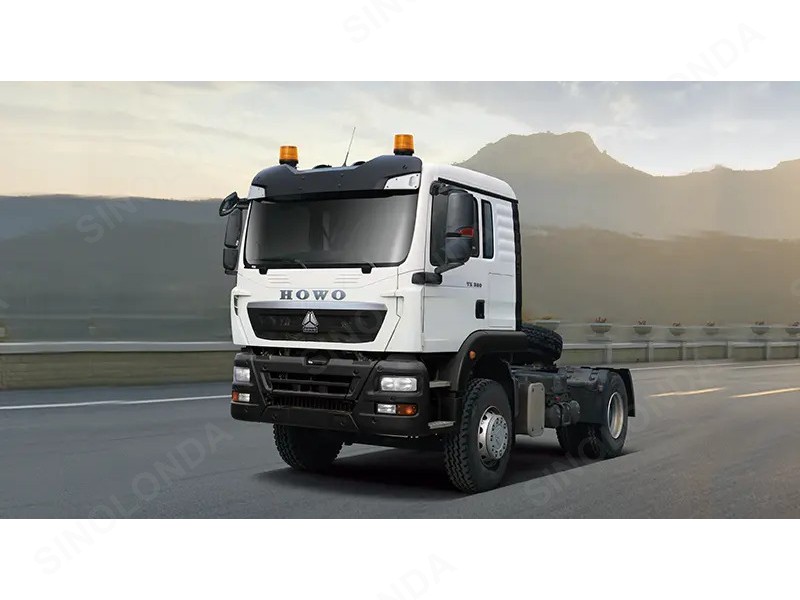
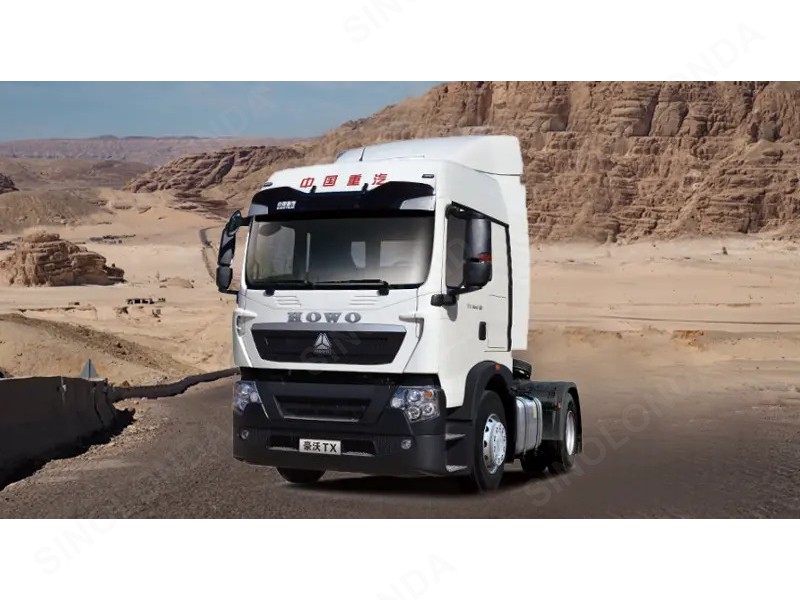
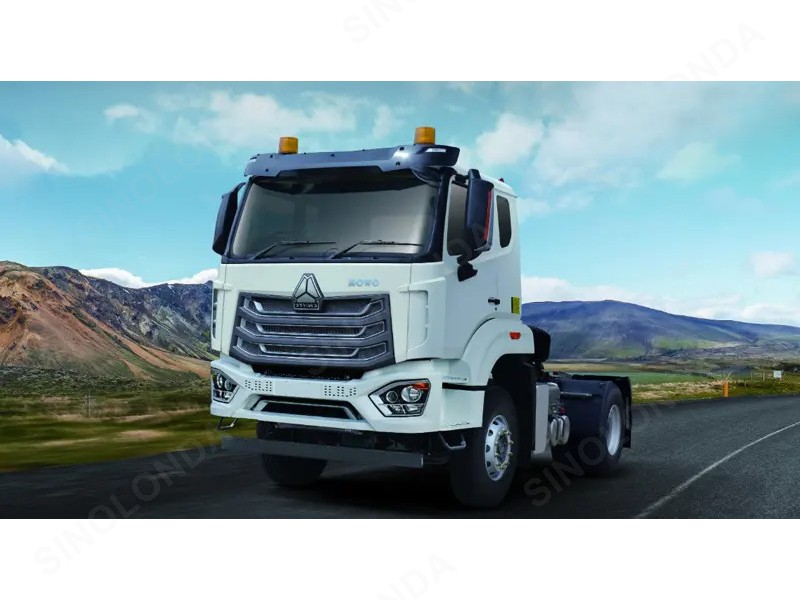
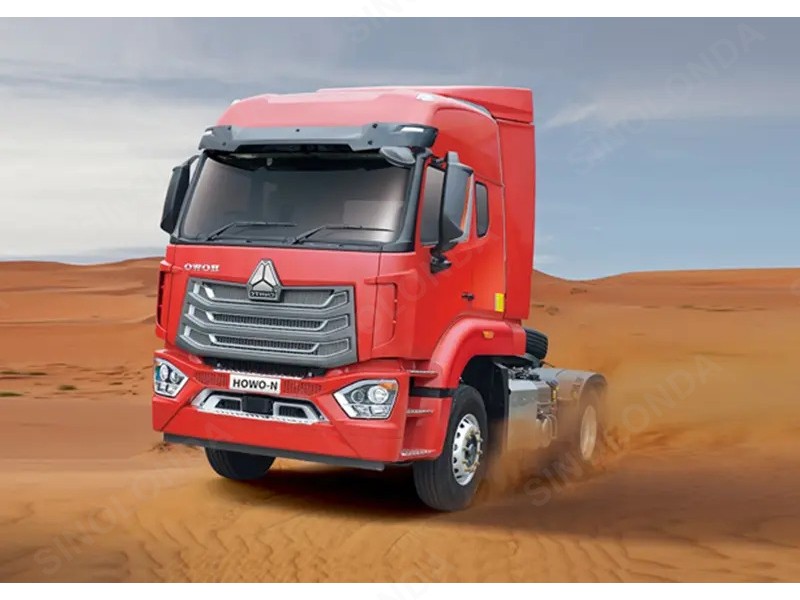
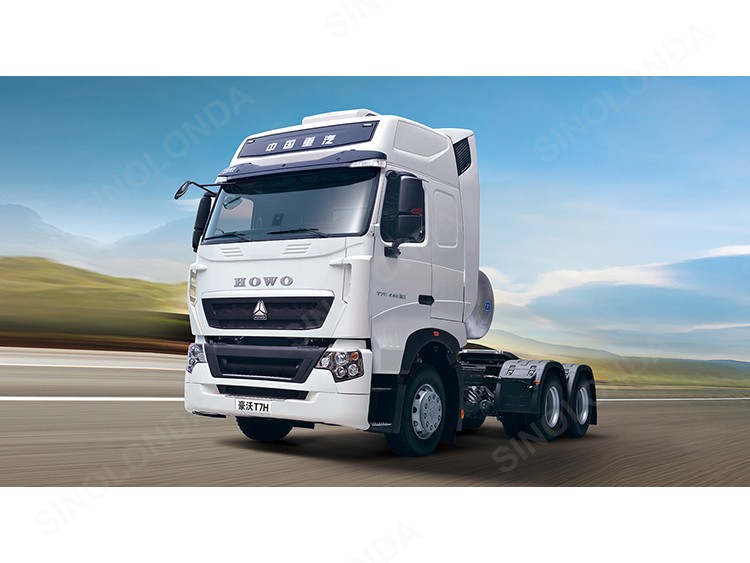
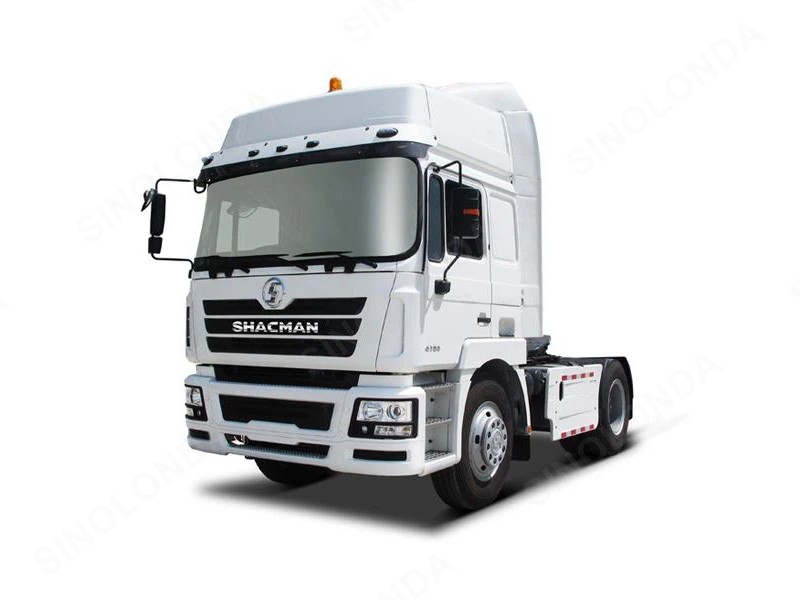
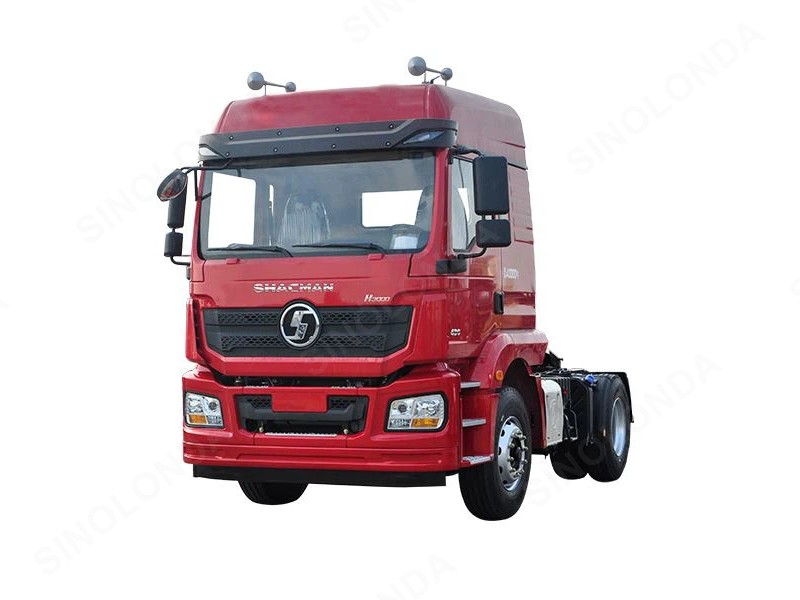
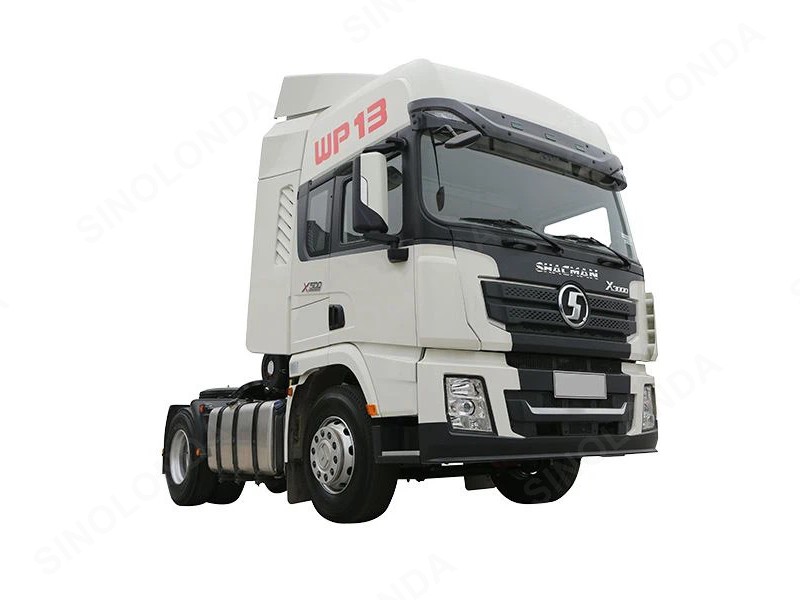
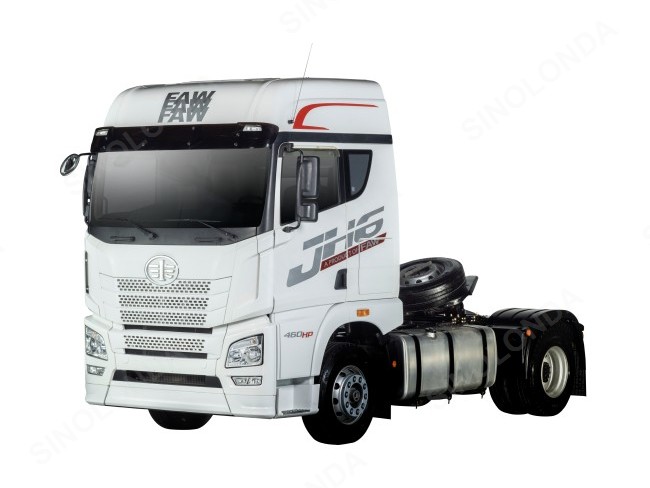
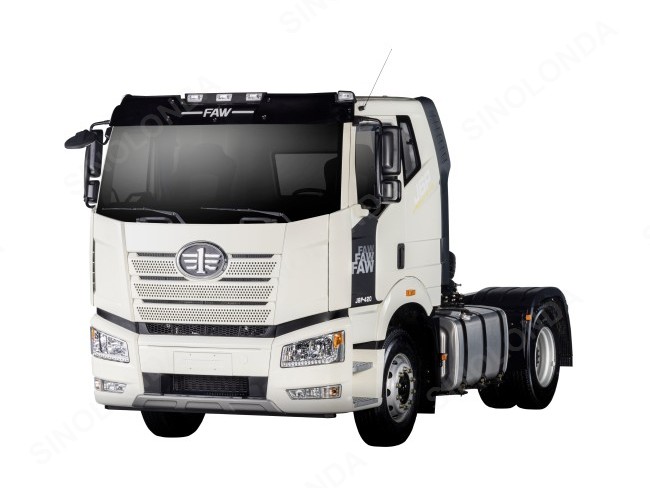
4×2 (two axles, one driven) is the standard European long-haul configuration. It is lightweight and fuel-efficient, making it the most common tractor configuration in Europe for standard freight transport. Its limitation is traction: under high-load or low-friction conditions, a single driven axle can be a constraint.
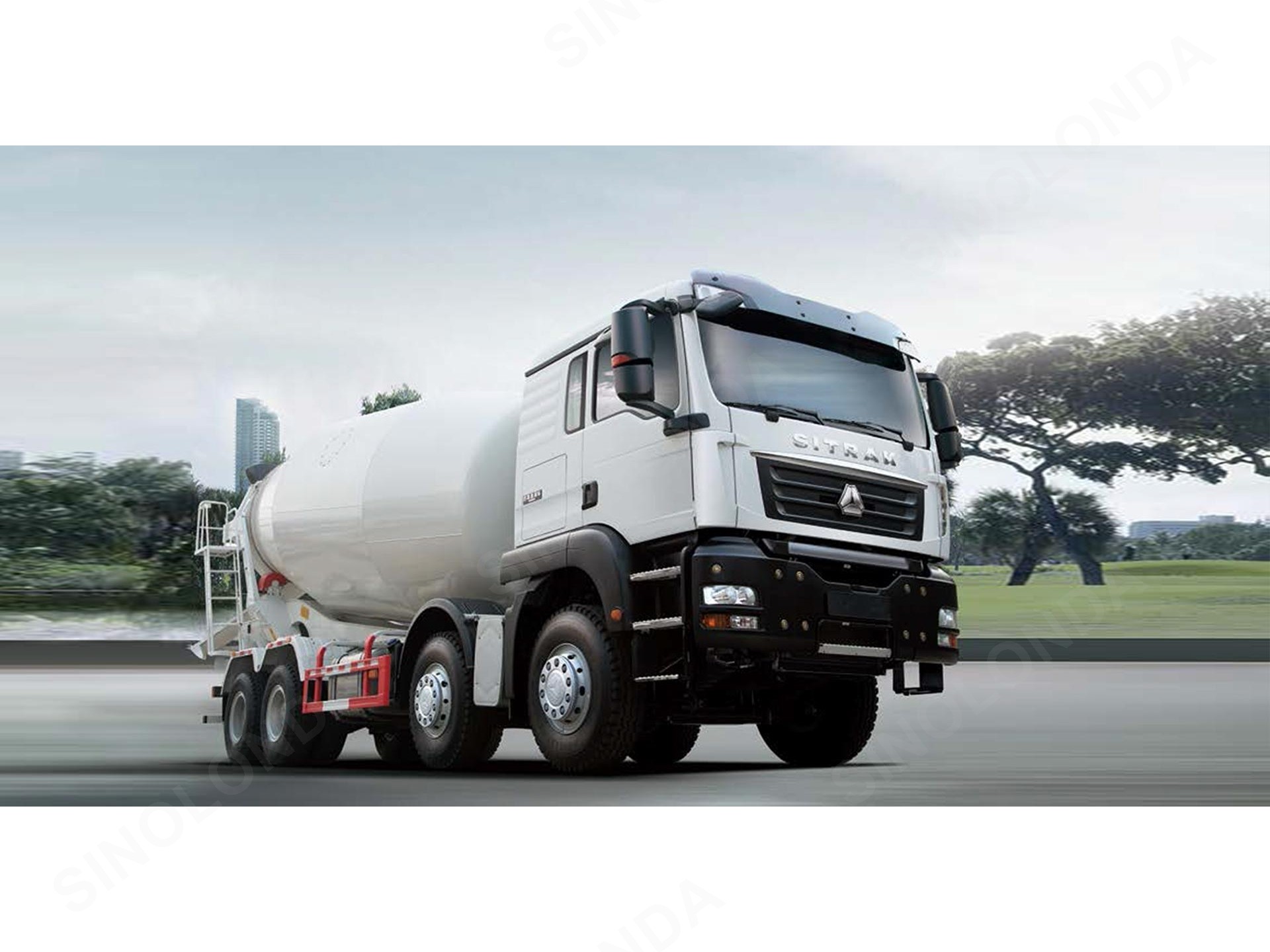
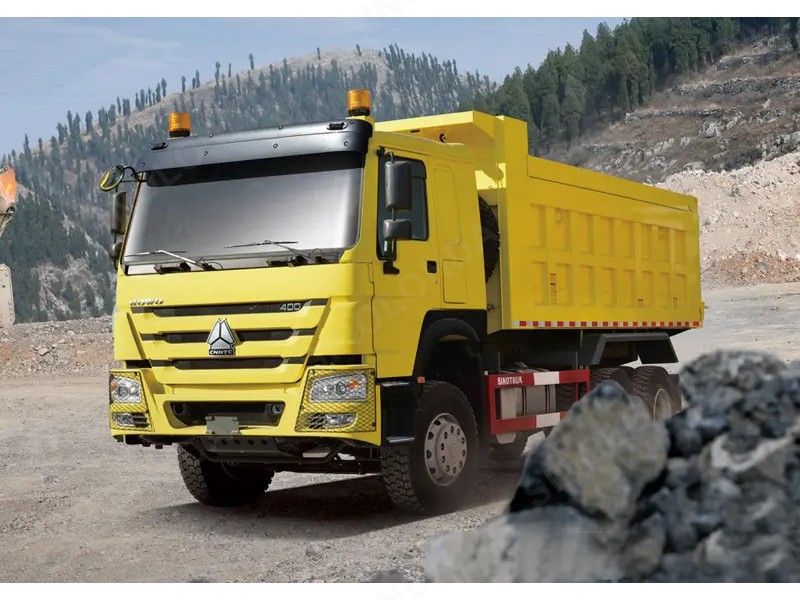
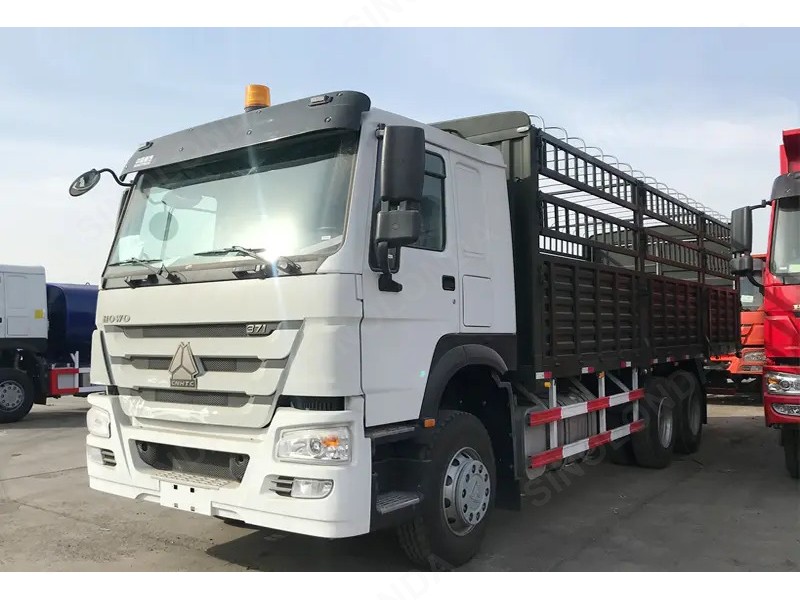
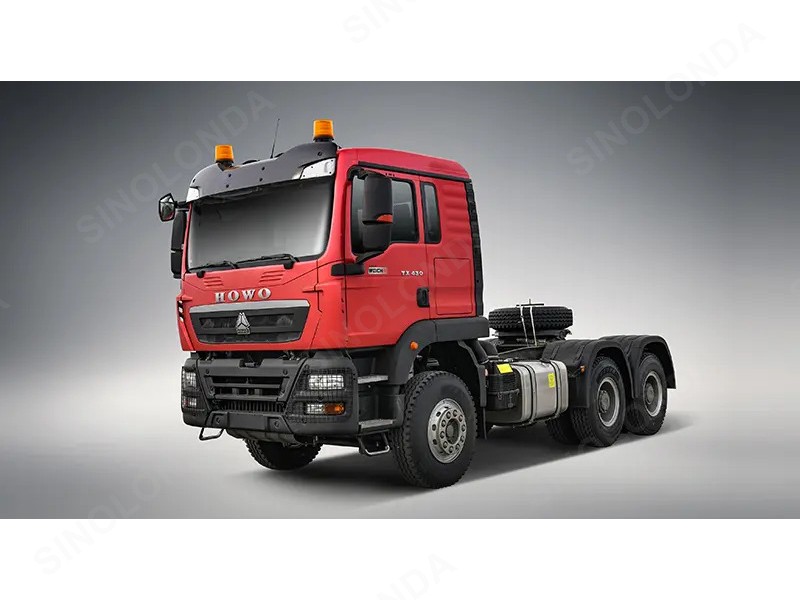
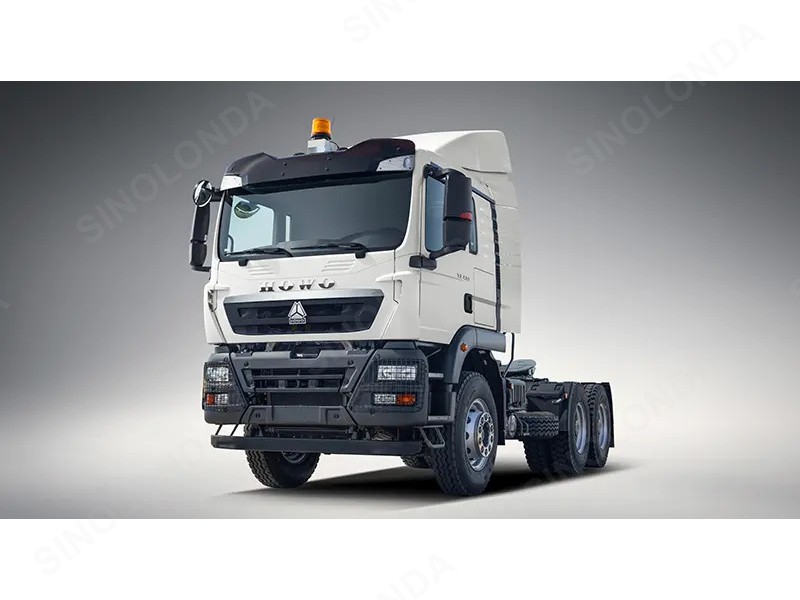
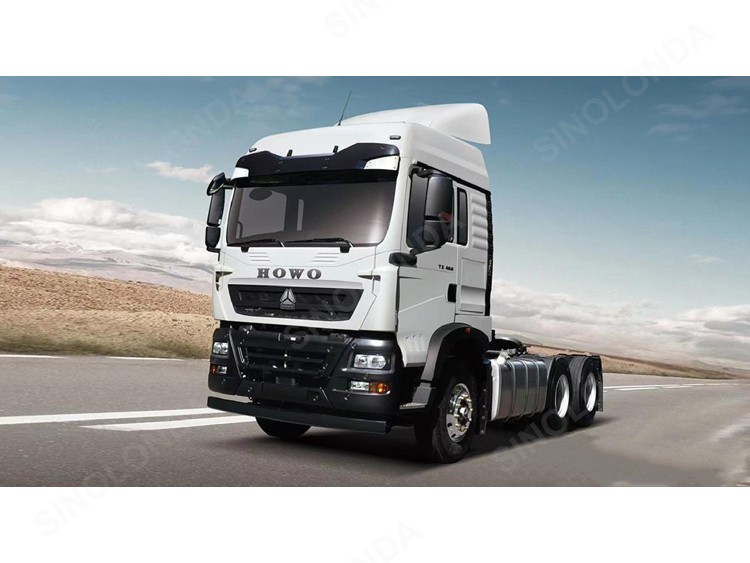
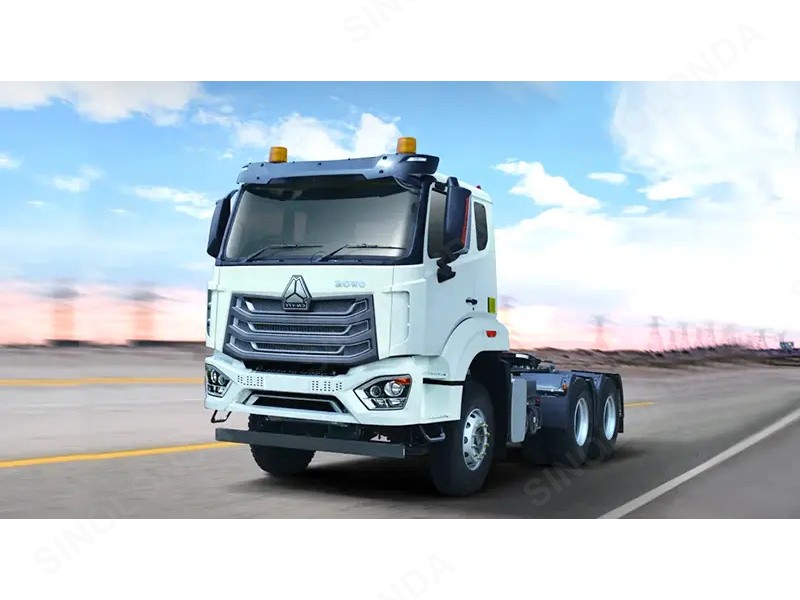
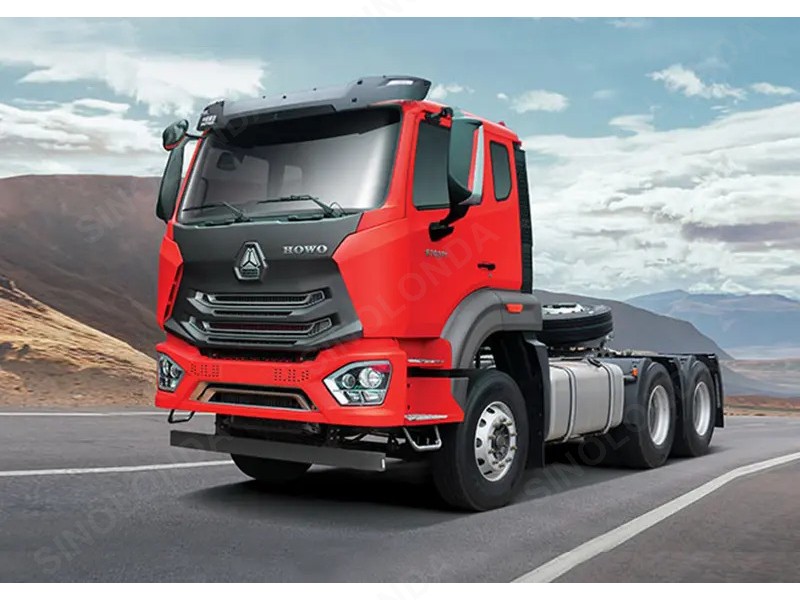
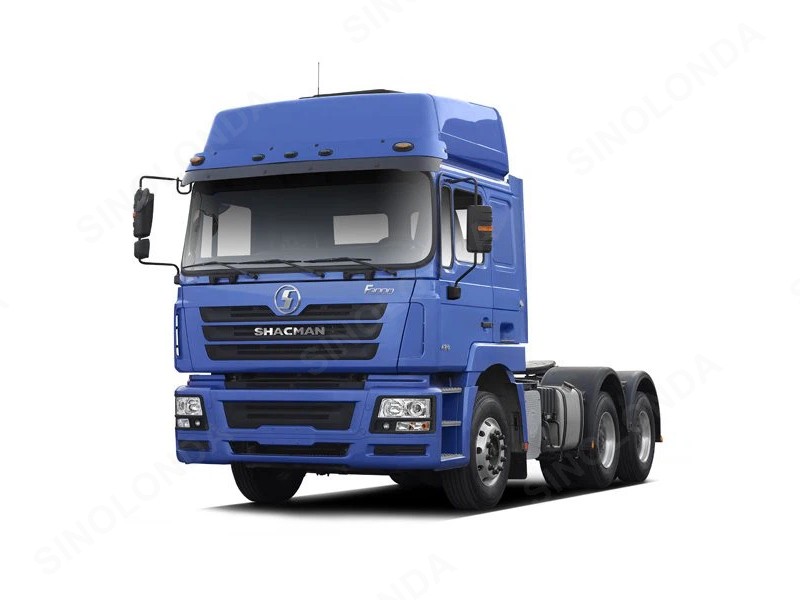
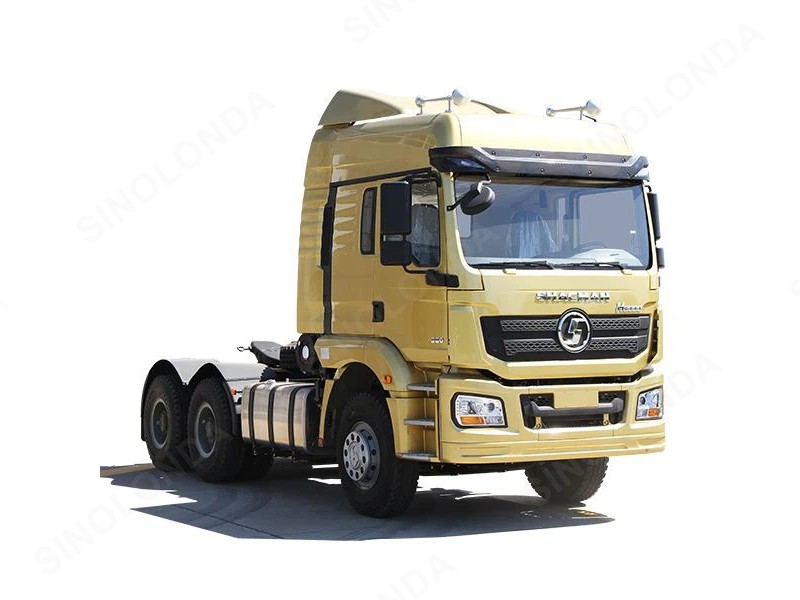
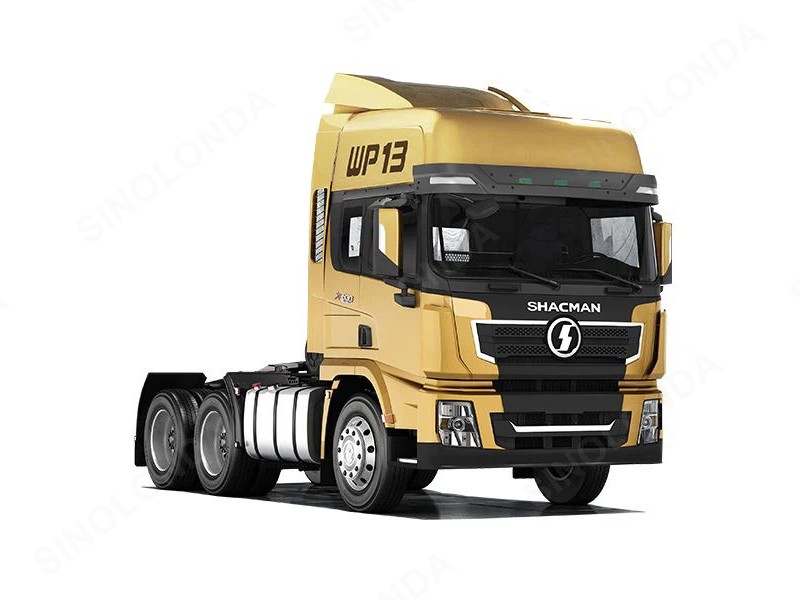
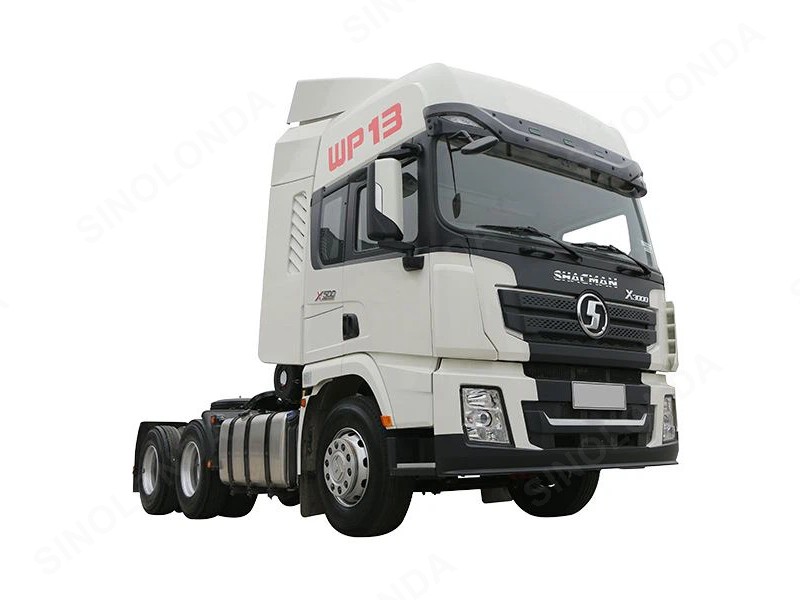
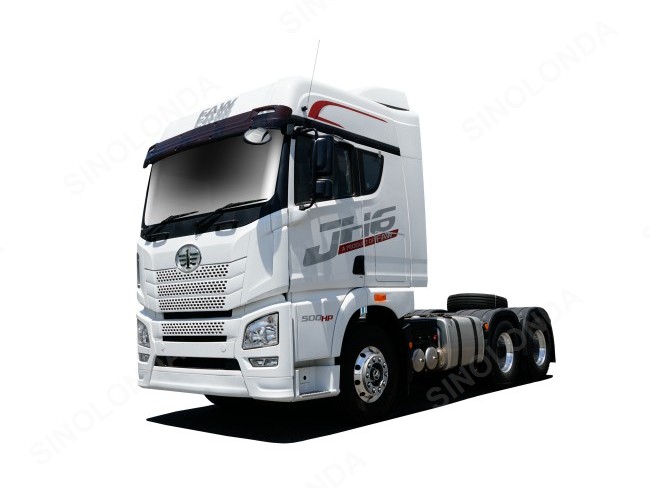
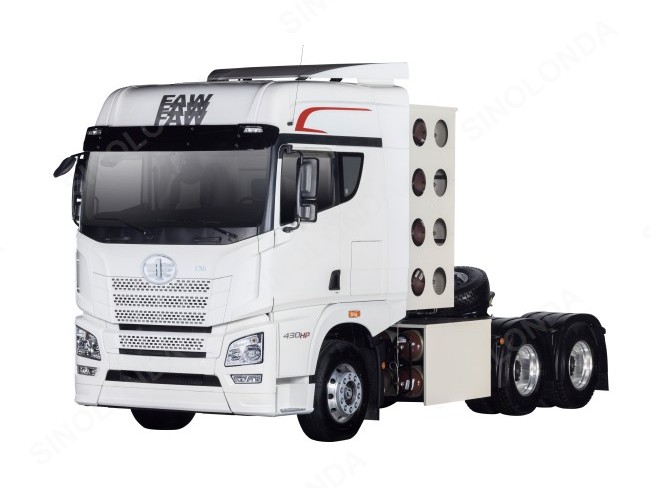
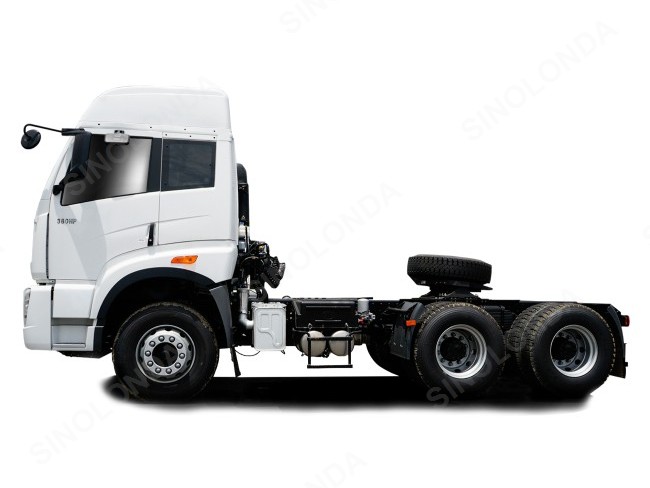
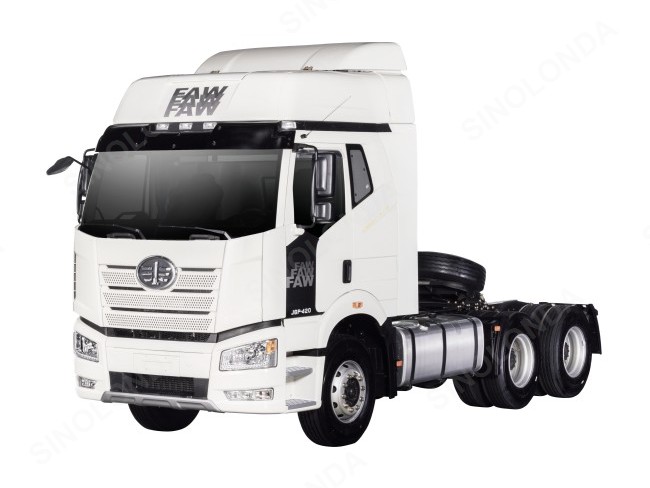
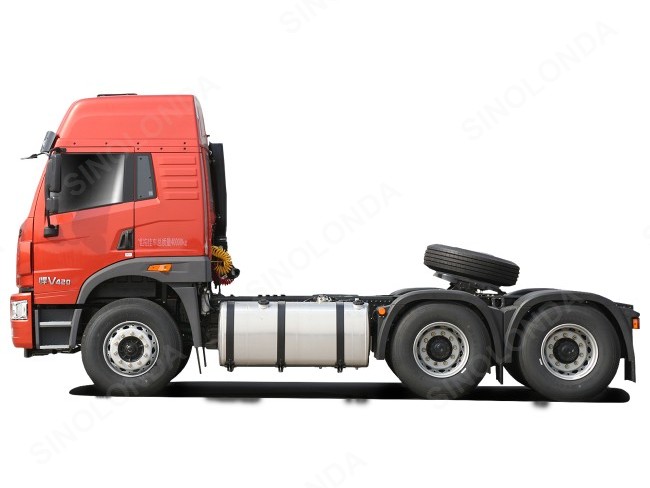
6×4 (three axles, both rear axles driven) is the dominant North American highway and vocational configuration. It offers superior traction, particularly on slopes or slippery surfaces, making it suitable for heavy-duty and off-road applications. The trade-off is weight, fuel consumption, and reduced maneuverability relative to a 4×2.
Engines are typically inline-six diesels in the 10.5–16 litre range. For over-the-road freight, 400–500 hp is the common band, with 600 hp and above reserved for heavy-haul and vocational duty. Automated 12- to 16-speed transmissions are now the default in major markets.