Core Structure And Compaction Principles
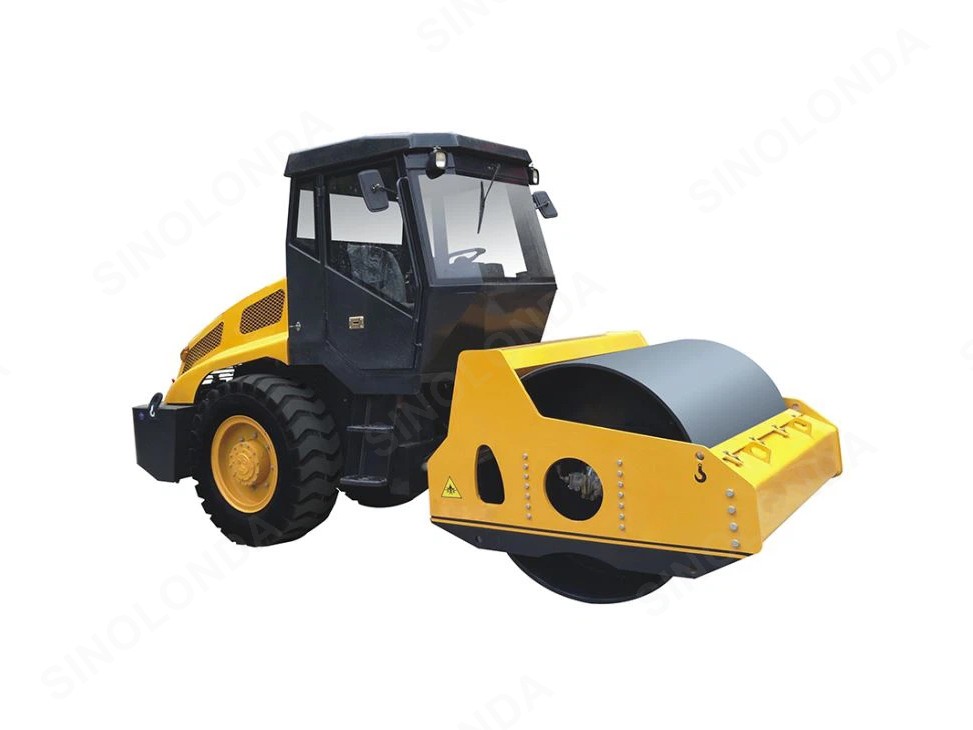
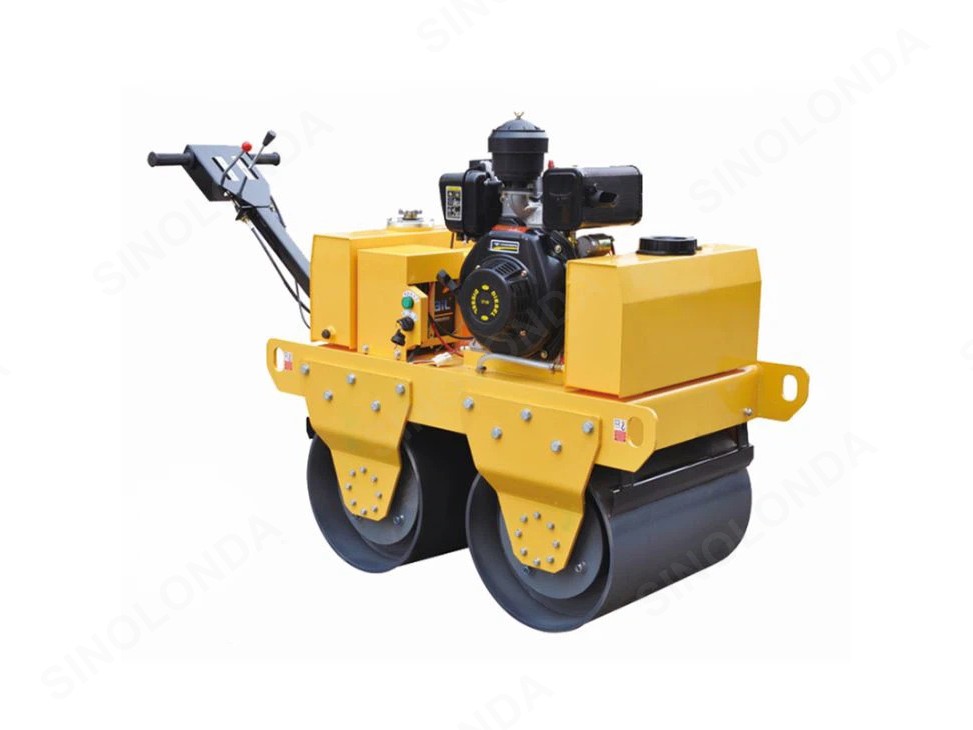
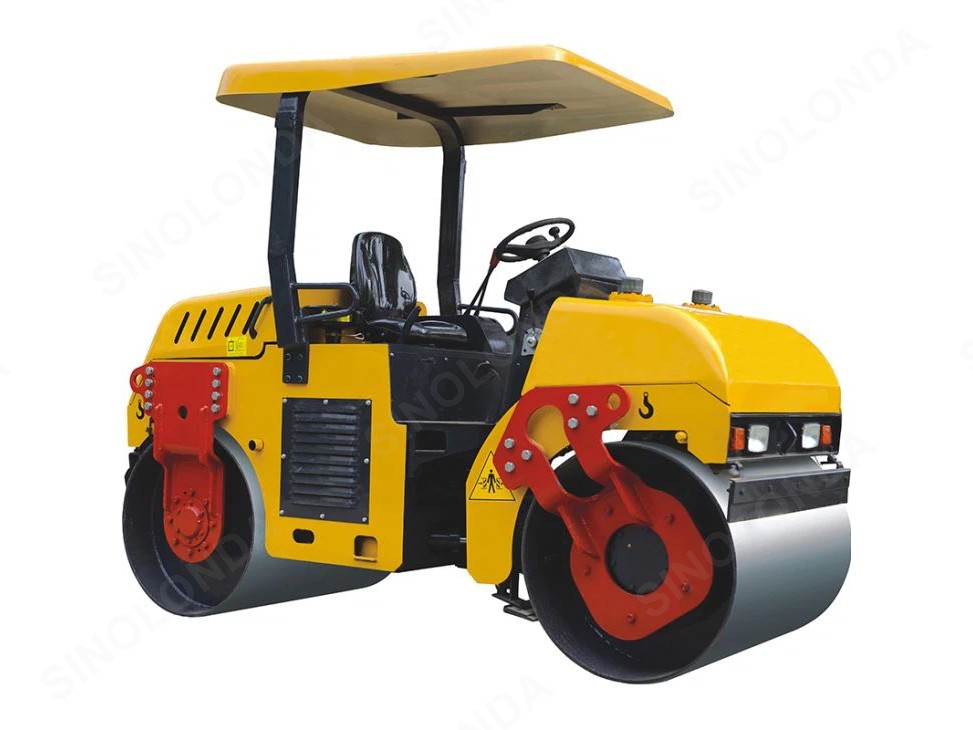
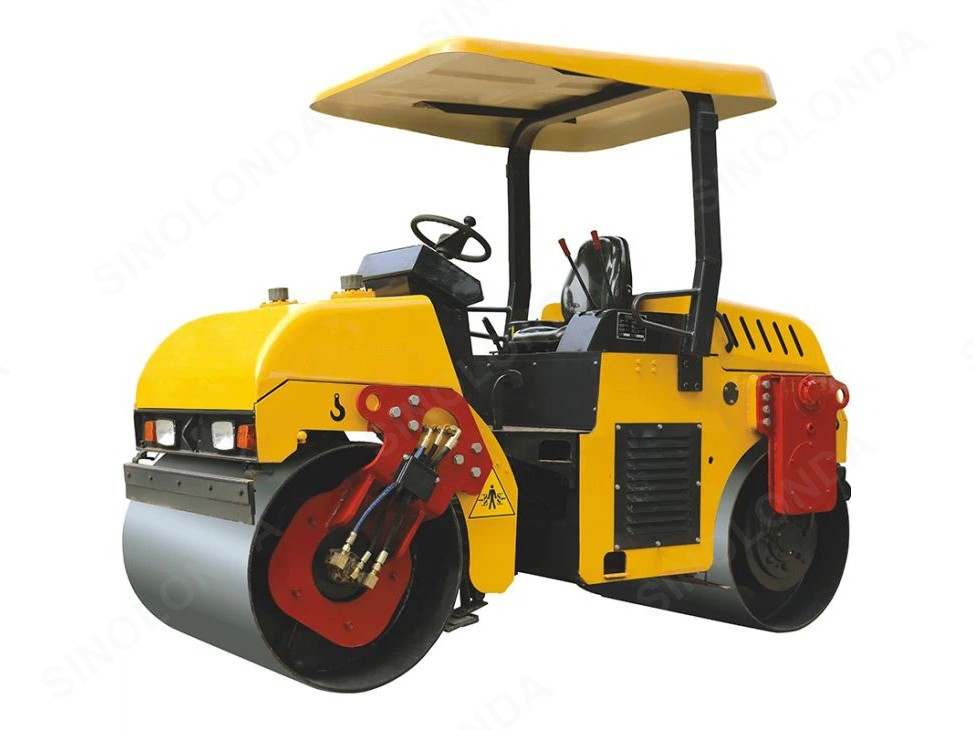
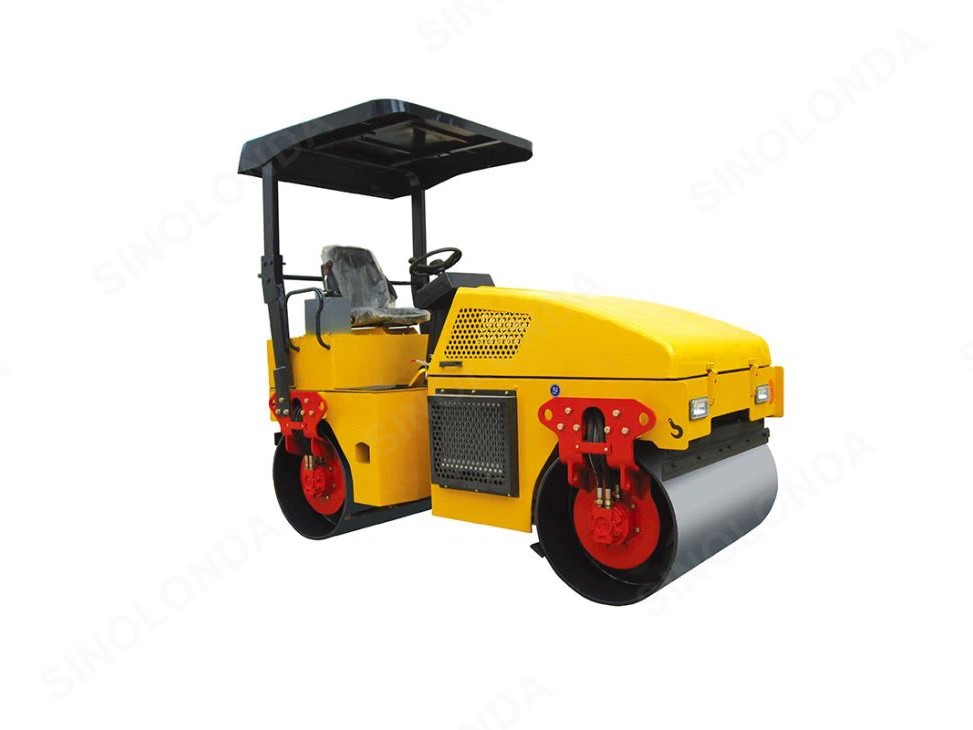
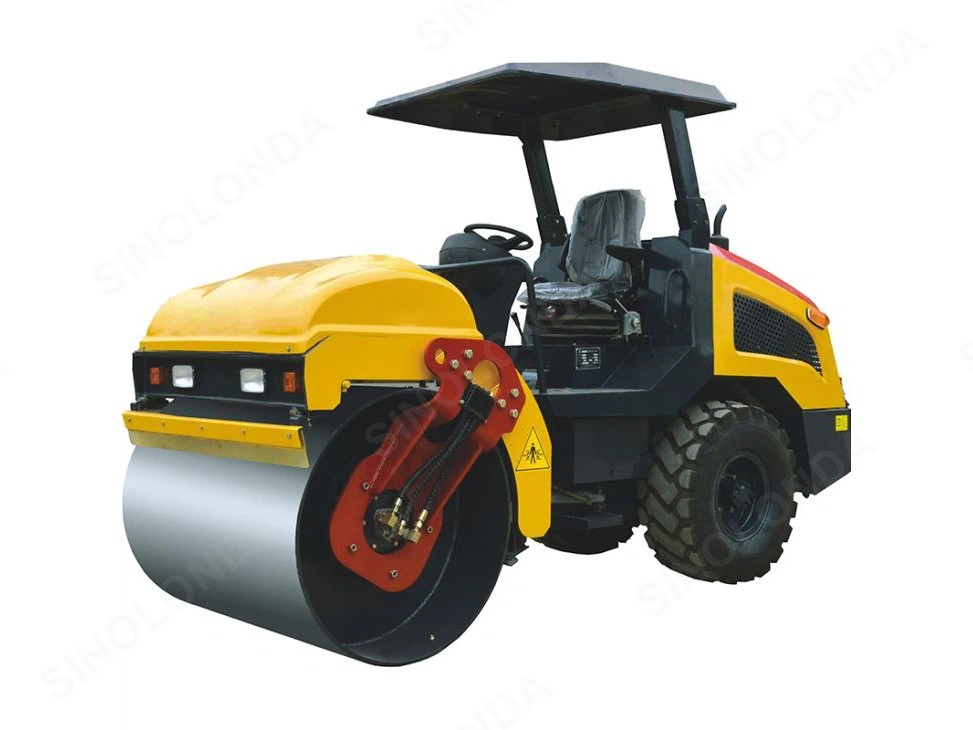
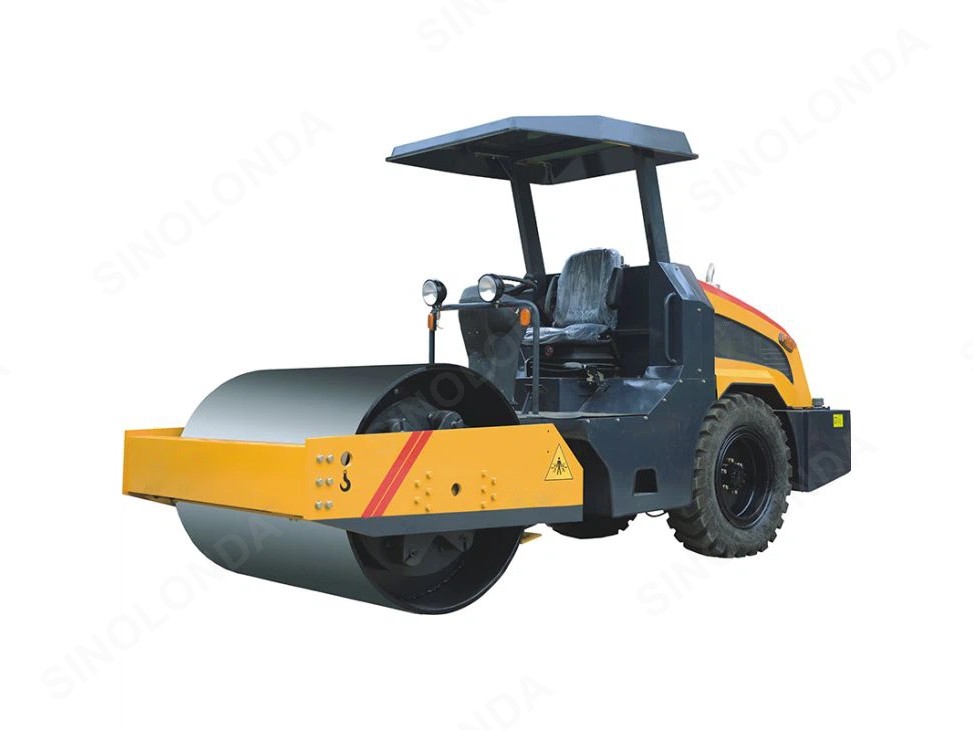
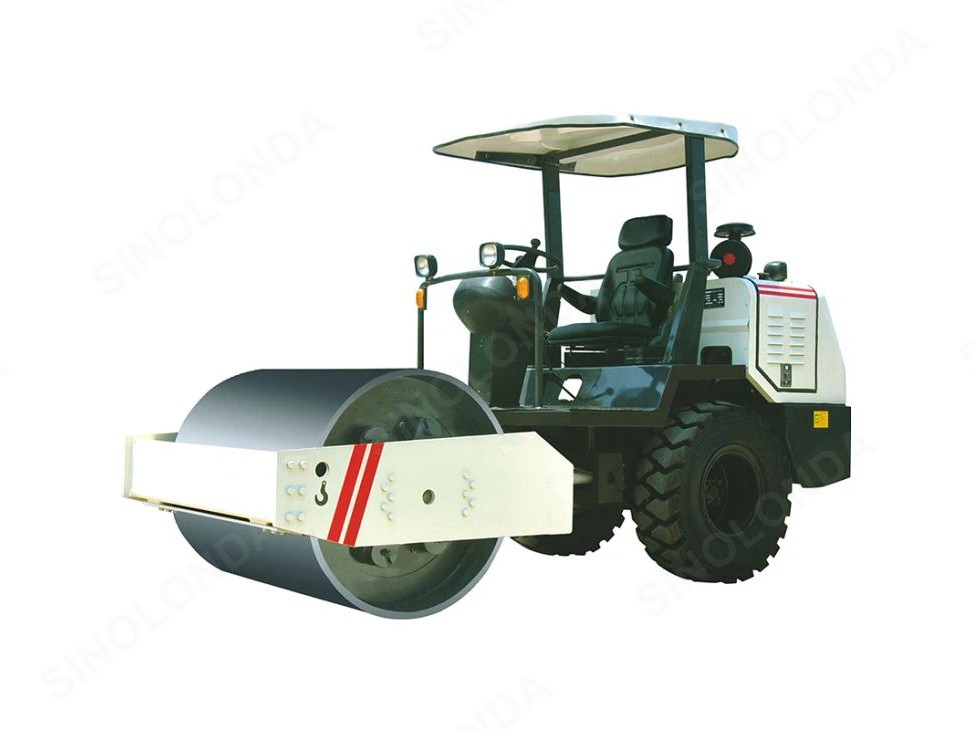
The working mechanism of a road roller relies on two core forces: the static dead weight of the vehicle itself, and the high-frequency exciting force generated by built-in vibrating motors. Traditional static rollers achieve compaction purely through the heavy pressure of their rigid steel drums, while modern vibrating rollers combine static weight with thousands of times of micro-impacts per minute, cutting required compaction passes by more than half and significantly improving construction efficiency. Different models use specialized working drums to adapt to different materials: smooth steel drums for asphalt finishing, grid or cam drums for breaking and compacting hard soil and rock fill, and pneumatic rubber-tyred rollers for uniform kneading compaction of asphalt layers to eliminate surface cracks.
The current mainstream market offers a complete product spectrum covering every construction scenario. Small 1–3 tonne double-drum rollers are designed for narrow municipal road repairs and residential area paving, 6–14 tonne single-drum vibratory rollers are the workhorses for road base compaction on highway projects, and 16–30 tonne heavy-duty pneumatic tyre rollers are used for high-grade highway asphalt surface compaction. New-generation intelligent road rollers are also widely equipped with real-time compaction monitoring systems, which can automatically record compaction passes, material density, and pavement temperature, effectively avoiding quality defects such as under-compaction or over-compaction.
Main Application Scenarios
Road rollers are core equipment across almost all infrastructure construction fields. In highway and urban road projects, they complete the full compaction process from road base to final asphalt surface layer. In airport runway and large industrial yard construction, they deliver ultra-high flatness and uniform load-bearing performance to meet strict long-term heavy-load requirements. In landfill sites, special sheep-foot roller compactors crush and stabilize domestic waste to maximize storage capacity. Their performance directly impacts the quality of every paved surface, making them an irreplaceable piece of equipment in modern civil engineering.