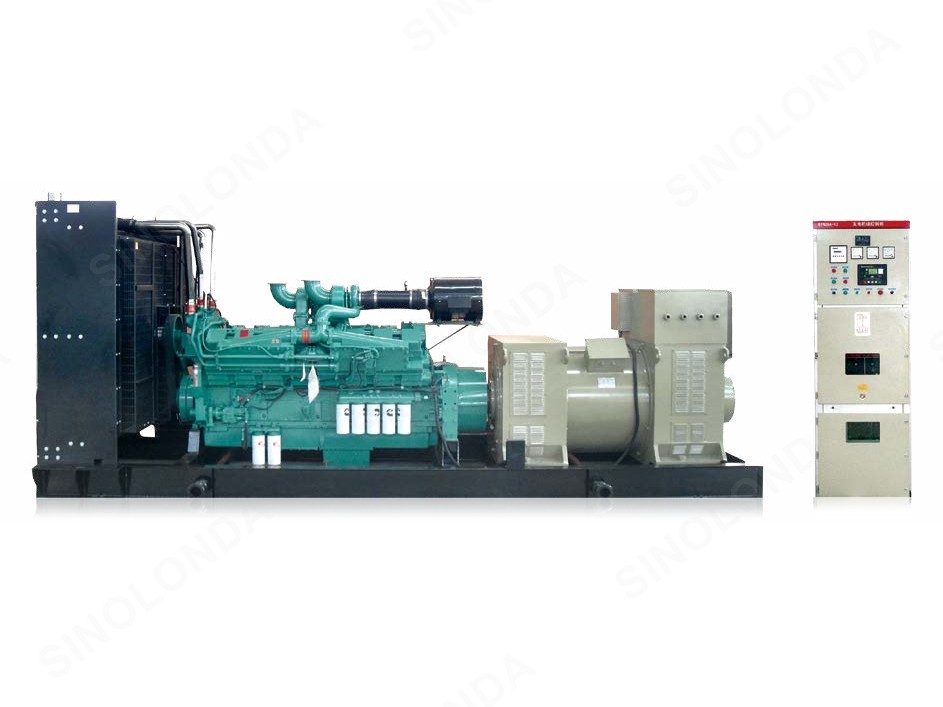
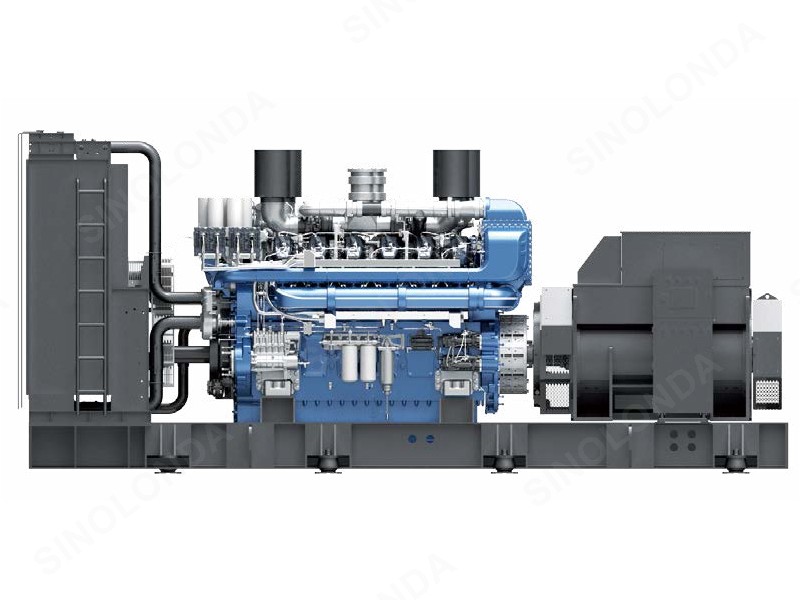
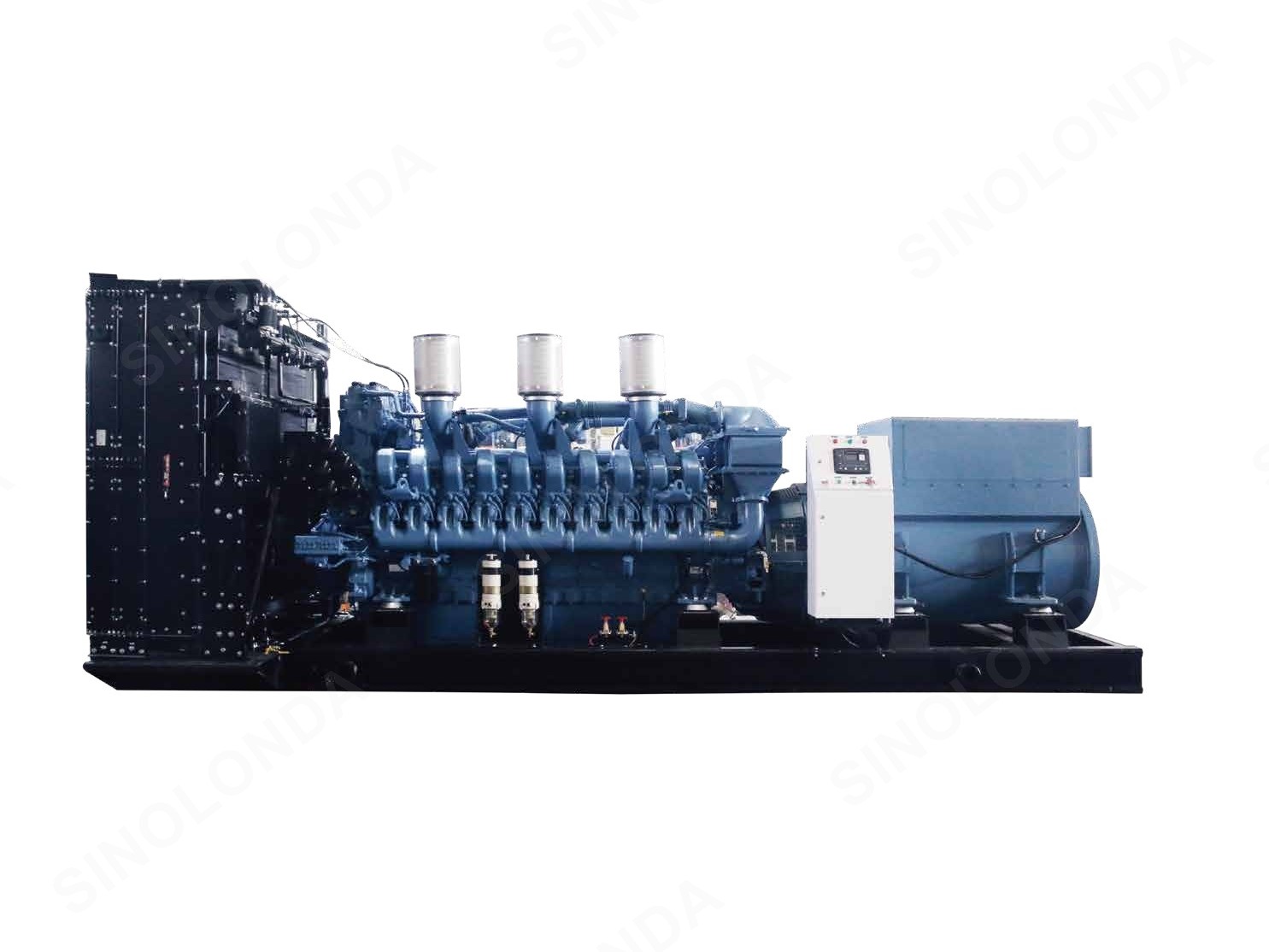
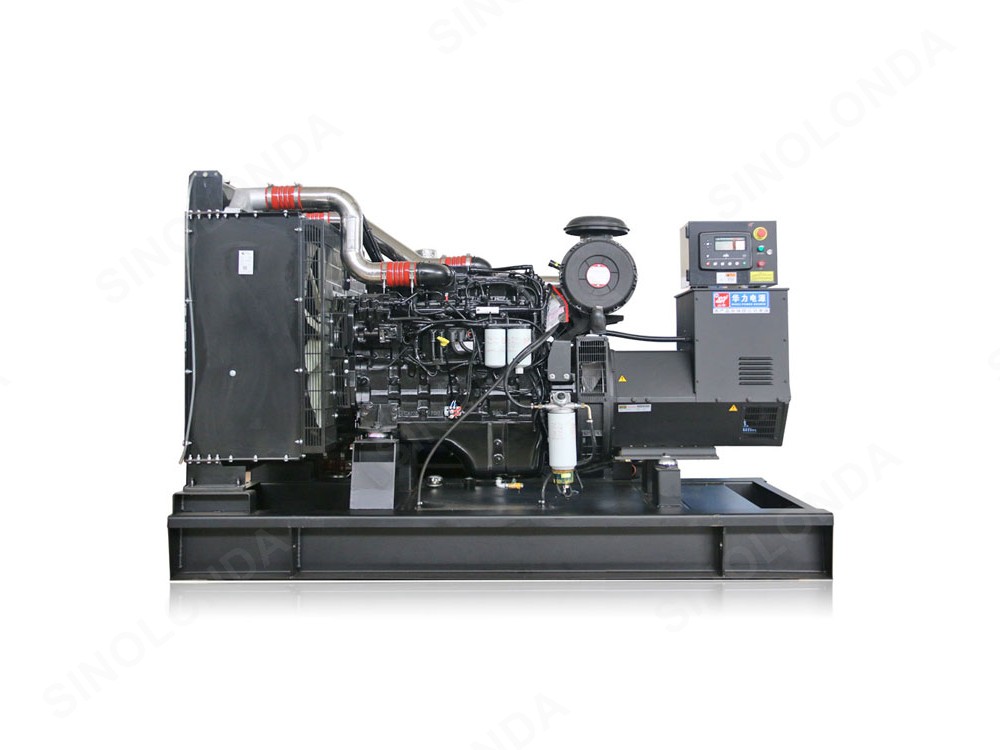
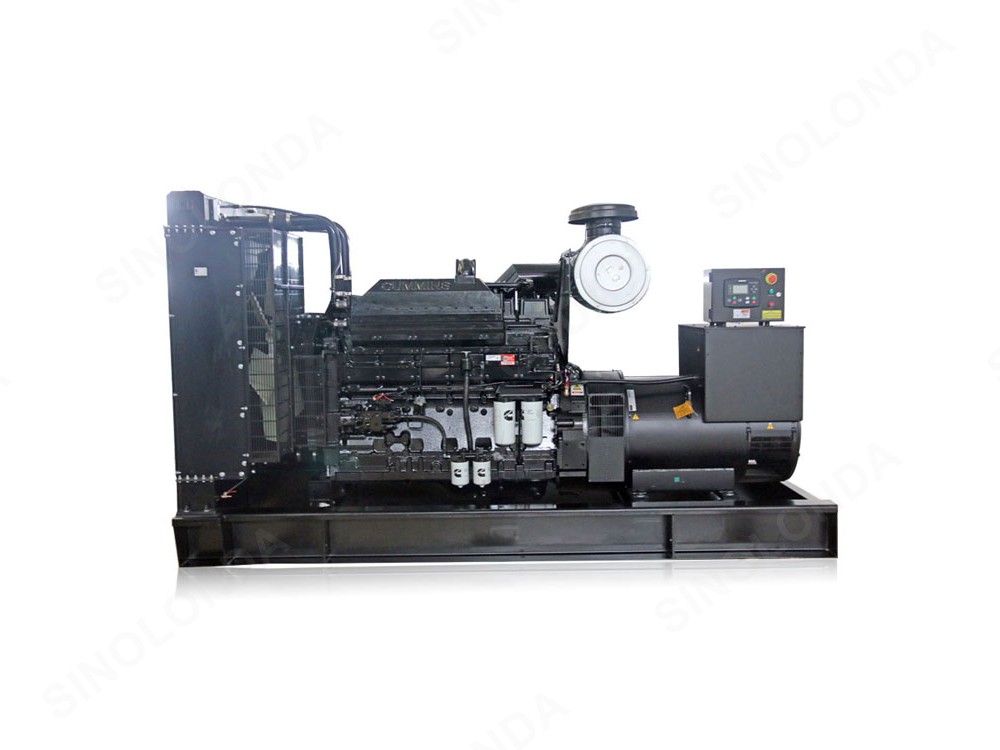
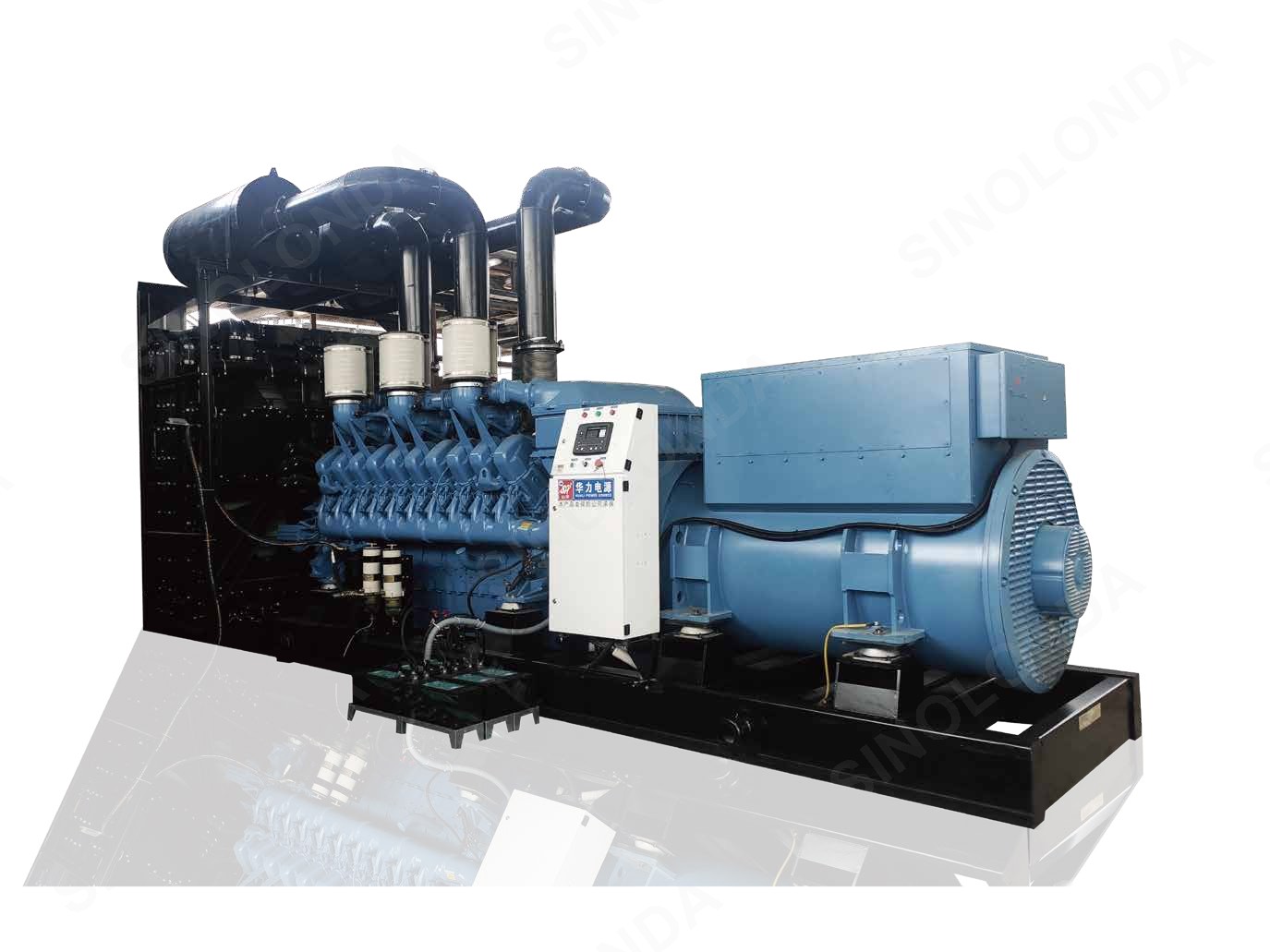
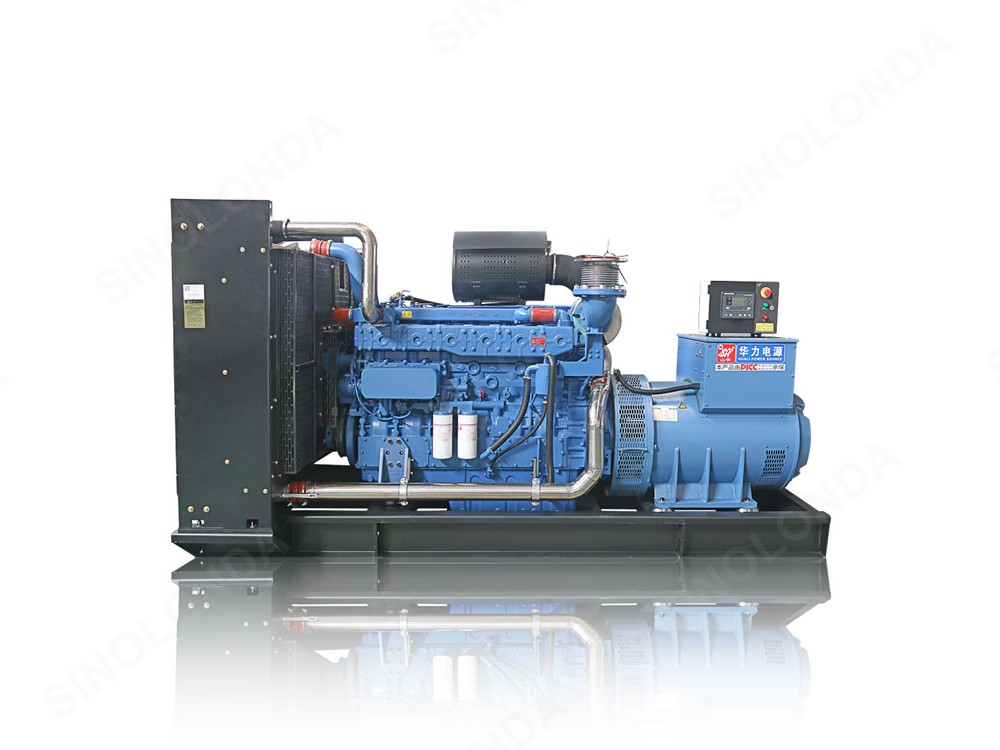
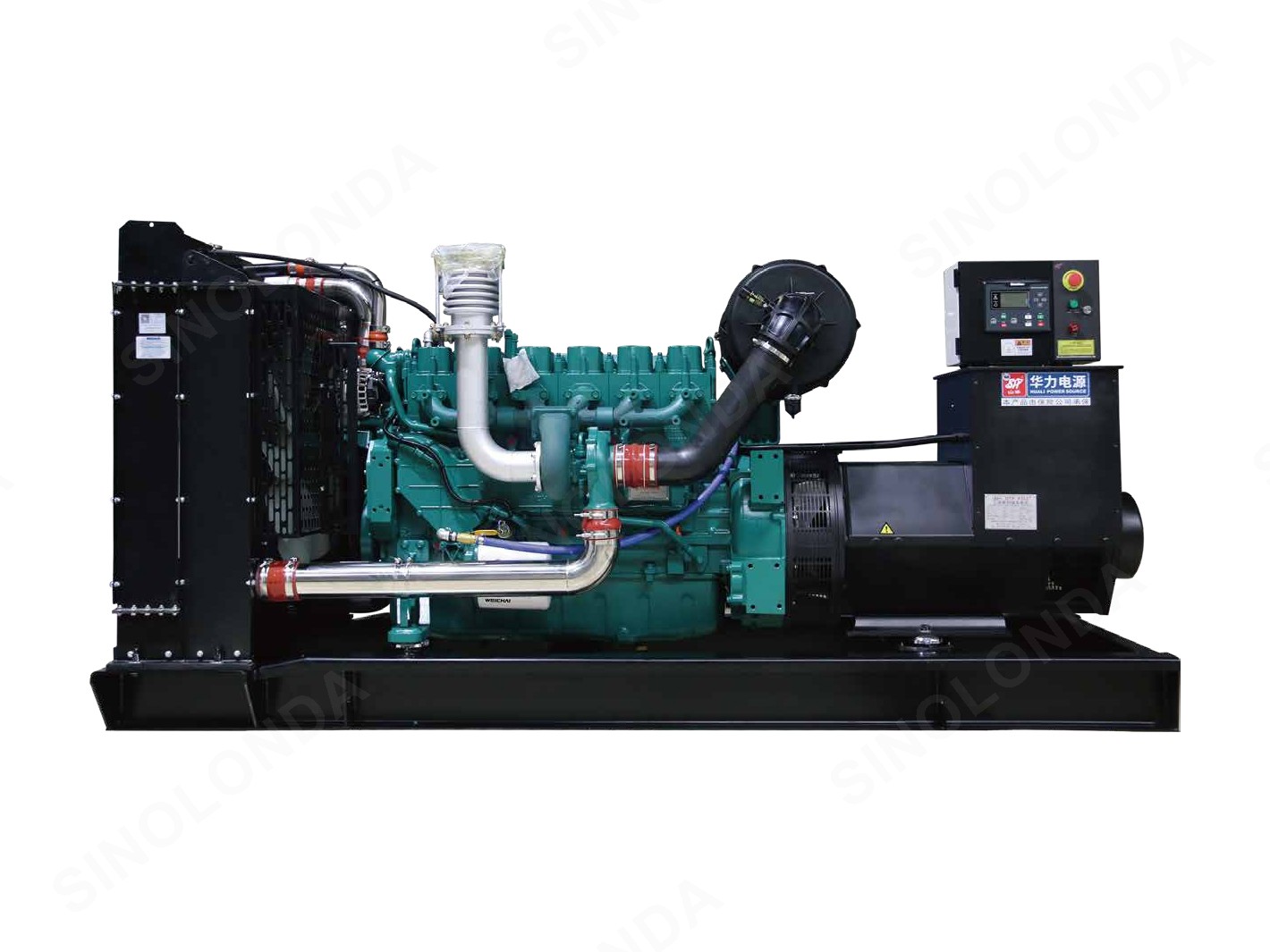
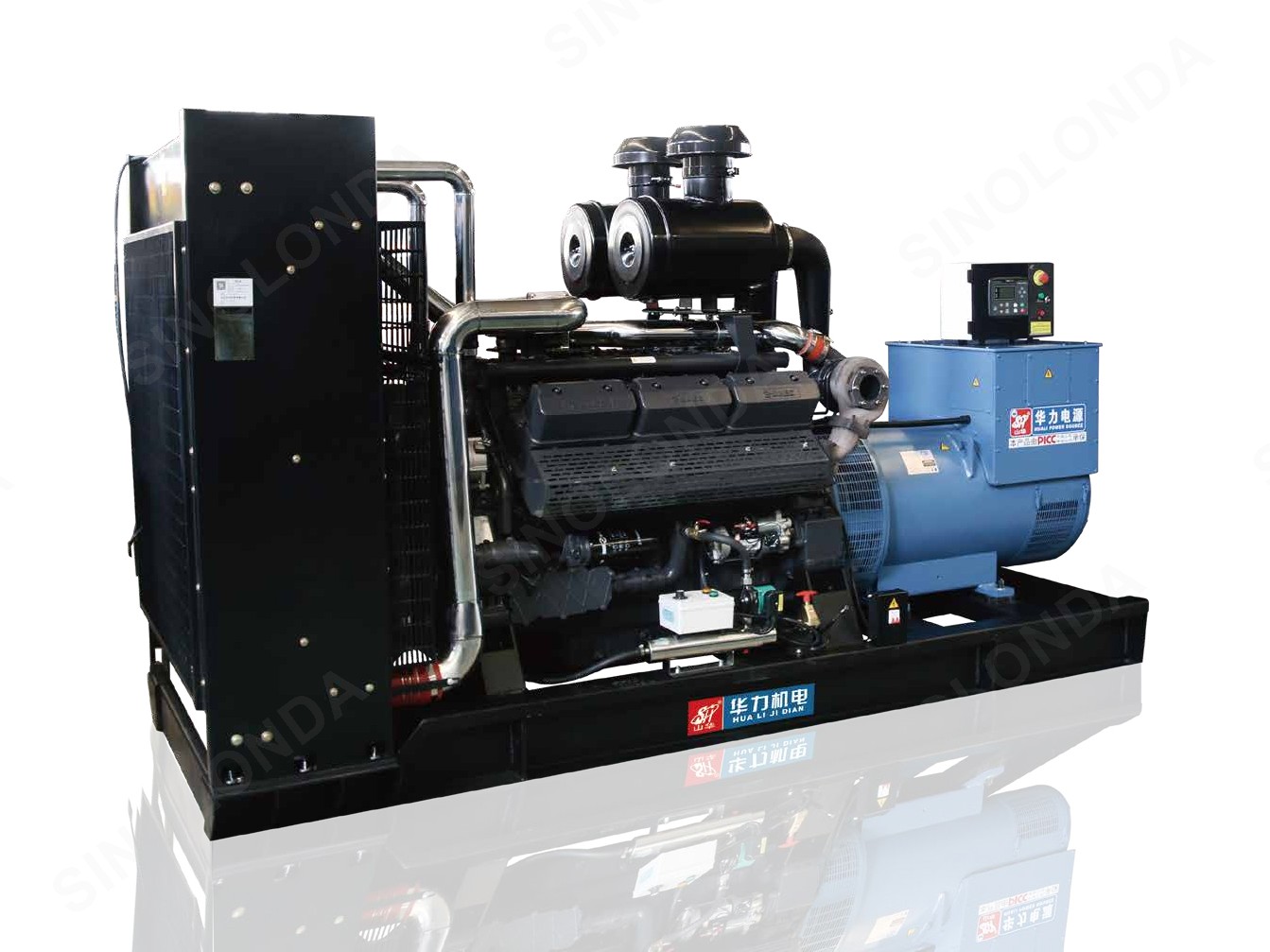
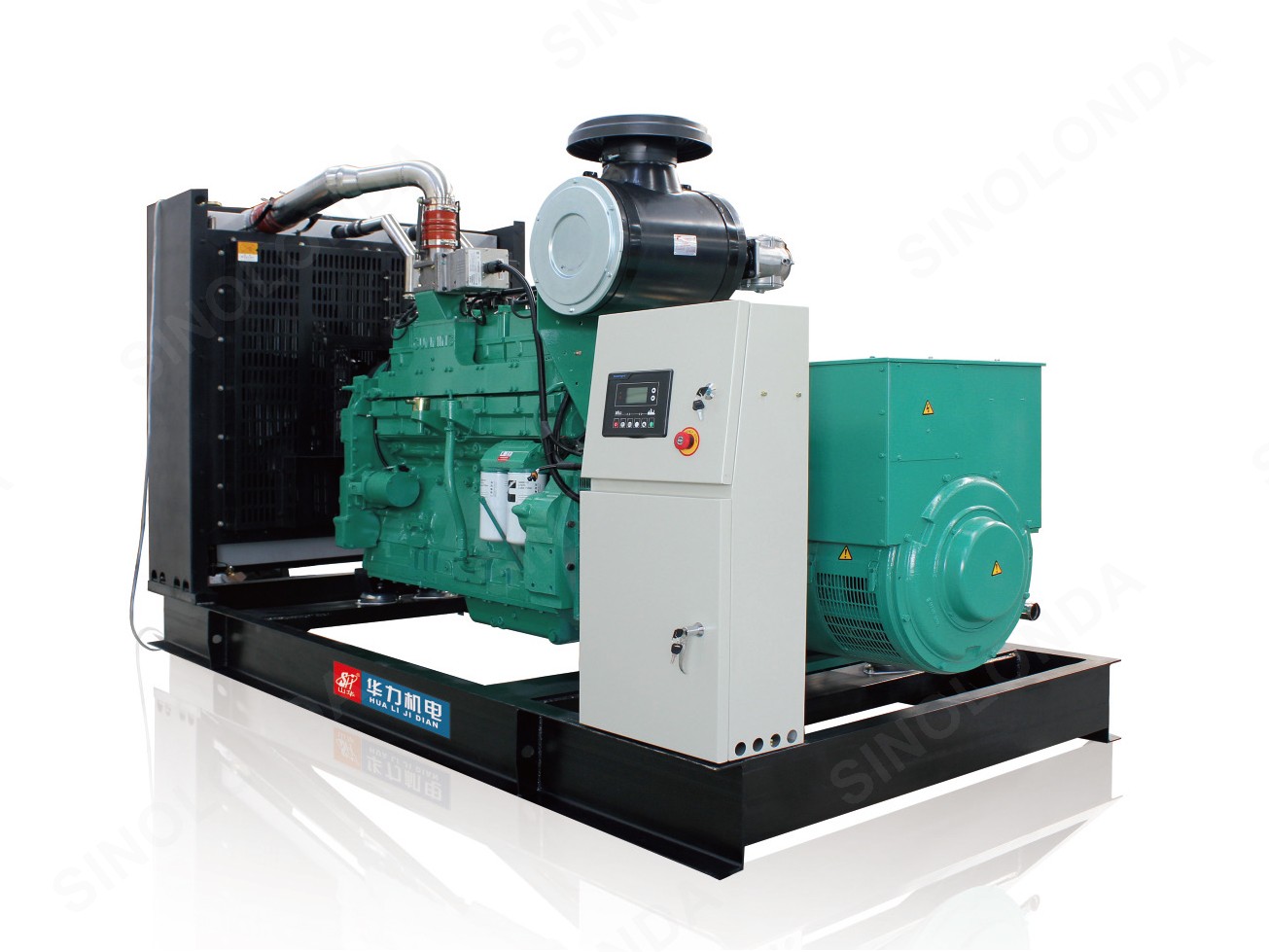
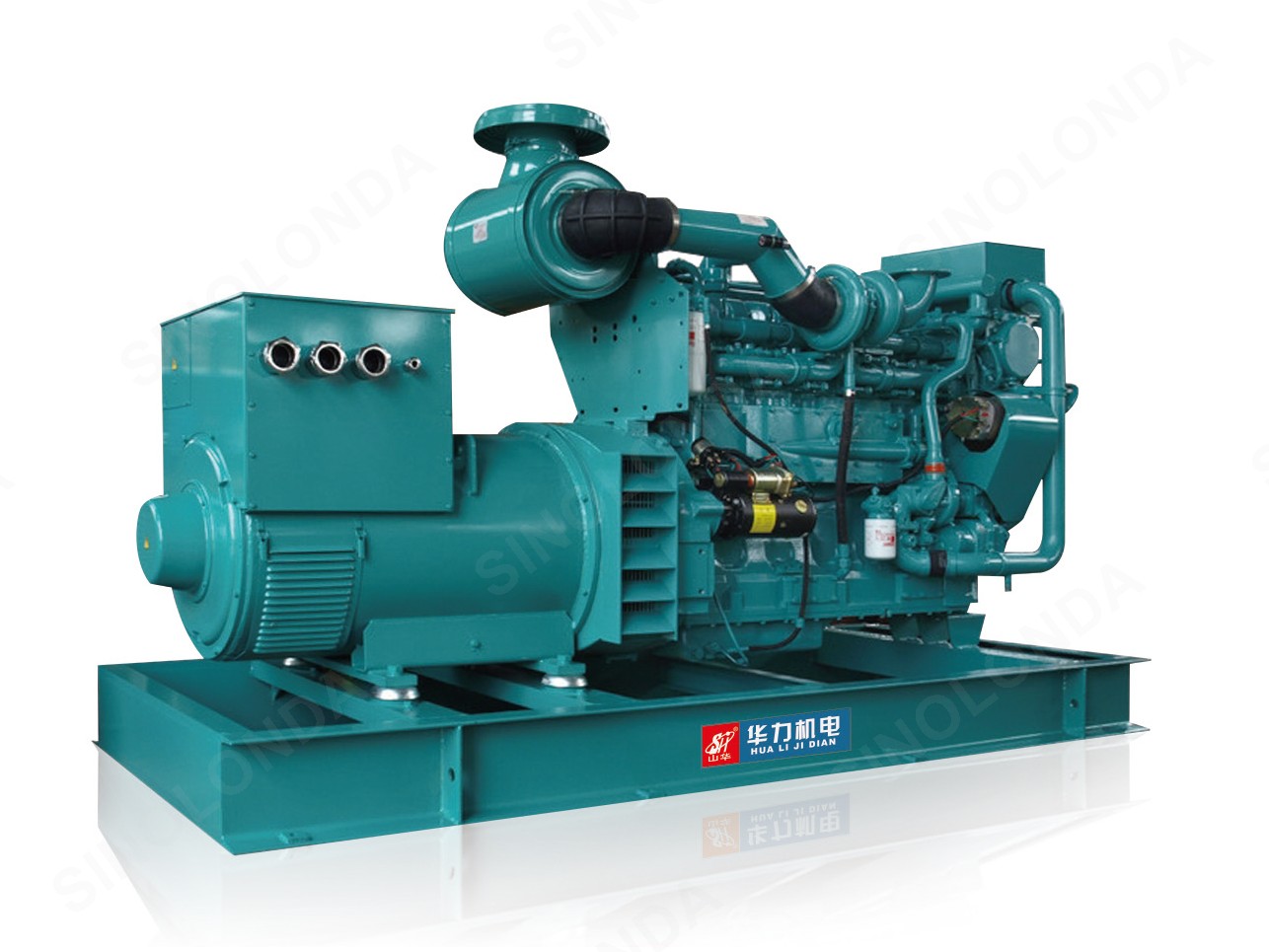
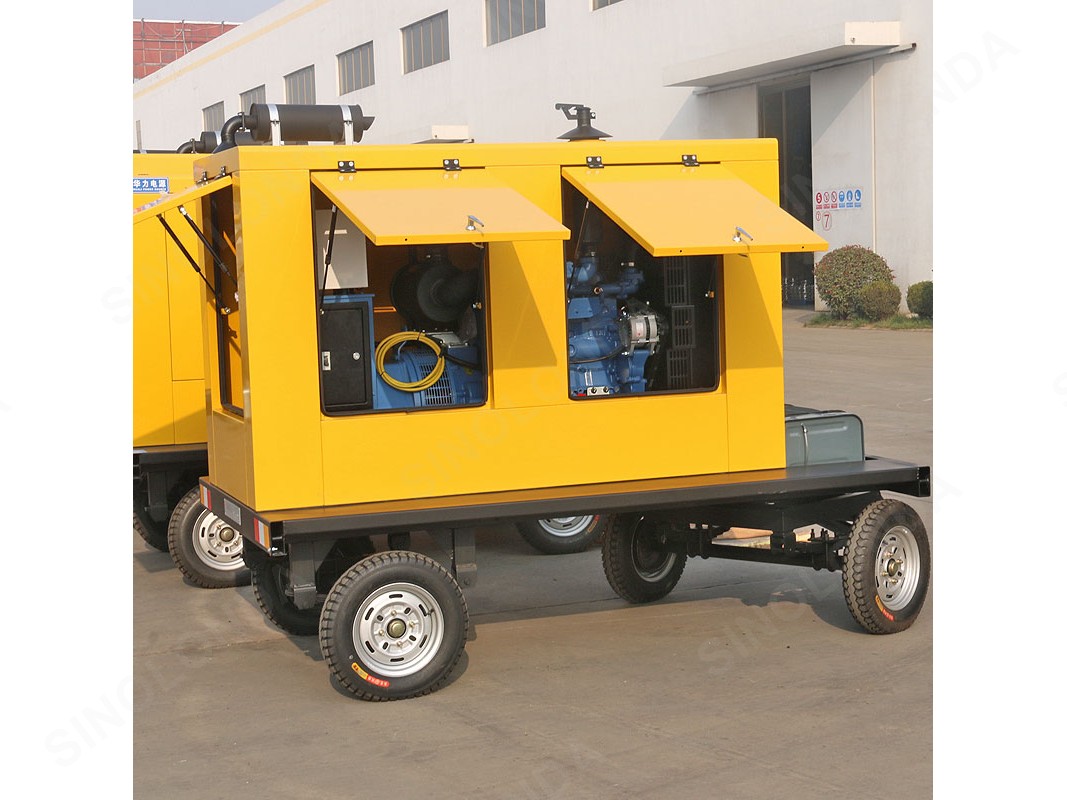
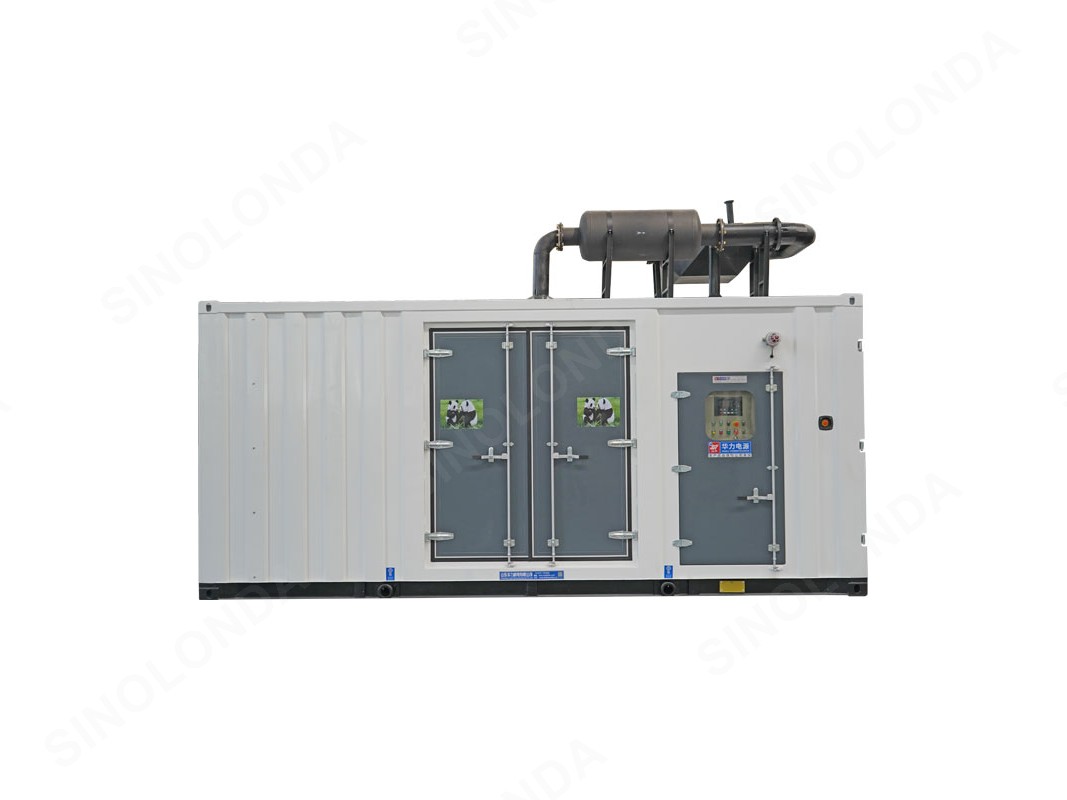
Generator Set: An Overview
Duty ratings and application logic. Generator sets are not rated as a single undifferentiated power figure. ISO 8528, the governing international standard, defines distinct duty classes that determine how a unit may be legitimately operated. Standby (Limited-Time Power) sets back up the utility and are limited to roughly 200–500 hours per year, with no sustained overload capability; hospitals, commercial buildings, and data centers rely on this class for grid-failure resilience. Prime Power sets serve as the primary source where no reliable grid exists—construction sites, mining operations, off-grid facilities, and regions with chronic supply instability—and are rated for unlimited annual hours at an average load factor of 70–85%, with a 10% overload allowance for one hour in twelve. Continuous Power sets run 24/7 at a constant load, typically at 70–80% of the standby rating, and command both the highest purchase price and the longest service life. The same physical machine may carry all three ratings, but the rating class governs governor settings, fuel calibration, and warranty coverage—a standby-rated unit cannot be reclassified as prime without voiding its warranty and accelerating wear.
Market structure. Within the industrial segment, diesel retains a commanding 73.2% share by fuel type, and the 75–750 kVA band anchors mainstream purchases at 46.9% of the market. Concentration is moderate: Caterpillar leads with roughly 10.5% share, and the top five players—including Cummins, Generac, Rolls-Royce, and Atlas Copco—collectively hold about 40%. In diesel gensets specifically, the top four producers exceed 50% of the market, with Caterpillar alone at approximately 25%. Asia-Pacific is both the largest and fastest-growing region, holding roughly 40–45% of demand.