Light Truck — An Introduction
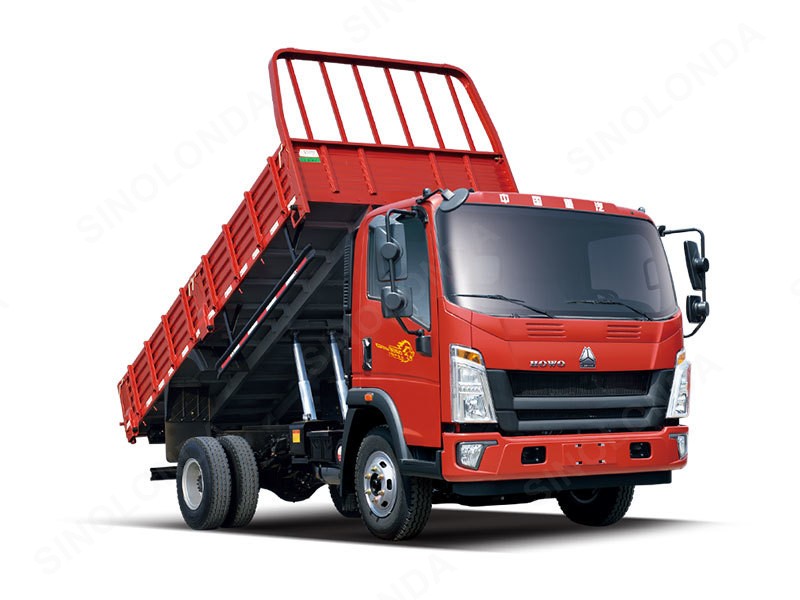
What distinguishes a light truck.Unlike heavy trucks, which are engineered around maximum payload and long-haul durability, light trucks are designed for a balance of payload, maneuverability, and everyday usability. A full-size pickup such as the Ford F-150, Chevrolet Silverado 1500, or Ram 1500 typically carries a payload in the 1,400–2,000 lb range and tows 7,000–13,000 lb depending on configuration; midsize models like the Toyota Tacoma sit lower, with payloads around 1,000–1,400 lb. This envelope makes light trucks ideal for trades, local delivery, field service, and personal utility—uses where a Class 7 or 8 tractor would be overkill and a passenger car insufficient.
Market scale and structure.The global light-duty truck market was valued at approximately USD 514.58 billion in 2025 and is projected to reach USD 1,150.31 billion by 2034, growing at a CAGR of 9.68%. North America accounted for 41.09% of global revenue in 2025, reflecting the region’s deeply entrenched pickup culture and the dominance of light trucks in both commercial and personal fleets. The sales hierarchy is telling: the Ford F-Series (including F-150 and Super Duty variants) led U.S. sales in 2025 with 801,525 units, followed by the Chevrolet Silverado at 577,434 and the Ram 1500 at 374,059; the Toyota Tacoma posted 274,638 units, a 42.4% year-over-year gain that signals the midsize segment’s resurgence.
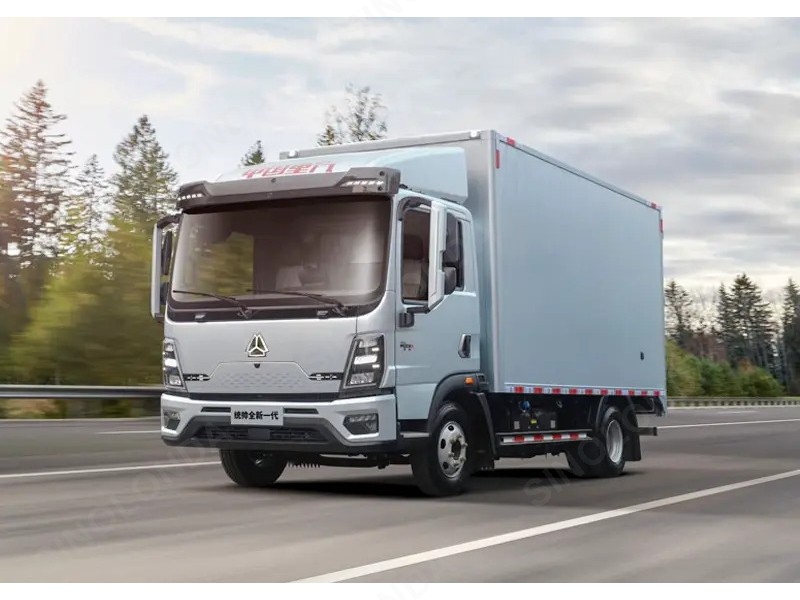
The electrification frontier.Light trucks are electrifying faster than heavy trucks, though from a smaller base and with uneven momentum. The global electric light commercial vehicle (e-LCV) market was estimated at USD 24.49 billion in 2025 and is forecast to reach USD 116.60 billion by 2032, a 25.0% CAGR. Within that, electric pickups alone represented USD 4.5 billion in 2025, with North America holding 67.33% of the global market. Policy is a primary accelerant: U.S. purchase incentives for commercial EVs reach up to USD 40,000, and Canada’s iMHZEV program offers up to USD 146,000, while stricter EPA standards for model year 2027 push fleets toward zero-emission options. The technical trajectory is equally clear—vehicle-to-load (V2L) and vehicle-to-grid (V2G) capabilities are turning electric light trucks into mobile power sources for job sites and emergency response, blurring the line between transportation asset and energy infrastructure.
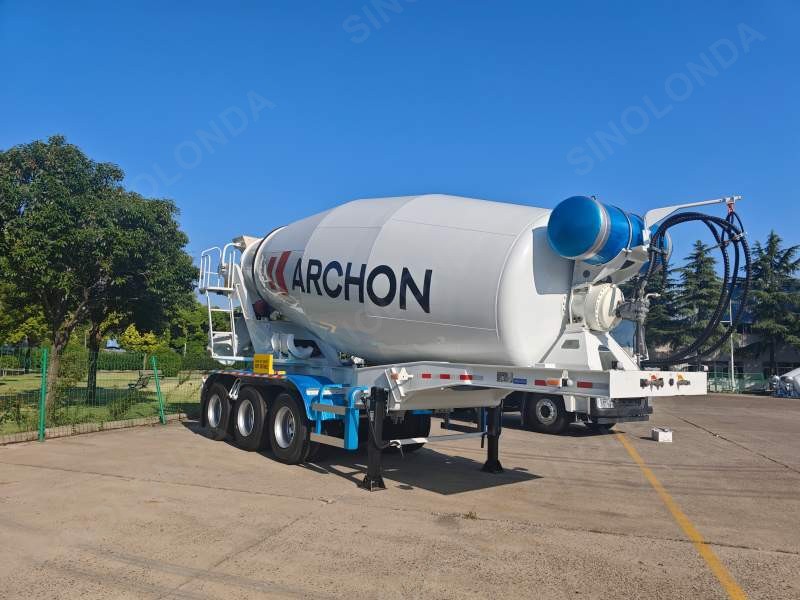
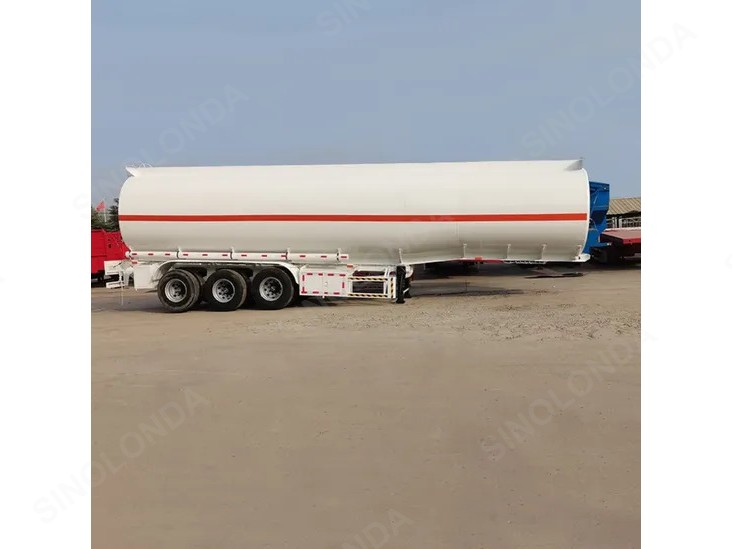
Light truck vs. heavy truck:a different job, a different machine. The distinction is not merely one of size. A heavy truck is a freight-maximization tool, built around high-displacement diesels, multi-speed transmissions, and axle configurations that prioritize gross weight and long-haul durability. A light truck is a utilization-maximization tool, optimized for accessibility, lower operating costs, and the flexibility to serve as a work vehicle, a fleet unit, or a personal vehicle on the same platform. That versatility is why light trucks consistently outsell every other commercial vehicle category—and why their electrification, connectivity, and regulatory trajectory will shape the broader logistics landscape long before heavy trucks reach parity.