Heavy Truck — An Introduction
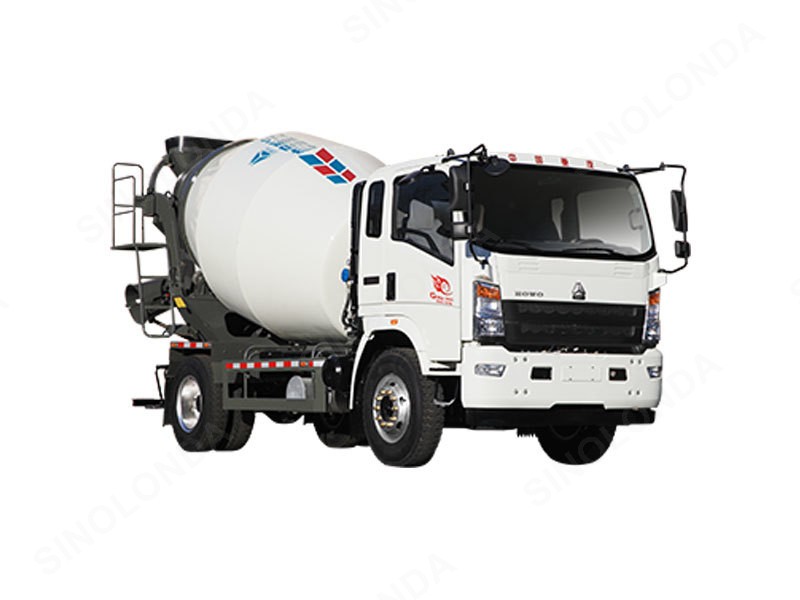
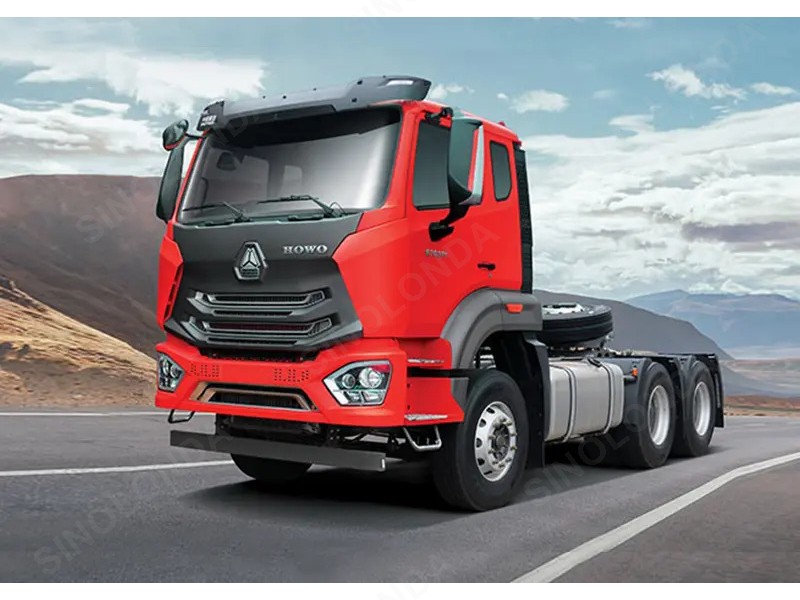
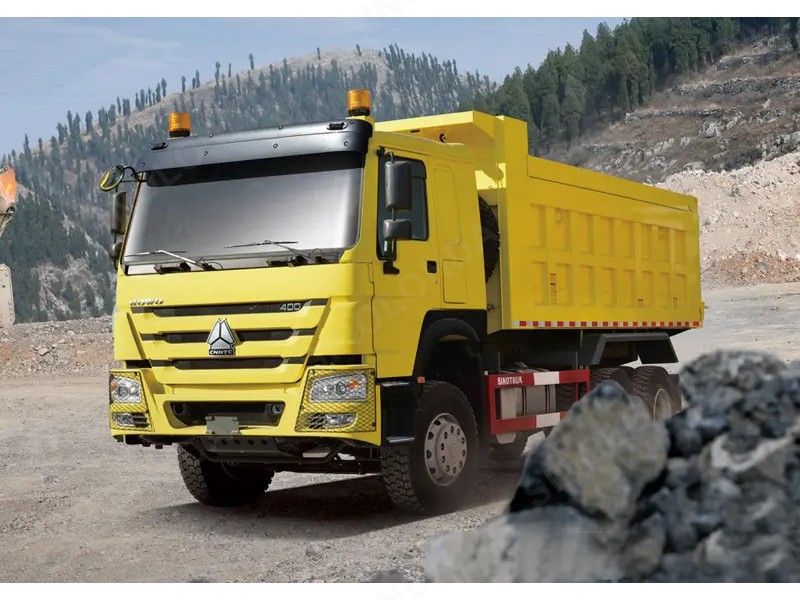
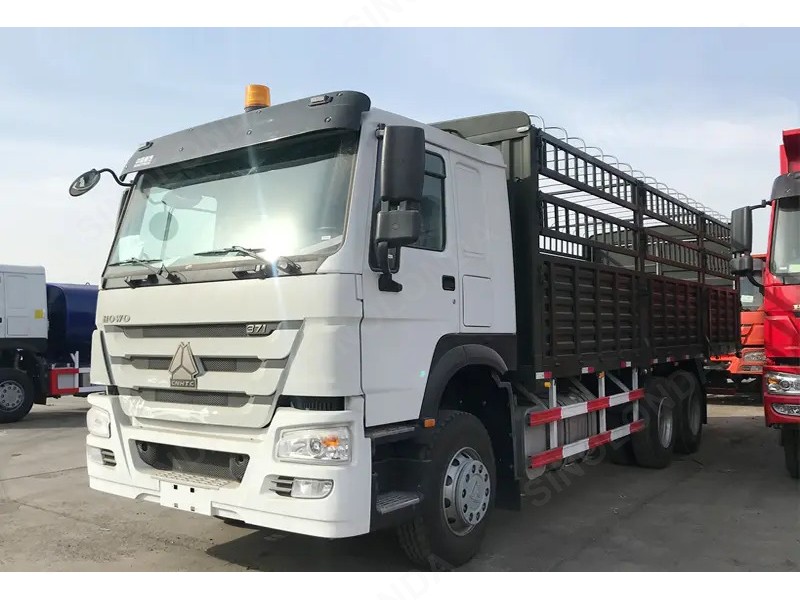
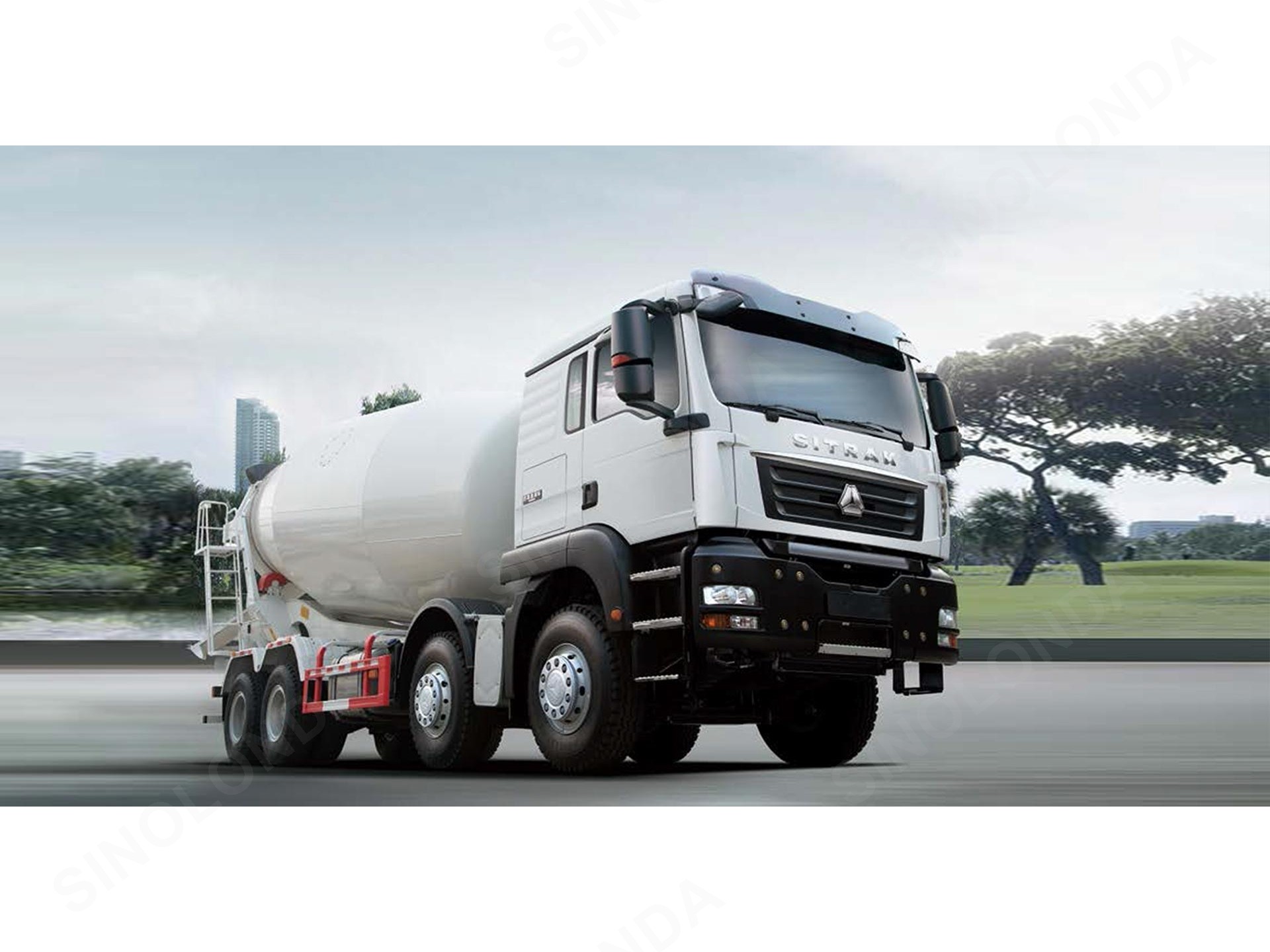
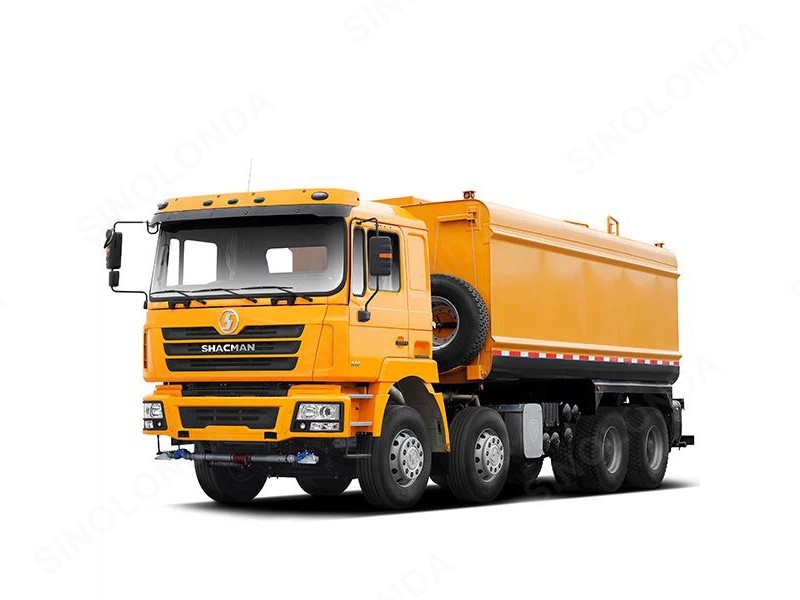
Core engineering.Heavy trucks are built around high-displacement powertrains and robust drivelines. Modern engines range from 13-liter inline-sixes to 16-liter V8s, producing torque figures from roughly 2,200 Nm to over 3,500 Nm depending on the application. Common configurations include 6×4 and 8×4 axle layouts for traction and load distribution, multi-speed automated manual transmissions, and hub-reduction axles for maximum grip under heavy loads. Aerodynamics has become a major efficiency lever: adaptive rear flaps and optimized body shapes can cut fuel consumption by 7–9% on standard duty cycles by reducing drag.
Market and brands.The competitive landscape is led by Daimler Truck (Mercedes-Benz, Freightliner), PACCAR, Sinotruk, TRATON (Scania, MAN), and Volvo Group, which together held about 32% of the global heavy-duty truck market in 2025. Daimler alone commanded over 12% share, reflecting the scale and consolidation of the sector.
The electrification shift.Heavy trucks are moving from a diesel-dominant fleet toward a mixed-propulsion future. Battery-electric heavy trucks remain a small share of global sales—about 9% in 2025—but the pace of adoption is uneven and regionally concentrated. China has emerged as the fastest-moving market: new-energy heavy trucks reached 28.9% of sales in 2025 and crossed 50% on a monthly basis in September 2026, driven by lower operating costs, battery-swapping infrastructure, and policy support. Long-haul and high-utilization routes remain diesel-dominated for now, but the direction of travel is clear: the heavy truck is transitioning from a purely mechanical workhorse into a connected, increasingly electrified logistics platform.