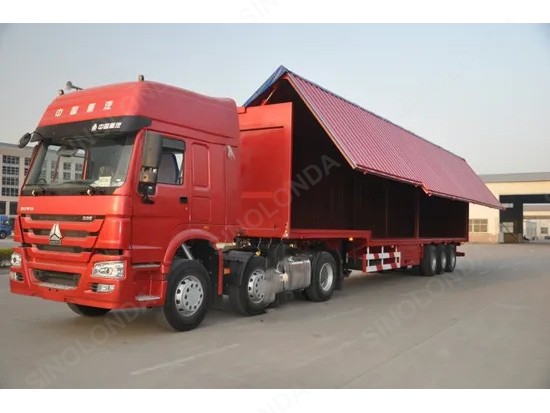
Semi-Trailer: An Overview
How it works. The defining mechanical feature is the coupling system: a kingpin on the trailer engages a fifth-wheel plate on the tractor. Through this connection, the trailer transfers a substantial share of its vertical load—and all towing forces—to the tractor, while the trailer’s own axles support only the remaining portion of the load. When uncoupled, retractable landing gear (support legs) holds the trailer upright. This single articulation point also makes a semi-trailer easier to reverse than a full trailer with its own front axle.
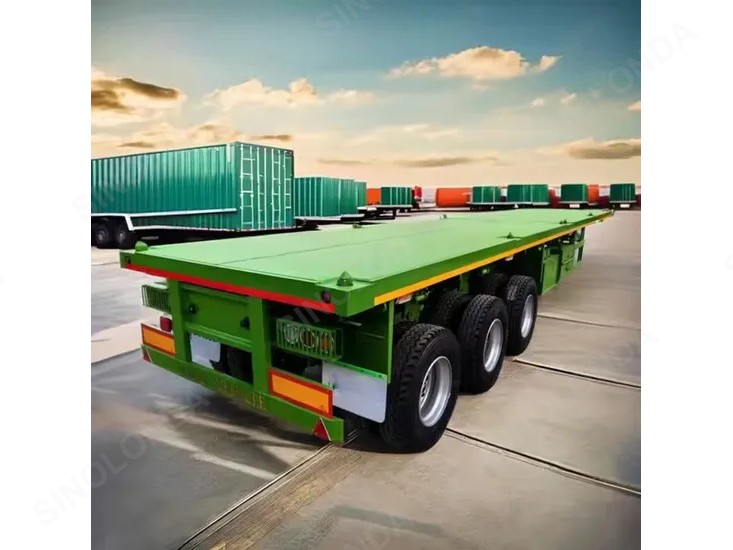
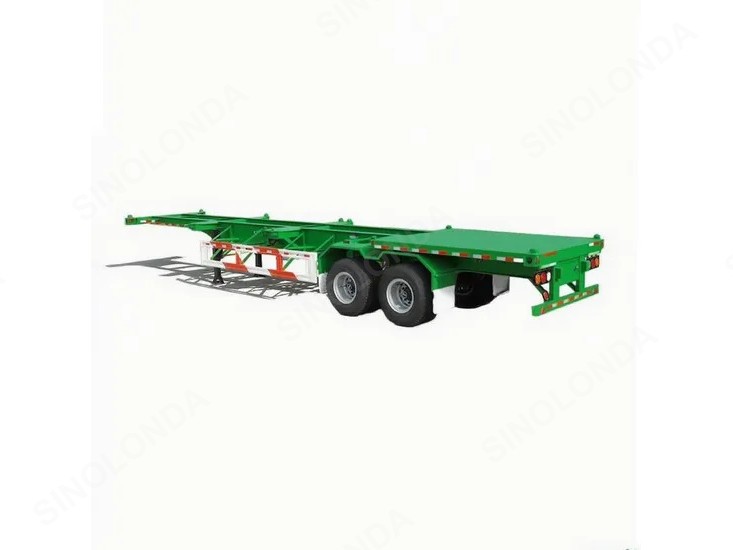
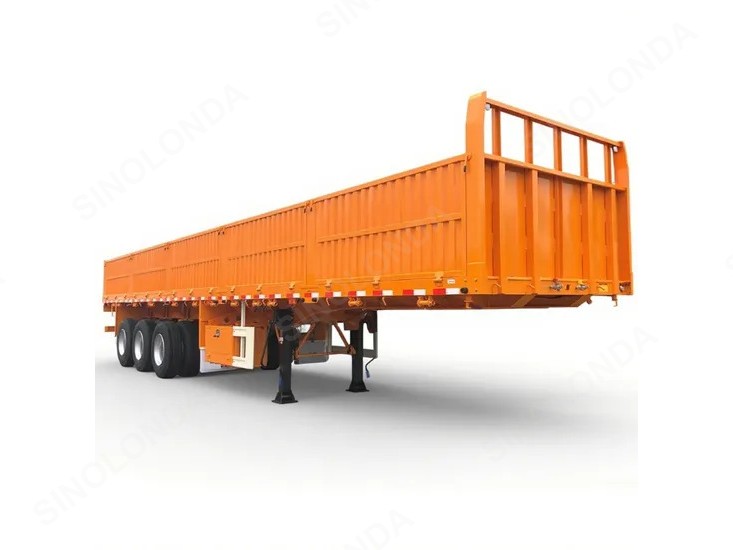
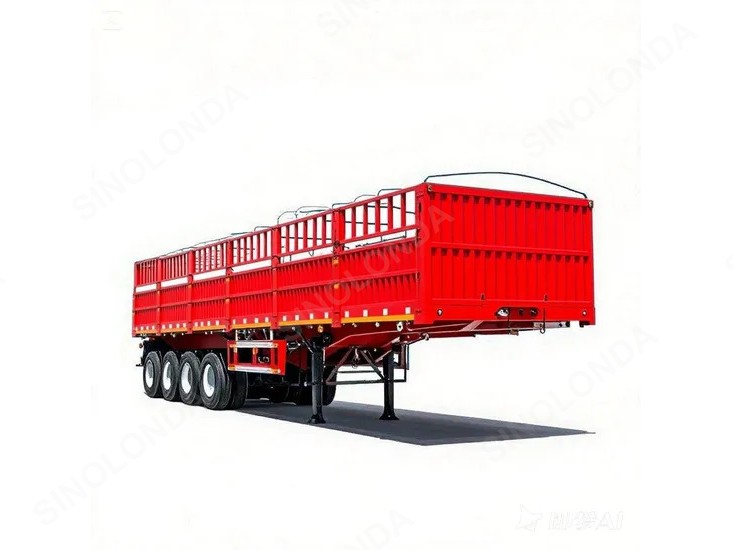
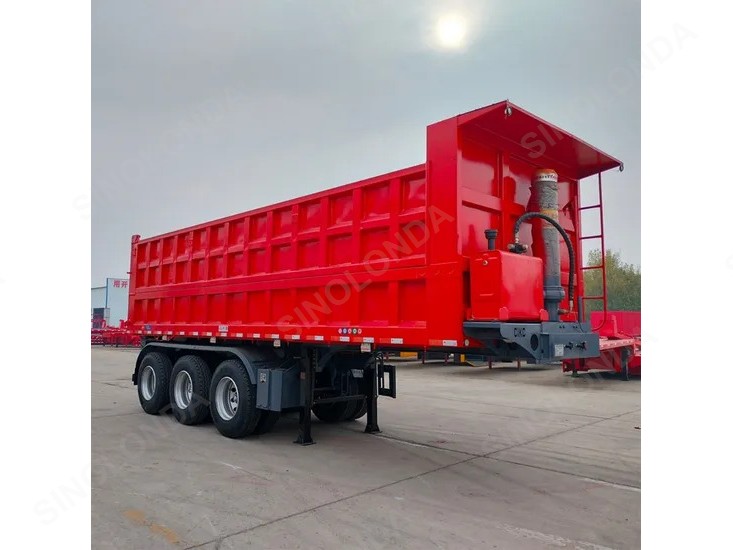
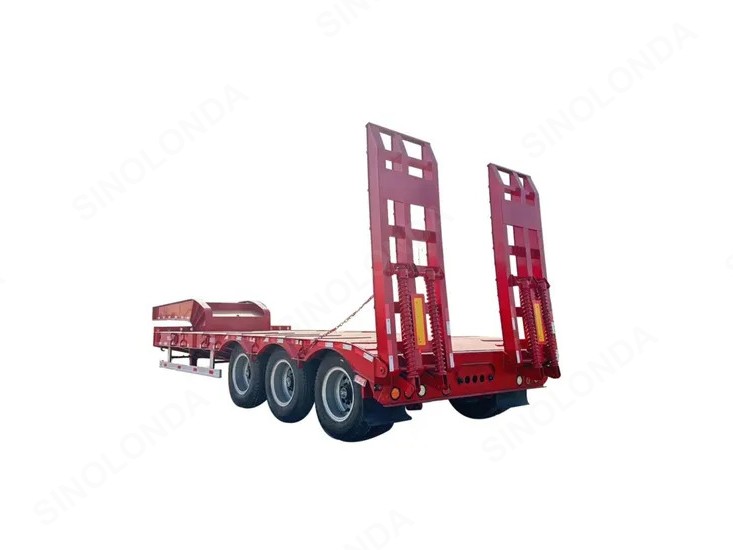
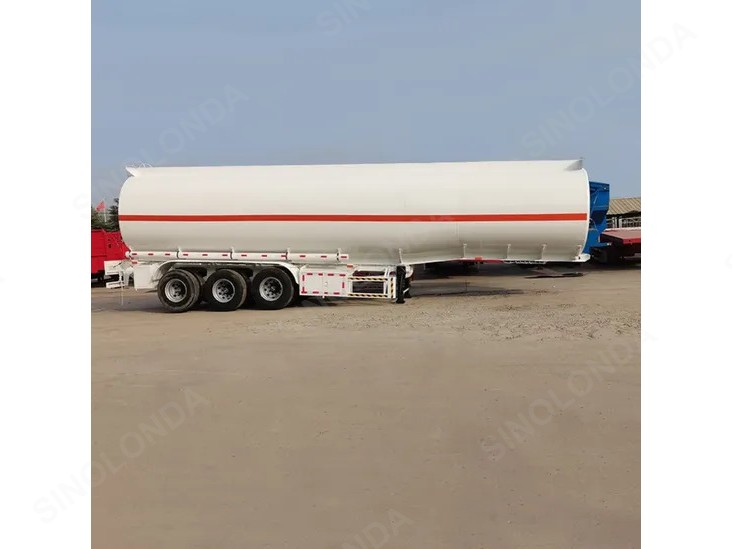
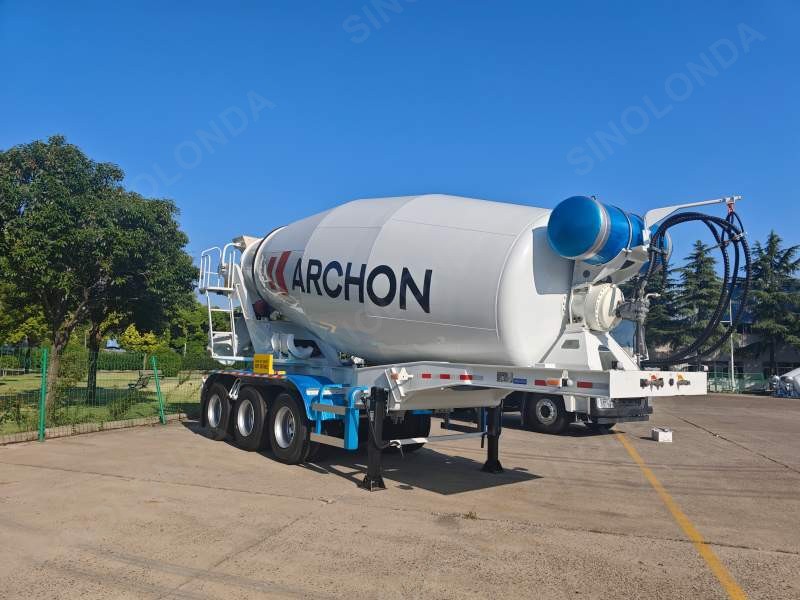
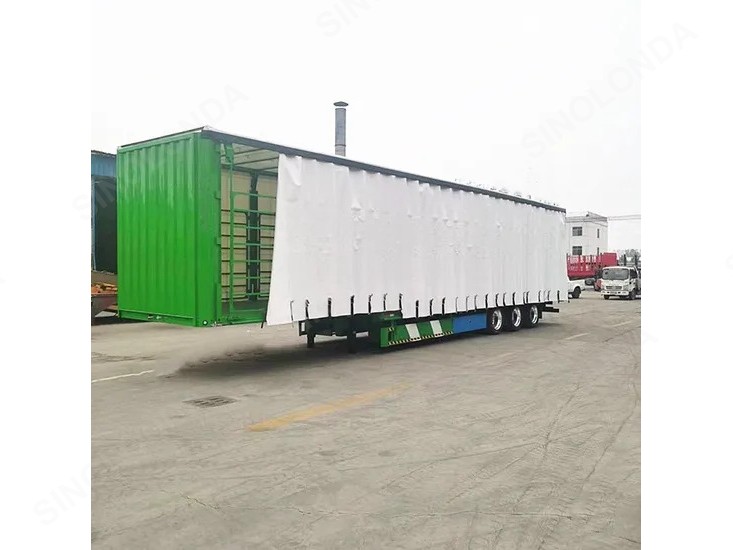
Common types. Semi-trailers are highly specialized by cargo. Major categories include dry vans (enclosed, weather-protected general freight), refrigerated trailers or reefers (temperature-controlled goods), flatbeds (oversized or irregular loads), curtainsiders (side-access palletized freight), tankers (liquids or dry bulk), tippers (bulk materials), low-loaders (tall or heavy machinery), and skeletal container chassis (ISO containers).
Operational significance. The semi-trailer format dominates long-haul road freight largely because of fleet flexibility: a tractor can drop one loaded trailer and hook up to another, allowing trailers to be loaded, unloaded, or staged while the powered unit keeps moving. This “drop-and-hook” capability is central to modern logistics networks. The global semi-trailer market was estimated at roughly USD 32–35 billion in 2025, with continued growth driven by long-haul freight demand, cold-chain expansion, and trailer telematics.